


Selecting Reliable Diesel Power for Continuous Energy Demands
Severe weather events and sudden grid failures quickly expose the limits of light-duty backup equipment. When critical appliances need steady electricity for days, fuel stability and engine endurance determine how well your backup system performs. Diesel motors have long served as the backbone for heavy-duty power generation because of their robust torque and fuel efficiency. Searching for the best small water cooled diesel generator often leads buyers to compact horizontal and vertical shaft engines, ranging from 3HP up to 10HP, alongside vital liquid-cooled replacement hardware. Proper thermal regulation protects internal cylinder components from premature wear, ensuring your custom generator assembly delivers dependable continuous wattage during extended power cuts.
Careful analysis of product specifications shows that matching engine displacement with continuous electrical load prevents dangerous overheating and bogging under surge demands. Single-cylinder diesel power plants feature direct injection systems designed to burn fuel cleanly while reducing operational costs. If you are mounting an auxiliary motor to a dedicated generator platform for RV setups or assembling a permanent off-grid standby plant, mechanical layout matters just as much as horsepower. Adding a responsive generator idle control solenoid can also regulate engine speed as electrical loads cycle on and off. Paying close attention to crankshaft dimensions, mounting footprints, and proper heat dissipation keeps your power setup running smoothly when the utility grid drops.

Pros
- Delivers 10 HP (6.3 kW) of continuous mechanical drive power at a standard 3600 RPM
- Low fuel consumption rating reduces ongoing operating costs compared to similar gasoline engines
- Sturdy aluminum and iron construction built for durability in harsh outdoor environments
- Effective air cooling system maintains safe operating temperatures under sustained loads
Cons
- Functions strictly as a bare replacement engine and lacks an alternator, outlets, or power electronics
- Relies entirely on a manual recoil pull-starter with no electric-start backup
- Requires mechanical and electrical knowledge to properly mount, align, and couple to a generator head
The Serendicy 10HP 6.3KW diesel engine is an industrial-grade replacement motor engineered specifically as a prime mover for heavy equipment. It is important to distinguish that this unit is a standalone internal combustion motor rather than a complete, turnkey portable generator. It does not feature electrical outlets, an alternator, or control panels on its own. Instead, it is designed for DIY builders, rural landowners, equipment mechanics, and contractors who need a durable, fuel-efficient diesel power source to repower an existing generator head, high-volume water pump, or agricultural machine.
Mechanical performance centers on a robust 4-stroke design delivering 10 horsepower, equivalent to 6.3 kW of mechanical output at 3600 RPM. This 3600 RPM operational speed is critical for electrical generator applications in the United States, as it matches the standard rotational velocity required by two-pole alternators to generate standard 60 Hz AC electrical frequency. The engine combustion chamber is engineered for high thermal efficiency, with a listed fuel consumption rate of 280g/kW-h or less. This fuel economy provides lower operating costs during extended utility runs compared to conventional gasoline utility engines.
Durability is supported by a structural combination of cast iron and high-grade aluminum. This hybrid metal construction provides the physical rigidity necessary to endure heavy mechanical vibration while providing solid resistance against corrosion and outdoor weathering. Heat management relies on an integrated 4-stroke forced-air cooling system. A series of strategically placed cooling holes and internal airflow paths draw cool air across the cylinder block, keeping internal temperatures within stable operating thresholds during prolonged, continuous workloads on jobsites or homesteads.
Installation and daily operation require standard mechanical competency. Measuring 16.4 x 17.4 x 19.4 inches, the engine features a compact footprint that fits onto standard utility equipment mounting beds. Starting is handled manually via an integrated recoil pull starter, removing the weight, cost, and maintenance requirements of a 12-volt starter battery. Because this is an internal combustion diesel motor, it produces toxic exhaust gases including carbon monoxide. It must always be installed and run outdoors in well-ventilated areas, positioned far away from occupied dwellings, open windows, and building air intakes.
The primary limitations of this product relate to its scope and starting method. Because it is sold strictly as a small industrial motor, buyers seeking an out-of-the-box emergency home backup solution will need to supply their own generator alternator head, transfer switch wiring, fuel supply connections, and electrical receptacles. Additionally, recoil starting a 10 HP high-compression diesel motor requires noticeable physical effort, meaning users who prefer push-button or remote starting will need to look for an electric-start model.
Overall, the Serendicy 10HP diesel engine represents a practical, cost-effective solution for experienced equipment owners rebuilding or custom-building power equipment. If you have an existing generator with a blown engine or require a reliable 3600 RPM diesel drive for pumps and machinery, this engine provides the necessary mechanical power and low fuel consumption to keep your equipment working.
When pairing the Serendicy 10HP engine with a generator alternator head, understanding the relationship between mechanical power and electrical output is essential. The engine produces 6.3 kW of mechanical power at 3600 RPM. Due to inevitable thermal and mechanical losses in belt drives, direct couplings, and alternator windings, the usable electrical output will be lower than the raw engine horsepower. A 10 HP motor typically supports an electrical generator head producing approximately 4,500 to 5,500 continuous running watts, depending on alternator efficiency.
The 3600 RPM operating speed makes this engine an exact match for standard two-pole AC alternator heads commonly used across North America. To deliver a clean 60 Hz electrical output, two-pole generator heads must spin at precisely 3600 RPM. Buyers should ensure their throttle governors and mounting couplings maintain this target rotational speed under load to prevent electrical frequency fluctuations that could damage connected equipment.
Safe installation of this diesel engine requires careful attention to alignment, ventilation, and exhaust routing. The engine should be securely bolted to a rigid, vibration-damping steel frame or mounting base to prevent misalignment with the driven shaft. Misalignment can cause rapid bearing wear, excessive vibration, and premature coupling failure. Always verify that drive pulleys or direct-drive shaft couplers are rated for the 10 HP mechanical load and 3600 RPM rotational speed.
Like all diesel power units, this engine discharges hazardous carbon monoxide and particulate emissions during operation. Never run this engine inside a home, garage, basement, barn, workshop, or enclosed utility shed, even if doors and windows remain open. When installed on a stationary generator or pump skid, ensure the exhaust points away from any nearby structures and that refueling is only conducted when the engine is completely shut down and cool to touch.

Pros
- Economical diesel fuel consumption and extended service life compared to similarly sized gasoline small engines
- Common 20mm keyed horizontal shaft simplifies matching with aftermarket pulleys, centrifugal clutches, and generator head couplings
- Self-contained design with integrated 3L fuel tank requires no external fuel pump or remote reservoir for standard setups
- Heavy-duty alloy engine block and forced air cooling design provide reliable heat dissipation for stationary machinery
Cons
- Requires a separate generator head, pulleys, or mounting hardware to produce household electricity, as this unit is an engine only
- Recoil pull-start only with no integrated 12-volt electric starter motor, requiring manual effort to overcome diesel compression
- Operates at a rated 3000 RPM, which requires specific pulley sizing or speed governing when driving 60Hz AC generator alternators designed for 3600 RPM
The JAYEUW 196cc 3HP Horizontal Shaft Diesel Engine is a standalone 4-stroke replacement utility motor built for equipment repowering and custom machinery builds. Unlike fully assembled portable generators that produce finished household electricity out of the box, this unit serves as the mechanical prime mover. It is engineered specifically for DIY mechanics, rural property owners, small-acreage farmers, and utility operators who need to replace a fatigued small gas motor on a water pump, wood splitter, or custom belt-driven generator rig with a more fuel-efficient diesel alternative.
Mechanical performance centers on a 196cc single-cylinder displacement featuring a 68mm bore and 54mm stroke. The manufacturer rates this engine for a maximum mechanical output of 2.2 kW (approximately 3 horsepower) at 3000 RPM. For power-generation applications, buyers must recognize that coupling this motor to an AC alternator head requires careful RPM and pulley ratio planning. Standard North American household electricity relies on a 60Hz frequency, which typically requires a 2-pole generator head to turn at 3600 RPM or a 4-pole head to turn at 1800 RPM. Because this engine is rated at 3000 RPM, achieving accurate electrical frequency demands an appropriately calculated belt-and-pulley step-up or step-down drive rather than a direct 1:1 shaft coupler.
The build configuration features a thickened alloy crankcase paired with a forced air cooling system. Cooling air is directed across the finned cylinder block to manage internal heat, helping to protect engine oil viscosity and extend internal component longevity during extended runs. The drive interface consists of a horizontal flat key shaft measuring 20mm (0.787 inches) in diameter and 53mm (2.09 inches) in length, which matches common metric utility pulleys, sprockets, and industrial couplings. Fuel delivery relies on a self-injection system designed to provide consistent diesel atomization, minimizing unburnt fuel and smoke compared to older mechanical injection layouts.
Installation and daily handling remain straightforward due to the engine's compact footprint. Weighing 47 pounds and measuring 15.55 x 12.01 x 14.21 inches, the unit can be maneuvered into equipment frames without requiring heavy hoist machinery. The motor includes an onboard 3-liter (0.79 gallon) seam-welded steel diesel tank and a 0.7-liter crankcase oil capacity. Starting is strictly manual via a heavy-duty recoil pull-rope. Pulling through the compression stroke of a diesel engine requires firm, consistent technique, making proper valve decompression and steady lever engagement helpful practices for smooth cold starts.
The most important limitation of this product is that it does not provide electric power receptacles, voltage regulation, or circuit breakers on its own. It is strictly a mechanical drive unit. Operating any diesel engine also produces hazardous exhaust emissions, including carbon monoxide and particulates, meaning this engine must only be operated outdoors in open spaces well away from home windows, doors, vents, and enclosed structures. Additionally, the lack of a 12V electric start system may challenge users who prefer turnkey ignition switch convenience over manual recoil starting.
For equipment fabricators, farmers, and self-reliant property owners looking to repower small machinery with an efficient, horizontal-shaft diesel engine, the JAYEUW 196cc motor represents an accessible utility option. Buyers planning a custom emergency backup power build should verify their generator head RPM requirements, pulley ratios, and shaft diameter compatibility prior to installation to ensure stable electrical frequency and safe power delivery.
Careful measurement verification is critical when matching replacement engines to existing equipment frames or generator alternators. The JAYEUW 196cc diesel motor features an industry-standard horizontal drive orientation with a 20mm (0.787-inch) cylindrical shaft and a machined flat keyway. The usable shaft extension length is 53mm (2.09 inches), providing adequate surface area for mounting single- or dual-groove V-belt pulleys, centrifugal clutches, or flexible shaft couplings commonly used in utility setups.
Fuel system maintenance on small diesel engines differs notably from standard gasoline equipment. The integrated 3-liter fuel reservoir uses gravity and direct injection, requiring clean, sediment-free diesel fuel to prevent injector fouling. When installing the engine or after running the fuel tank completely dry, users should inspect and bleed the fuel supply line to clear trapped air, ensuring the direct injection nozzle primes smoothly on the first recoil pull.
Crankcase lubrication requires exactly 0.7 liters of suitable diesel-rated engine oil. Unlike gasoline motors that operate at lower compression ratios, small diesel power plants produce soot and elevated combustion chamber pressures that necessitate dedicated heavy-duty diesel oil formulations. Maintaining clean oil levels is essential for protecting the alloy cylinder bore, main bearings, and horizontal crankshaft during sustained stationary utility tasks.

Pros
- Generates up to 6.3 kW at 3,600 RPM, providing ideal rotational speed for direct-coupling standard 2-pole generator heads
- Single-valve direct fuel injection design maximizes diesel fuel efficiency and torque delivery under heavy mechanical loads
- 1.45-gallon fuel tank supports long operating intervals without constant refueling stops
- Durable die-cast aluminum and iron housing offers dependable structural rigidity for demanding jobsite or farm use
Cons
- Relies strictly on manual recoil pull-starting, requiring physical effort without the assistance of an electric start motor
- Operates strictly as a bare drive motor, meaning buyers must supply and align their own generator head, belt system, or equipment coupling
- Produces noticeable diesel engine vibration and exhaust noise compared to fully enclosed gasoline inverter generators
The LXYIUTRW 10 HP small diesel engine is a single-cylinder, four-stroke replacement power unit designed for heavy-duty agricultural equipment, utility pumps, and custom generator sets. It is important for buyers to understand that this unit is a standalone mechanical prime mover rather than a finished electrical generator. It does not feature built-in 120V or 240V household outlets or an onboard electrical alternator. Instead, it is specifically engineered for homesteaders, fabricators, off-grid DIYers, and small-equipment mechanics who need a robust diesel power source to repower existing machinery or drive an independent electrical generator head.
Mechanical performance centers around a listed maximum power output of up to 6.3 kW operating at speeds reaching 3,600 RPM. In electrical power generation setups, 3,600 RPM is the standard operating frequency for common two-pole, 60 Hz generator heads, making this motor well-suited for direct-drive or belt-reduction electrical assemblies. The motor incorporates a single-valve direct fuel injection system that optimizes fuel utilization, delivering strong low-end torque while burning less fuel per hour than comparable small gasoline engines. Its top-mounted fuel tank holds 1.45 gallons of diesel fuel, supporting long, uninterrupted work periods during irrigation pumping, land tilling, or off-grid power generation.
The build quality reflects demanding farm and field use, featuring a hybrid construction of heavy-duty iron, aluminum, and precision die-cast aluminum components. A protective spray-molded finish coats the exterior surfaces to guard against moisture, dirt, and jobsite corrosion. Thermal regulation is managed through a forced air-cooling mechanism paired with dense cooling perforations across the casing, maintaining safe internal operating temperatures and reducing the likelihood of thermal shutdown. A high-efficiency air filter protects the intake against airborne grit, which is especially beneficial when running the unit in dry tilling fields or dusty outdoor work areas.
Operating the engine is straightforward but physical, utilizing a heavy-duty manual recoil hand-start mechanism. Users can set and adjust engine speeds using an ergonomic control knob, and a dedicated throttle cable mounting bracket is built onto the frame for convenient connection to remote linkages or foot pedals. Measuring approximately 16.93 x 16.14 x 19.29 inches, the unit fits cleanly into standard equipment engine bays. Because this internal combustion diesel engine discharges carbon monoxide and diesel exhaust particulates, it must always be operated strictly outdoors in open, well-ventilated spaces, positioned safely away from living areas, open windows, and ventilation intakes.
The main limitation of this unit is the absence of an electric starter. Pull-starting a high-compression single-cylinder diesel motor requires proper technique and noticeable upper-body strength. Additionally, prospective buyers looking for plug-and-play emergency backup power should note that turning this engine into a functional generator requires separate sourcing of a generator head, voltage regulator, mounting plate, and proper wiring connections. It also produces typical single-cylinder diesel clatter, demanding sound isolation or distance from dwellings if used for quiet applications.
For experienced DIYers, farmers, and mechanics, the LXYIUTRW 10 HP engine delivers high mechanical value at an accessible price point. If your objective is to build a reliable diesel generator rig, repower an irrigation pump, or replace a tired walk-behind tractor engine, this compact four-stroke motor provides the requisite 3,600 RPM power band and durable construction needed for rigorous field duty.
Using the LXYIUTRW 10 HP diesel engine to power a generator head requires careful planning regarding shaft speed, mechanical alignment, and continuous power budgeting. Because the engine is rated for up to 3,600 RPM, it is tailored for direct coupling to standard 2-pole generator heads designed for 60 Hz electrical output, eliminating the need for complex gear reduction or pulley ratio calculations.
When calculating electrical capacity, remember that mechanical horsepower does not convert to electrical wattage with 100 percent efficiency. As a practical planning rule, one mechanical horsepower produces roughly 500 to 600 continuous electrical watts after accounting for alternator heat losses and mechanical friction. This engine's 6.3 kW shaft output typically pairs effectively with a 4,000 to 5,000-watt continuous generator head, leaving sufficient torque reserve to handle brief motor-starting surge demands from pumps, compressors, or power tools.
Proper mounting is essential to long-term reliability. Diesel engines produce significant firing pulses and mechanical vibration. The motor should always be bolted to a rigid steel frame using vibration-damping motor mounts. Ensure that the drive shaft and alternator shaft are precisely aligned to prevent bearing failure, and verify that all fuel lines and throttle linkages are secured against constant vibrational movement.

Pros
- Economical direct-injection diesel operation provides efficient continuous mechanical power for utility equipment
- Robust commercial-grade internals including forged crankshaft and cast-iron cylinder liner for long-term wear resistance
- Built-in pressure relief decompression valve eases manual recoil starting on a high-compression single-cylinder diesel
- Compact 13 x 12 x 16-inch footprint mounts easily on small farm machinery, water pumps, or custom repower skids
Cons
- Standalone replacement engine only; does not include an electrical alternator, voltage regulator, or AC power outlets for plug-and-play generator use
- Manual recoil pull-start only; lacks an electric starter motor or onboard 12V starting battery circuit
- Requires technical knowledge, appropriate drive couplings, and safe mechanical fabrication to mount and connect to driven equipment
The TOWIUOA 5HP 247cc Diesel Engine is a standalone, single-cylinder four-stroke utility engine designed to supply direct mechanical drive for agricultural equipment, industrial implements, water pumps, or custom DIY generator fabrication projects. Rather than being a plug-and-play electrical generator with integrated receptacles, this unit functions strictly as a replacement powerhead for users who need to repower an existing mechanical drive system or pair an engine with an external alternator head. It is particularly well suited for farmers, rural property owners, small-engine mechanics, and fabricators seeking the low fuel consumption and high torque characteristics typical of a small displacement diesel power unit.
In terms of mechanical output, the manufacturer lists this 247cc engine with a rated output of 4.05 kW and 5 horsepower operating at a standard rotational speed of 3,600 RPM. This 3,600 RPM operating threshold aligns with common two-pole alternators and standard agricultural pump drives, simplifying pulley or direct-shaft speed matching. Fuel delivery is handled by a single-cylinder direct injection system designed to atomize diesel efficiently, reducing overall hourly fuel burn compared to equivalent gasoline utility engines. A mounted 0.66-gallon fuel tank provides continuous runtime for sustained pumping or power generation tasks before requiring replenishment.
The construction of the TOWIUOA diesel engine prioritizes structural durability under continuous mechanical loads. It features a powder-coated iron exterior housing combined with an aluminum engine block, cast-iron cylinder liner, forged crankshaft, and all-metal camshafts to resist cylinder wear and withstand high internal compression. Thermal management relies on a forced-air cooling setup that directs airflow across the cylinder head and engine casing, while exhaust ports integrated into the muffler assist with heat dispersion and noise dampening. An accessible oil dipstick allows quick crankcase oil inspection, and a dual-element style air filter prevents dust and ambient particulate ingestion in dusty farm or outdoor environments.
Manual starting on a high-compression diesel motor can often present significant physical resistance, but this model incorporates a manual recoil pull assembly paired with a mechanical pressure relief valve. Engaging the decompression valve releases internal cylinder pressure to allow the operator to spin the flywheel up to starting momentum before compression seals for ignition. Measuring approximately 13 x 12 x 16 inches, the engine maintains a manageable footprint for bench mounting, frame swaps, or custom steel baseplate integration. Daily handling involves standard pre-start checks including checking oil levels with the dipstick, inspecting fuel lines, and verifying that the intake filter remains clean.
Potential buyers must recognize that this product is strictly a bare internal combustion engine and does not generate electricity on its own. It lacks an electrical alternator, inverter module, voltage regulation circuitry, circuit breakers, and 120V or 240V outlets, meaning it cannot power household appliances without being mechanically coupled to a separate, properly rated generator head. Additionally, the engine relies solely on a manual recoil start system with no 12-volt starter motor or key-switch ignition, which requires physical effort to start. Operating any diesel engine produces harmful exhaust fumes including carbon monoxide and soot, so it must never be run indoors, inside garages, sheds, or enclosed workspaces.
For mechanics, DIY builders, and rural equipment operators looking to replace a worn powerhead or build a custom, fuel-efficient mechanical drive system, the TOWIUOA 5HP 247cc Diesel Engine offers solid mechanical specifications at an accessible price point. Its direct fuel injection, 3,600 RPM operating speed, and heavy-duty internal architecture make it a viable foundation for water pumps, tillers, or belted generator head projects. Buyers looking for an instant emergency home backup solution should look toward complete, factory-assembled portable or standby generators instead of a standalone replacement motor.
Pairing the TOWIUOA 5HP 247cc engine with a generator alternator head requires careful matching of rotational speed and mechanical power. Because the engine is rated at 5 horsepower (approximately 4.05 kW) at 3,600 RPM, it is mechanically suited to drive a compatible 2-pole AC alternator head or a belt-driven DC charging setup. When calculating expected electrical wattage, builders must account for mechanical-to-electrical conversion losses, where a 5 hp engine generally supports up to roughly 2,500 to 3,000 continuous electrical watts depending on alternator efficiency.
Proper alignment, vibration dampening, and solid baseplate mounting are essential when integrating this single-cylinder diesel motor into custom equipment. Users must ensure that output shaft dimensions, keyway sizing, and pulley ratios are correctly engineered to maintain a steady 3,600 RPM under varying electrical or mechanical loads. Additionally, all exhaust and fuel systems must comply with standard outdoor safety practices, keeping flammable fluids away from hot manifold surfaces and ensuring open-air ventilation at all times.

Pros
- Durable mechanical internals including a forged crankshaft, metal cam, and cast iron cylinder sleeve.
- Dual starting system offers both push-button electric start convenience and manual recoil backup.
- Forced-air cooling and ventilated heat sinks help prevent thermal strain under steady working loads.
- Standard 3,600 RPM operating speed aligns with typical small power equipment drive requirements.
Cons
- Conflicting listing details mention both diesel and gas, requiring buyers to confirm fuel requirements before ordering.
- Vertical shaft layout is incompatible with standard horizontal-shaft portable generator alternators.
- Lacks key retail specifications such as shaft diameter, keyway dimensions, and fuel tank capacity.
The EnSyuSuMa 247cc replacement engine is a standalone four-stroke motor built to repower compatible outdoor power equipment and utility gear. It is crucial to understand that this unit is an engine only, rather than a finished portable generator with electrical outlets or inverter electronics. It best suits DIY mechanics, rural property owners, and repair technicians looking to replace a worn vertical-shaft engine on existing machinery, rather than households searching for ready-to-plug emergency home backup power.
Regarding mechanical performance, the manufacturer rates this 247cc engine at 5 horsepower (approximately 4.05 kW) with a standard operating speed of 3,600 RPM. This speed profile matches the operational requirements of many belt-driven and direct-drive utility implements. Because this is a bare prime mover, it produces rotational mechanical energy rather than direct alternating current. Anyone attempting to use this for electrical power generation must couple it mechanically to a compatible vertical-input alternator head and install appropriate voltage regulation equipment.
The physical construction of the engine features components designed for physical resilience under load. The manufacturer specifies a cast iron cylinder liner, a forged crankshaft, and a metal camshaft, which together offer greater structural resistance to internal wear than basic plastic or unlined aluminum alternatives. An overhead valve (OHV) arrangement assists with thermal efficiency and fuel mixing, while the integrated forced-air cooling system uses a ventilated heat sink to manage heat buildup during extended run periods.
Handling and installation center around a vertical shaft configuration within an overall footprint measuring 13.97 by 12.4 by 16.53 inches. Weighing 52.13 pounds, the engine is manageable for bench mounting and frame positioning. For starting convenience, the engine includes both an electric-start mechanism and a manual pull-rope recoil, giving users flexibility if battery power is depleted in the field. However, mounting requires careful alignment with the existing equipment deck to avoid belt or shaft binding.
Several serious product listing contradictions represent the primary limitation for potential buyers. The product title and descriptions inconsistently describe the motor as a diesel engine while also labeling it a vertical shaft gas engine, and the specifications list 7.5 HP in the size field despite claiming 5 HP elsewhere. Furthermore, critical installation measurements such as shaft diameter, shaft length, keyway size, and base bolt patterns are omitted from the supplied data. Operating any fuel-burning engine also generates lethal carbon monoxide, requiring strictly outdoor operation far from living spaces.
For experienced equipment restorers and DIY builders, the EnSyuSuMa 247cc motor offers an economical engine platform with solid mechanical internals like a forged crank and cast iron sleeve. However, because of severe discrepancies in fuel type and missing mounting dimensions, prospective buyers should contact the seller directly to verify fuel compatibility, shaft specifications, and electrical wiring requirements before making a purchase.
Shaft orientation is the single most critical factor when selecting a replacement small engine for power equipment. The EnSyuSuMa engine utilizes a vertical shaft configuration, meaning the output driveshaft extends downwards from the bottom of the crankcase rather than horizontally from the side.
Standard consumer portable generators almost universally utilize horizontal-shaft engines to couple directly with conventional horizontal alternator rotors. As a result, this vertical-shaft motor is not a direct drop-in replacement for standard open-frame or inverter portable generators. It is primarily suited for vertical-shaft equipment designs, such as certain mowers, custom hydraulic pumps, or specialized belt-driven machinery.
Before purchasing this engine for any equipment repowering project, you should physically measure your existing engine mounting bolt pattern, total shaft length, output shaft diameter, and keyway width to guarantee a proper mechanical fit.
Due to multiple conflicting data points in the manufacturer product listing, buyers should verify several technical details prior to purchase and installation.
First, verify the fuel system requirements directly with the seller. The product listing simultaneously uses the terms diesel and gas across different sections. Running gasoline in a diesel injection system, or diesel in a carbureted gasoline engine, presents extreme fire hazards and causes immediate engine failure.
Second, clarify the starting circuit wiring. The unit features electric start capability, which requires an external 12-volt battery and appropriate gauge starter wiring that are not detailed in the product specifications.
Finally, confirm the exact horsepower rating and shaft diameter. The listing alternates between 5 HP and 7.5 HP ratings. Ensuring the power rating and shaft dimensions align precisely with your equipment drive pulleys is essential for safe, balanced operation.
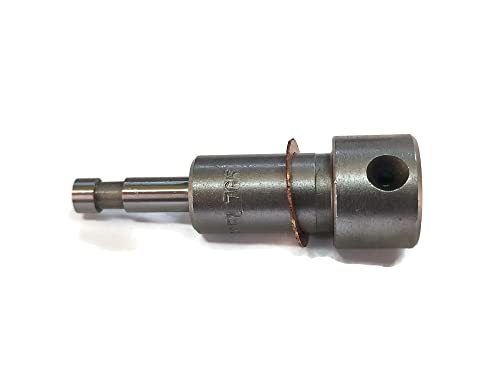
Pros
- Directly replaces OEM Yanmar part number 101104-51100 on compatible water-cooled engines
- Includes both the plunger and precision-mated barrel assembly for a complete internal pump service
- Broad application across popular horizontal Yanmar engine models such as TS50, F4, NT65, NT75, and SS50
- Lightweight construction at approximately 0.33 pounds simplifies workshop handling
Cons
- Requires mechanical competence and strict cleanliness to service a high-pressure diesel injection pump properly
- Limited strictly to designated Yanmar horizontal water-cooled engines, requiring buyers to verify part numbers beforehand
- Package contains only the plunger and barrel assembly, so additional pump gaskets or delivery valve seals must be obtained separately
The ITACO 101104-51100 Plunger Assembly is an aftermarket replacement fuel injection component designed for Yanmar horizontal water-cooled diesel engines, specifically models TS50, F4, NT65, NT75, and SS50. These robust single-cylinder diesel engines are widely utilized in stationary generator sets, small agricultural tractors, and industrial pump installations. For rural property owners, off-grid households, and emergency-preparedness planners who depend on stationary water-cooled diesel generators for reliable backup power, keeping internal fuel injection components in peak condition is necessary to ensure consistent electrical generation during extended utility outages.
In a diesel generator set, the fuel injection pump plunger and barrel assembly performs the critical task of metering and pressurizing diesel fuel before it reaches the fuel injector nozzle. Over extensive running hours, microscopic wear on the plunger surface can reduce hydraulic pressure, leading to hard starting, erratic engine speed governing, reduced electrical output, or excessive exhaust smoke. Installing this precision-ground replacement assembly helps re-establish necessary injection pressure, enabling the diesel engine to maintain stable RPM and frequency regulation under varied household or jobsite electrical loads.
Manufactured in Taiwan, this assembly directly replaces original equipment manufacturer part number 101104-51100. The component weighs approximately 0.33 pounds and comes as a matched plunger with barrel assembly. Because diesel fuel injection systems operate under extreme mechanical tolerances, precise manufacturing of the mating surfaces is critical for reliable fuel delivery, proper spill-timing characteristics, and overall durability in heavy-duty generator applications.
Servicing a diesel injection pump requires careful handling, mechanical familiarity, and absolute cleanliness. Fine dust or debris introduced during installation can quickly damage precision-machined plunger surfaces, so the assembly should be lubricated with clean diesel fuel during installation in a clean workspace. After fitting the replacement part, users should verify pump timing and governor linkage adjustments according to standard engine service procedures to ensure smooth running and safe generator speed control.
A clear limitation of this replacement component is its strict application boundary. The assembly is built specifically for Yanmar TS50, F4, NT65, NT75, and SS50 horizontal water-cooled engines, meaning it will not fit other Yanmar diesel models or air-cooled generator engines. Additionally, the package includes only the plunger and barrel assembly itself, so buyers must independently source replacement copper crush washers, delivery valve seals, or housing O-rings to complete a full injection pump overhaul.
For equipment operators, homesteaders, and maintenance technicians responsible for keeping older horizontal Yanmar water-cooled diesel generators in working order, the ITACO 101104-51100 Plunger Assembly offers a dependable, budget-friendly repair solution. Confirming your existing pump part number and engine model code before purchase ensures a seamless fit, helping keep your diesel generator ready to provide steady electricity whenever storm emergencies or off-grid power needs arise.
Verifying exact part numbers is essential before purchasing replacement fuel injection components for diesel generators. This ITACO assembly directly replaces Yanmar part number 101104-51100 and fits horizontal water-cooled models including the TS50, F4, NT65, NT75, and SS50. Buyers should confirm the stamped identification code on their existing injection pump body or check engine documentation prior to ordering to prevent compatibility issues.
Maintaining clean diesel fuel is the most effective way to protect a newly installed plunger and barrel assembly. Microscopic grit and water contamination are the leading causes of premature injection pump wear, galling, and pressure loss. Pairing this replacement part with fresh fuel filtration, quality fuel treatment, and clean storage tanks helps ensure your diesel generator set starts reliably and delivers steady power throughout severe weather outages.

Pros
- Direct fuel injection system optimizes fuel atomization and operational efficiency
- Strengthened aluminum alloy box aids rapid heat dissipation while limiting weight to 59.5 pounds
- Compact footprint allows flexible mounting on custom generator frames, log splitters, or utility gear
- Substantial 3.6 kW output rating provides reliable mechanical drive power for utility projects
Cons
- Requires mechanical assembly, shaft alignment, and an external generator head because it is a standalone motor rather than a complete ready-to-run generator
- Air-cooled single-cylinder diesel engines naturally produce noticeable mechanical vibration and sound compared to enclosed consumer inverter units
- Supplied listing details omit specific output shaft dimensions and mounting bolt patterns, requiring buyers to verify physical fitment before purchasing
The JDCEREN 3.6kW Diesel Engine is a standalone four-stroke, single-cylinder utility motor designed to serve as a mechanical prime mover for power equipment rather than a plug-and-play electrical generator. It is positioned for DIY fabricators, small-acreage property owners, equipment technicians, and contractors who need to replace a worn engine on a wood splitter or build a custom belt-driven generator setup. Because this unit is strictly an engine, it does not include an alternator, 120-volt or 240-volt electrical receptacles, circuit breakers, or an electrical control panel.
In terms of mechanical performance, the manufacturer rates this air-cooled single-cylinder motor at 3.6 kW of mechanical output. The engine relies on a direct-injection fuel system designed to atomize diesel fuel accurately inside the combustion chamber, promoting efficient combustion and helping owners extract steady torque for heavy utility tasks. For users planning a custom emergency backup generator, pairing this 3.6 kW engine with a properly sized alternator head can supply steady power for essential household circuits, provided the mechanical power transfer, pulley ratios, and electrical governors are correctly configured.
Build quality centers on a thickened, reinforced aluminum alloy crankcase that balances durability against total machine weight. At 59.5 pounds and measuring 13.2 by 14.96 by 16.3 inches, the engine remains relatively compact compared to traditional cast-iron industrial diesels. The aluminum housing is engineered to dissipate heat quickly through passive air cooling, which reduces thermal stress on internal components during continuous runs without requiring the plumbing, radiators, or water pumps of liquid-cooled motors.
Mounting, daily handling, and refueling are streamlined by the integrated top-mounted fuel tank and self-contained configuration. The manufacturer highlights a large diesel tank capacity that minimizes interruptions for refueling during prolonged operations. Because diesel fuel is less volatile than gasoline and stores well with appropriate stabilizers, this engine style is often favored for emergency power equipment that sits between uses. Routine maintenance includes monitoring engine oil levels, keeping cooling fins clear of debris, and ensuring fuel filters remain free of contaminants.
A critical limitation of this unit is that it is strictly a mechanical power source, meaning it cannot energize household appliances, tools, or RV circuits straight out of the box. Anyone seeking immediate plug-in backup power during a storm will need a complete, factory-assembled generator rather than an uncoupled motor. Furthermore, single-cylinder air-cooled diesels inherently exhibit higher mechanical vibration and acoustic output than enclosed inverter generators, and the product data does not list specific PTO shaft diameter, keyway dimensions, or starter mechanism details.
Based on the product specifications, the JDCEREN 3.6kW Diesel Engine is a practical, budget-conscious choice for experienced DIY builders, mechanics, and equipment operators repowering existing mechanical machinery or engineering a custom generator platform. Buyers should verify shaft dimensions, rotation direction, and mounting bolt spacing against their equipment requirements before purchasing, and ensure all fuel-burning equipment is operated exclusively outdoors in well-ventilated spaces far away from living quarters.
Integrating the JDCEREN 3.6kW diesel motor into a homemade generator platform requires understanding mechanical power transfer and electrical conversion. The 3.6 kW mechanical rating of the engine represents shaft horsepower rather than continuous electrical wattage. Because generator alternator heads experience conversion losses from heat and friction, buyers should account for alternator efficiency when estimating final electrical output for household backup or jobsite power.
Mounting this engine requires a sturdy, vibration-isolated steel or aluminum frame to absorb the reciprocating forces common to single-cylinder diesel engines. Whether connecting the output shaft directly via a flexible coupling or using pulleys and a drive belt, proper alignment is essential to prevent premature bearing wear on both the engine and the generator head. Safe electrical operation also requires installing appropriate circuit breakers, ground connections, and an automatic voltage regulator on the chosen generator head.
Operating any fuel-burning engine demands strict adherence to exhaust safety guidelines. Like all internal combustion engines, this diesel motor emits toxic carbon monoxide and exhaust particulates, meaning it must never be operated inside a home, garage, workshop, shed, or enclosed area. The unit must always be placed outdoors on a stable, level surface with exhaust directed away from windows, doors, and building air intakes.
Pros
- Direct injection fuel system maximizes fuel economy compared to similar displacement gasoline engines
- Generous 1.45-gallon onboard fuel capacity supports long continuous operating sessions
- Durable cast aluminum and iron construction with protective anti-corrosion exterior coating
- Self-contained air-cooled design eliminates water pump, radiator, and coolant maintenance
Cons
- Manual recoil start on a 418cc diesel cylinder requires considerable physical pulling effort
- Provides mechanical engine power only and does not include an electrical alternator, outlets, or power panel
- Vertical shaft configuration is not directly compatible with conventional horizontal-shaft generator heads
The AOOCHU 10HP 418cc Diesel Engine is a standalone four-stroke, single-cylinder replacement motor engineered for utility equipment repowering and custom fabrication projects. Positioned as an industrial power plant rather than a finished consumer generator, this air-cooled engine supplies mechanical drive for tillers, lawn mowers, agricultural gear, and DIY generator systems. It serves rural property owners, small-scale mechanics, and off-grid fabricators who need steady diesel power to replace a worn engine or build a dedicated belt-driven utility rig.
Mechanical performance is anchored by the 418cc displacement cylinder, which the manufacturer rates at 10 horsepower and up to 6.3 kW (6,300 watts) of output at 3,600 RPM. Operating at 3,600 RPM is particularly relevant for generator builders, as this rotation speed matches standard two-pole AC generator alternator heads designed for 60 Hz electrical output. The engine utilizes a single-valve direct fuel injection system, which promotes clean combustion and efficient fuel utilization under sustained mechanical load. Fuel storage is handled by an integrated 1.45-gallon diesel tank, giving users extended runtime between refueling stops on the jobsite or in the field.
Build quality centers on heavy-duty materials designed to handle high-compression diesel stresses. The crankcase and exterior housings use a blend of structural iron, aluminum, and die-casting aluminum treated with a spray-molded protective finish for corrosion resistance. To manage thermal buildup during long duty cycles, the engine incorporates a forced air-cooling fan paired with dense ventilation holes across the casing. An accessible, high-efficiency air filter protects internal components from dust and debris, which is essential when operating near garden tillers or outdoor work zones.
Operating controls include an ergonomic speed control knob that locks into desired throttle positions, as well as a pre-installed bracket for external throttle cable hookups. Starting is strictly mechanical via a manual pull recoil cord, avoiding the complexity and weight of an electric starter or external 12-volt battery. However, buyers should understand that manually pulling a 418cc single-cylinder diesel engine through its compression stroke requires deliberate technique and notable upper-body strength. When integrating this unit with an electrical alternator head or machinery deck, careful alignment and vibration dampening are critical for safe, dependable operation.
Potential buyers must account for the specific architectural limitations of this product. Most importantly, this is a bare vertical-shaft engine and not a plug-and-play portable generator; it does not feature electrical receptacles, circuit breakers, voltage regulators, or an alternator. Converting its 6,300 mechanical watts into usable 120V or 240V electricity requires an external generator head, proper pulley or coupling mechanisms, and specialized electrical knowledge. Furthermore, its vertical shaft layout limits direct drop-in replacement on traditional horizontal-shaft generator frames.
For experienced DIYers, homesteaders, and equipment operators seeking an economical 418cc diesel motor, the AOOCHU 10HP engine provides robust torque and efficient fuel delivery in an air-cooled platform. Before purchasing, verify that your equipment uses a vertical-shaft mount and matches the shaft diameter and bolt pattern requirements. As with any fuel-burning power source, always operate machinery driven by this engine outdoors away from residential living areas to prevent hazardous carbon monoxide accumulation.
Using this 418cc diesel engine for electrical generation requires pairing it with an appropriate external alternator head. The engine operates at 3,600 RPM, which aligns directly with the rotational speed required by common 2-pole alternators to generate standard 60 Hz electrical frequency. Because this unit features a vertical drive shaft, fabricators typically utilize right-angle gearboxes or dual-pulley belt systems to couple the engine output to standard horizontal electrical alternator shafts.
Anyone building a custom generator rig must account for mechanical power transfer losses between the 6.3 kW motor rating and the final electrical wattage produced by the alternator head. Secure mounting to an isolated, vibration-damped steel skid is recommended to manage single-cylinder diesel vibration. Never run custom generator equipment in enclosed spaces, garages, or near home openings, as diesel combustion produces lethal exhaust gases, including carbon monoxide.
Frequently Asked Questions About Best Small Water Cooled Diesel Generator
How does a small water-cooled diesel generator differ from an air-cooled model?
Water-cooled diesel generators circulate liquid coolant through internal engine passages and a radiator, keeping operating temperatures more uniform than standard air-finned blocks. This liquid cooling jacket dampens mechanical engine noise and prevents thermal breakdown during marathon runtimes in high ambient temperatures. Air-cooled units rely entirely on ambient airflow and cooling fins, making them lighter and simpler to transport but more sensitive to high-heat environments. Liquid-cooled assemblies require routine coolant monitoring, yet they deliver superior thermal stability for continuous off-grid loads.
What size diesel engine is needed to power a 3000-watt to 5000-watt generator head?
A generator head producing 3000 to 5000 running watts typically requires an engine rated between 7HP and 10HP. General engineering rules require roughly two engine horsepower per continuous kilowatt of electrical output to account for mechanical conversion losses. A 10HP 418cc diesel engine producing around 6.3kW mechanical output provides adequate headroom for startup surges from water pumps and refrigerators. Undersizing your motor leads to frequency drops and engine stalling when heavy inductive loads kick on. Buyers comparing power setups often evaluate 3600-watt generator options to establish their exact continuous household wattage baseline before selecting a replacement motor.
Can a small diesel generator be safely operated inside a garage or basement?
No, a diesel generator or engine must never be operated inside a garage, home, basement, shed, or any enclosed space. Diesel exhaust contains dangerous concentrations of carbon monoxide, nitrogen oxides, and fine particulate matter that can prove fatal within minutes. Even with open windows, outward-facing fans, or an open garage door, toxic fumes quickly accumulate indoors. Always position combustion equipment outdoors on a level, well-ventilated surface at least twenty feet away from doors, windows, and fresh-air intake vents.
Why are direct injection systems important on small diesel engines?
Direct fuel injection atomizes diesel fuel directly into the combustion chamber at high pressure, maximizing combustion efficiency and fuel economy. This precise fuel metering lowers hourly operating costs and produces less carbon buildup on internal valves over long duty cycles. High-pressure injection pumps and precision plunger assemblies ensure consistent fuel delivery across varying electrical loads. Maintaining clean diesel fuel and replacing clogged fuel filters prevents injector failure and keeps starting effortless.
How do starting watts and running watts impact diesel generator sizing?
Running watts represent the continuous electrical energy needed to power appliances, while starting watts cover the brief surge required by electric motors during initial startup. Inductive appliances such as sump pumps, well pumps, and air compressors often demand two to three times their running wattage to start. A diesel generator must provide enough surge capacity to prevent voltage sags that could trip breakers or damage sensitive equipment. Sizing your diesel engine to handle these peak surge demands ensures steady voltage and frequency stability.
What routine maintenance is essential for small diesel generator engines in 2026?
Essential maintenance includes frequent oil changes, diesel fuel filtration checks, air filter cleanings, and valve clearance inspections. Diesel engines run with high compression ratios, which places greater shear stress on motor oil and accelerates soot buildup. Checking the oil dipstick before every start prevents catastrophic internal bearing failure caused by low lubricant levels. Cleaning the air filter regularly keeps airborne debris from entering the cylinder liner, safeguarding long-term compression and engine life.





Write Your Review
No reviews yet. Be the first to share your experience!