


Planning a reliable emergency backup system requires matching your portable generator output to the exact electrical components connecting it to your home or recreational vehicle. During severe weather or unexpected grid failures, knowing what size wire for 30 amp generator plug installations require protects your equipment against dangerous heat buildup and severe voltage drop. A standard 30-amp generator circuit delivers substantial wattage, often reaching 7,500 surge watts on common dual-voltage models. Understanding your continuous electrical loads and consulting accurate generator amperage calculations ensures that every cord, inlet, and transfer switch terminal operates well within safe electrical margins.
Selecting an undersized cable creates a severe fire risk because excessive electrical resistance causes thin conductors to overheat under continuous load. Quality generator cords, replacement plug assemblies, and pre-drilled inlet boxes utilize robust 10 AWG copper wire designed specifically to handle 30-amp continuous current safely. Using the proper conductor configuration also ensures compatibility between three-prong 120-volt receptacles and four-prong 120/240-volt twist-lock outlets. This comprehensive technical guide details the standard wire sizes, distance limitations, conductor counts, and installation practices necessary for a code-compliant, durable power connection.
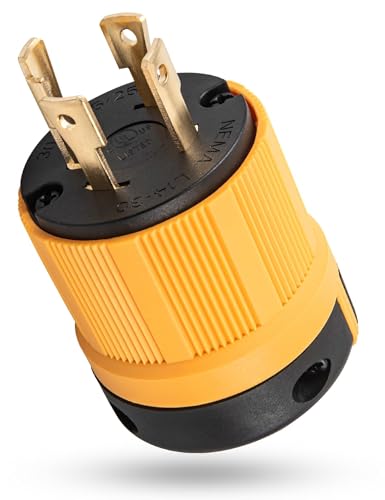
Pros
- Twist-lock design prevents accidental pull-out and resists portable generator engine vibration
- Rated for full 30-amp, 125/250-volt service delivering up to 7,200 watts for home backup needs
- Clearly separated internal terminals make wire termination straightforward for DIY assembly
- Sturdy industrial-grade casing handles rugged jobsite and outdoor emergency use
Cons
- Requires manual wiring and basic electrical knowledge to assemble safely and properly
- Limited to 30-amp, 7,200-watt electrical setups and cannot be used with 50-amp systems
- Must be paired with proper 10 AWG wire for full 30-amp loads despite accommodating thinner wire sizes
The MECMO 30-Amp NEMA L14-30P generator locking plug is a male replacement connector designed to repair damaged generator power cords or assemble custom backup power cables. Featuring a standard 4-prong configuration rated for 125/250 volts, this industrial-strength component directly targets homeowners, RV owners, and DIYers preparing for storm outages or maintaining portable power setups. Connecting a portable generator to a home manual transfer switch or power inlet box requires a dependable, heavy-duty plug, and this unit provides an affordable solution without needing to purchase an entirely new cable assembly.
The connector supports electrical loads up to 30 amps and 7,200 watts at 125/250 volts, matching the standard output receptacle found on many mid-sized to large portable and dual-fuel generators. Its 3-pole, 4-wire grounding architecture provides separate terminals for two hot lines, one neutral, and one equipment ground. This configuration is essential for balanced 120/240-volt multi-wire branch circuits running to transfer switches, power distribution boxes, or RV setups. The twist-lock interface ensures that once the plug is inserted into a matching female L14-30R receptacle and rotated, it resists engine vibration and mechanical tension, preventing unexpected disconnections while powering essential household appliances.
Built from impact-resistant industrial plastic, the MECMO connector measures 3.66 by 2 by 2 inches, presenting a compact, durable profile finished in gray. Inside the housing, each terminal is clearly segregated to help prevent accidental short circuits between hot, neutral, and ground conductors. The terminal screws provide solid clamping pressure on stripped copper conductors, accommodating wire gauges from 18 AWG up to 10 AWG. For full 30-amp electrical service, using 10 AWG wire is standard practice to safely handle the maximum 7,200-watt rating without excessive resistance or heat buildup.
Installing the connector involves unscrewing the outer body, stripping the outer cable jacket and individual conductors, inserting the wires into their respective terminals, and tightening the clamping screws firmly. The exterior casing features ribbed gripping surfaces that make twisting and locking the plug into generator receptacles straightforward, even when wearing work gloves during stormy weather or low-light outage conditions. Routine maintenance involves periodically inspecting the brass prongs for oxidation, checking terminal screw tightness, and verifying that the cord jacket remains securely held by the rear housing.
While this connector offers a straightforward repair path, it does have distinct boundaries buyers must recognize. Assembly requires proper electrical tools, wire stripping, and strict adherence to correct polarity; improper wiring can damage equipment or create hazardous conditions. The plug is rated specifically for 30-amp service, making it unsuitable for high-output generators that utilize 50-amp CS6365 or NEMA 14-50 configurations. Furthermore, while the manufacturer notes compatibility with wire gauges between 18 and 10 AWG, 18 AWG wire is dangerously undersized for high-amperage generator backup and should never be used for 30-amp loads.
The MECMO NEMA L14-30P replacement plug is a practical, cost-effective addition for anyone maintaining an emergency power system, building a custom generator extension cord, or replacing a cracked male plug. Homeowners and contractors with portable generators featuring an L14-30R outlet will find it a reliable component for feeding manual transfer switches or jobsite subpanels. Buyers should verify that their generator outlet and inlet boxes utilize matching 4-prong L14-30 twist-lock connections and ensure they pair this connector with heavy-duty 10 AWG 4-conductor cable to safely support their electrical demands.
The MECMO NEMA L14-30P plug utilizes a 3-pole, 4-wire grounding system designed for 125/250-volt circuits up to 30 amps. In this configuration, the four terminals correspond to two 120-volt hot legs (X and Y), one shared neutral (W), and one equipment ground (G). When wired correctly to heavy-duty 10 AWG copper cable, this arrangement allows a portable generator to supply both 120-volt household circuits and 240-volt loads through a compatible manual transfer switch or generator interlock kit.
Safe operation requires ensuring that the generator cord connects exclusively to an approved transfer switch or code-compliant generator inlet box installed by a qualified professional. Portable generators should never be connected to household wiring via standard wall outlets or unsafe backfeeding methods. Before assembling this replacement plug, confirm that your generator features an L14-30R receptacle and verify that your cord conductors are stripped cleanly and torqued down securely to prevent overheating during extended power outages.

Pros
- Complete package supplies both a 25-foot 10 AWG generator cord and an ETL-listed outdoor power inlet box.
- Twist-lock L14-30 interface creates a secure, vibration-resistant connection that will not pull free accidentally.
- Built-in indicator light on the weather-resistant inlet box lid provides clear visual confirmation of live power.
- Durable SJTW pure copper cable resists UV breakdown, heat, moisture, and ground abrasion during storms.
- Includes a storage bag and carrying handle strap for neat coiling and easy seasonal storage.
Cons
- Inlet box installation requires wiring into a home transfer switch or interlock kit, which may require an electrician.
- Heavy 10-gauge multi-conductor cord can become stiff and more challenging to roll up in freezing winter temperatures.
- Limited to 30-amp generator setups and cannot accommodate larger 50-amp generator connections without separate adapters.
The VEVOR 30 Amp Generator Cord and Power Inlet Box Kit is an outdoor electrical connection solution designed for homeowners, rural property owners, and emergency-preparedness planners seeking a safe link between a portable generator and household electrical panels. Featuring a 25-foot 10 AWG SJTW cable alongside an ETL-listed power inlet box, this bundle directly targets households preparing for severe weather, grid disruptions, and seasonal storm outages. Instead of feeding multiple individual extension cords through cracked windows or garage doors, this assembly allows homeowners to establish a centralized, weather-tight generator connection point on the home exterior.
Electrically, the kit is built around a standard 30-amp, 4-prong NEMA L14-30 configuration capable of handling 120V/240V split-phase power. The 25-foot cord uses four 10 AWG pure copper conductors to minimize voltage drop over distance while supporting continuous generator output up to 30 amps. One end features a male NEMA L14-30P plug that connects directly into a portable generator's 30-amp receptacle, while the opposing end terminates in a twist-lock NEMA L14-30R female connector. When linked to an outdoor inlet box wired to a manual transfer switch or generator interlock panel, this setup can distribute backup power to essential circuits including refrigerators, freezers, well pumps, lighting, and communication devices.
Build quality and weather resistance are central to the kit's design. The 25-foot power cord features an ETL-certified, flame-retardant PVC jacket formulated to resist high heat, ultraviolet degradation, wind, rain, and snow contact. The outdoor power inlet box is fabricated with a protective rust-resistant coating and includes a spring-loaded flip cover that shields the recessed NEMA L14-30P male prongs from rain, dirt, and insects. A clear indicator light built into the front flip cover illuminates once the generator supplies active voltage, providing immediate verification that power has reached the inlet box without needing to inspect internal electrical panels in the dark.
Safe generator operation requires adequate separation between exhaust emissions and living spaces, and this cord's 25-foot length provides the physical reach necessary to position a generator safely outdoors. Operating combustion-engine portable generators indoors, inside garages, or near open windows presents severe carbon monoxide hazards. The 25-foot distance helps users maintain proper clearance from exterior walls while running power into the home. Furthermore, the twist-lock design on both cable ends ensures that generator vibration or accidental tension on the line will not dislodge the plug during operation. Between storm seasons, the included carrying strap and storage bag keep the 9.7-pound cable coiled neatly for compact storage.
Prospective buyers should keep practical electrical requirements in mind before purchasing. The supplied power inlet box is a hardwired component that must be physically mounted and tied to an approved indoor transfer switch or breaker interlock device, which typically requires practical wiring experience or the assistance of a licensed electrician. Additionally, this kit is strictly matched to 30-amp electrical interfaces; households utilizing 50-amp generators with NEMA 14-50 outlets will require different cabling or adapters. The heavy 10 AWG insulated jacket can also become noticeably rigid in freezing weather, demanding extra effort when coiling after a winter storm outage.
For budget-conscious homeowners seeking a complete 30-amp backup power conduit, the VEVOR 30 Amp Cord and Power Inlet Box Kit delivers durable materials and straightforward utility. It eliminates the hassle of purchasing cords and outdoor boxes separately while providing the safety assurance of ETL certification and pure copper wiring. When paired with a properly installed transfer panel and responsible outdoor generator placement, this kit offers an efficient, dependable bridge between portable power and household essentials.
A generator power inlet box serves as the permanent outdoor entry point for backup electricity, replacing improvised extension cords that compromise home insulation and security. The VEVOR inlet box features pre-drilled knockout locations and a detachable connector assembly, which streamlines running conduit through exterior siding into an interior panel. Integrating this box with a manual transfer switch or mechanical panel interlock ensures that incoming generator power is distributed strictly to isolated home circuits, preventing dangerous electrical backfeeding into the utility grid.
The 4-prong NEMA L14-30 configuration includes two hot conductors, one neutral conductor, and a dedicated equipment ground conductor. This 4-wire layout is compatible with standard 120V/240V portable generator outputs, allowing balanced power delivery across both electrical buses in a residential panel. Before making the final connection, users should always ensure the generator is running smoothly at operating speed and that the main generator breaker is engaged prior to switching transfer loads inside the home.
Generator safety depends heavily on physical placement, and the 25-foot length of this heavy-duty cord provides the spacing necessary to keep combustion exhaust away from residential living areas. Fuel-burning portable generators produce hazardous carbon monoxide fumes and must never be operated inside garages, basements, sheds, or enclosed porches. A 25-foot cord allows the generator to run outside on a firm, level surface well away from windows, doors, and fresh-air intake vents.
Physical security is reinforced by the twist-lock NEMA interface on the cord ends and inlet box. Once inserted and rotated, the self-locking tabs seal out moisture and dust while resisting physical tugs or engine vibrations that could loosen standard straight-blade plugs. When severe weather passes, wiping moisture from the flame-retardant PVC jacket before storing the cable in the provided travel bag prevents mildew growth and preserves the flexibility of the 10 AWG copper bundle for future emergencies.

Pros
- Secure twist-lock design resists generator vibration and prevents unexpected power interruptions during outages
- Solid brass blades maintain tight contact and reduce heat generation under high electrical loads
- Rugged impact-resistant nylon housing withstands rough handling, drops, and tough jobsite conditions
- Rubber dust seal and internal cord clamp protect wiring terminals from mechanical strain and debris
Cons
- Requires manual assembly with appropriate wire stripping and torque application onto 10 AWG copper cord
- Rated strictly for 30A circuits and cannot accommodate 50A generator outputs or 3-prong 120V-only outlets
- Sold as an individual male plug component, requiring separate acquisition of bulk cable and female connectors
The ENERLITES NEMA L14-30P Locking Plug is a heavy-duty wiring component designed for building, repairing, or replacing 30-amp power cords used with portable generators and emergency backup systems. Rated at 30 amps and 125/250 volts, this 3-pole, 4-wire grounding plug is engineered to interface directly with the standard L14-30R twist-lock outlets found on most mid-sized and high-output portable propane, dual-fuel, and gasoline generators. For American homeowners configuring storm-preparedness power feeds or contractors maintaining rugged extension cords on jobsites, this plug serves as an essential mechanical link between the generator output and the transfer switch or power inlet box.
Electrical performance centers on solid brass contact blades that ensure high conductivity and minimize voltage drop under sustained electrical demand. By supporting balanced 120/240V split-phase distribution, the plug allows homeowners to feed critical multi-wire household circuits, well pumps, or subpanels through a compatible manual transfer switch without overheating terminals. The four-wire configuration separates hot lines, neutral, and ground conductors into individually isolated terminal pockets, reducing the likelihood of stray wire strands, internal short circuits, or ground faults during assembly.
Mechanical durability is reinforced by an industrial-grade nylon housing that resists cracking, impacts, and heavy abrasion. Portable generators produce substantial mechanical vibration during operation, which can cause conventional straight-blade plugs to loosen or back out over time. The twist-lock interface of the NEMA L14-30P locks firmly into the mating receptacle with a clockwise rotation, ensuring uninterrupted electrical delivery even under continuous engine oscillation. An integrated internal cord clamp anchors the outer cable sheath securely, preventing tugs or cord movement from straining the internal screw terminals, while a flexible rubber dust seal keeps ambient moisture, dust, and contaminants from entering the wiring chamber.
Installation ergonomics are tailored for straightforward DIY assembly using standard multi-conductor cordage, such as 10/4 SOOW or SJOOW cable. The outer body features deep longitudinal fluting that provides positive traction when locking or unlocking the plug from an outlet, even when wearing work gloves. Alignment keys between the face and the outer shell streamline reassembly, and the terminal screws are housed within recessed pockets designed to prevent screwdriver slippage during high-torque tightening. Each terminal post is clearly designated to ensure accurate phase, neutral, and ground terminations.
Prospective buyers must note specific application boundaries before purchasing. This product is an individual male plug replacement component, not an assembled generator cord or an electrical generator. Safe operation requires assembly by individuals familiar with proper wire sizing, stripping tolerances, and electrical torque specifications. Additionally, the 30-amp 125/250V rating limits its maximum continuous capacity to 7,500 watts, meaning it cannot substitute for higher-capacity 50-amp (NEMA 14-50) connections found on large whole-house standby units or larger multi-fuel generators.
The ENERLITES NEMA L14-30P Locking Plug represents an economical, dependable solution for homeowners and trade professionals preparing emergency power connections. Whether assembling a custom-length power cord to connect an outdoor propane generator to an exterior house inlet or replacing a worn plug on an existing transfer cord, its sturdy nylon construction, solid brass contacts, and vibration-resistant locking mechanism offer dependable power transfer when utility power fails.
Using a portable propane or multi-fuel generator for home backup requires safe, code-compliant connection methods to avoid dangerous backfeeding into utility lines. The NEMA L14-30P configuration is the standard interface for connecting 30-amp portable power sources to an outdoor generator inlet box wired to an indoor manual transfer switch or mechanical interlock panel.
When assembling a power cord with the ENERLITES L14-30P plug, users should pair it with four-conductor copper cable rated for 30 amps, typically 10 AWG (such as 10/4 SOOW). The four terminals correspond to two 120V hot legs (X and Y), one neutral conductor (W), and one equipment grounding conductor (G), allowing balanced 120/240V power delivery into the home electrical system.
Proper cord assembly requires stripping conductors to the exact length specified by the manufacturer, ensuring that no stray copper strands bridge adjacent terminals. Tightening all terminal screws securely and clamping the outer cable jacket prevents mechanical strain from pulling conductors free during generator operation or storage.
The construction of the ENERLITES L14-30P focuses on thermal stability and mechanical endurance. High-current generator applications can generate significant heat at the contact surfaces, which makes the choice of solid brass blades crucial for minimizing resistance and preventing thermal degradation over long continuous runs.
The outer shell utilizes impact-resistant nylon that maintains structural integrity across wide ambient temperature variations, preventing cracking in cold winter storms or softening in hot summer conditions. The internal wiring chamber provides physical barriers between poles to eliminate internal arcing risks.
A flexible rubber dust collar sits at the cord entry point, conforming to the outer cable jacket to block sawdust, dirt, and airborne moisture from infiltrating the electrical terminals. While this barrier helps protect terminal integrity, the plug itself is intended for dry or weather-protected connections and must be used inside approved weatherproof inlet enclosures when operating outdoors.
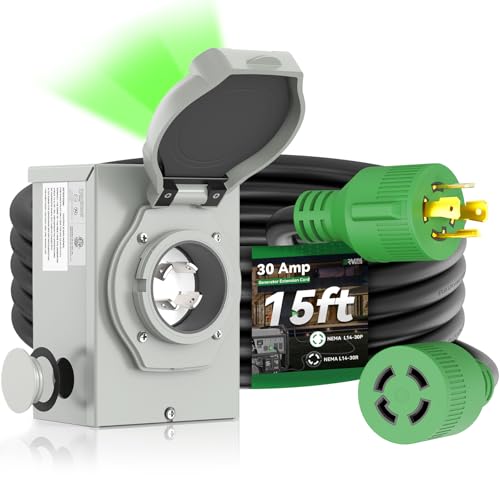
Pros
- ETL-certified 30-amp system rated for up to 7,500 watts at 125V/250V for reliable emergency home backup
- Patented four-way pre-drilled knockouts allow quick conduit connection without requiring specialized hole saws or step bits
- Illuminated green power indicator on the weatherproof cover provides clear visual confirmation of live generator power
- Heavy-gauge 10/4 copper wiring delivers robust conductivity while minimizing voltage drop over the 15-foot span
Cons
- The 15-foot cord length requires strategic generator positioning to maintain safe carbon monoxide setbacks from residential openings
- Features a straight-blade NEMA 14-30P male plug rather than a twist-lock L14-30P, requiring buyers to verify their generator outlet configuration
- Restricted to 30-amp / 7,500-watt maximum loads, making it unsuitable for larger 50-amp home backup systems
The RVINGPRO 30 Amp Generator Cord and Pre-Drilled Power Inlet Box provides a safe, direct method for transferring electricity from a portable generator to a residential electrical panel or manual transfer switch. Designed for American homeowners, storm-preparedness planners, and rural property owners, this kit bridges the gap between outdoor power generation and indoor circuits during utility outages. Rather than running a web of hazardous extension cords through cracked windows or partially opened doors, this setup creates a permanent exterior electrical inlet that maintains building security and weather protection while routing power to essential home loads.
Electrical performance centers on standard residential 120V/240V split-phase distribution with a 30-amp maximum current threshold and a 7,500-watt capacity limit. The included 15-foot cord is built with heavy-duty 10/4 AWG pure copper conductors wrapped in a heat-resistant, flame-retardant PVC jacket rated SJTW for outdoor conditions. The electrical interfaces feature a straight-blade NEMA 14-30P male plug on the generator side and a twist-locking NEMA L14-30R female receptacle that attaches directly to the inlet box. This twist-lock design ensures the cable remains firmly seated even when exposed to severe weather vibrations or sudden wind gusts during major storms.
The included power inlet box simplifies the physical mounting process through its patented pre-drilled knockout design. Unlike standard metal junction boxes that require expensive bi-metal hole saws or stepped drill bits, this enclosure features four pre-punched entry points positioned on the left, right, bottom, and rear sides that can be popped open quickly by hand. The inlet box houses a male NEMA L14-30P prong assembly protected by a spring-loaded weather cap that seals tightly against rain, snow, and dust when the generator is disconnected. A bright green LED indicator embedded directly into the cap illuminates once the generator feeds power to the inlet, providing instant visual feedback from across the yard at night.
Deploying this kit during an emergency requires proper planning to maintain code compliance and carbon monoxide safety. The exterior inlet box must be wired to an interior transfer switch or breaker interlock panel by a qualified electrician to prevent illegal backfeeding into utility lines, which endangers utility line workers. During an outage, the generator must be positioned outdoors in an open area well clear of windows, doors, and fresh-air vents to eliminate exhaust hazards. The 15-foot cable length offers sufficient reach to keep the running unit at a distance, while the included storage bag and carry handle protect the heavy copper wire from abrasion and moisture when stowed in a garage or shed between seasons.
While this package provides an efficient hookup solution, buyers should evaluate key interface constraints before purchasing. The cord uses a straight-blade NEMA 14-30P male plug on the generator end rather than a twist-lock L14-30P configuration; generator owners must verify whether their portable propane, dual-fuel, or gasoline machine features a matching 4-prong straight-blade 14-30R receptacle or an L14-30R twist-lock port. Additionally, the 30-amp, 7,500-watt ceiling is optimized for essential residential circuits like refrigerators, gas furnace blowers, well pumps, and lighting, but it cannot support high-draw whole-house loads or large central air conditioning units that demand a 50-amp electrical service.
This RVINGPRO hookup package is highly recommended for homeowners and preparedness shoppers seeking an affordable, ETL-listed 30-amp connection system for portable generators producing up to 7,500 watts. Its user-friendly knockout design significantly reduces installation effort for electricians and skilled DIYers alike, while the illuminated outdoor box and robust 10-gauge cord deliver dependable operation in freezing winter storms or hurricane recovery conditions. Those operating larger 50-amp generators or units strictly equipped with twist-lock receptacles will need to select higher-capacity or alternative plug-specific connection hardware.
A dedicated generator inlet box combined with a heavy-duty cord is the safest, most reliable method to energize home circuits without resorting to unsafe backfeeding practices. Connecting directly into a certified transfer switch or interlock panel ensures total isolation from the incoming municipal grid, keeping utility repair crews safe and protecting your generator from damaging power surges when commercial electricity is restored.
Both the 15-foot cord and the pre-drilled power inlet box carry ETL safety listings, validating that their electrical conductivity, terminal insulation, and weatherproofing satisfy strict American safety benchmarks. Operating a fuel-powered portable generator always requires complete outdoor placement away from living quarters, and this external wall-mounted inlet allows you to keep all windows, doors, and crawlspaces fully sealed while electricity flows safely indoors.
The 15-foot extension cord utilizes four-conductor 10-gauge (10/4 AWG) stranded copper wiring capable of carrying 30 amps across dual 125V legs for balanced 250V service. Pure copper construction maintains high electrical efficiency, minimizes resistive heat generation, and guards against excessive voltage sag under heavy household motor-starting loads.
Buyers must confirm that their generator control panel provides a matching NEMA 14-30R straight-blade receptacle to accept the cord's male NEMA 14-30P end. The opposing NEMA L14-30R twist-lock female connector mates seamlessly with the included wall-mount inlet box, locking tightly with a clockwise turn to prevent accidental unplugging during high winds or severe storms.

Pros
- Heavy-duty 10/3 AWG copper conductors deliver full 30-amp, 3,750-watt continuous power transfer
- Twist-lock NEMA L5-30P plug locks securely into place against generator engine vibration
- 12-inch flexible dogbone structure prevents mechanical stress on the generator panel outlet
- Integrated finger grip handle makes unplugging the tight RV connection quick and strain-free
- Rugged STW-grade jacket provides dependable durability in varied outdoor environments
Cons
- Configured strictly for 3-prong 120V L5-30 outlets and cannot fit 4-prong 120/240V L14-30 generator receptacles
- Requires careful load management because the adapter capacity caps at 3,750 watts regardless of larger generator capabilities
- One-foot length serves solely as an interface adapter, requiring an existing 30-amp RV power cord to reach the vehicle inlet
The ELEGRP 30 Amp Generator Adapter Cord is an electrical converter engineered to connect portable generators equipped with a 3-prong twist-lock receptacle to recreational vehicles, campers, and travel trailers using standard 30-amp shore power plugs. Many portable inverter and open-frame generators feature a NEMA L5-30R locking outlet rather than a dedicated RV-style TT-30 receptacle. This heavy-duty 1-foot adapter bridges that interface gap, making it a valuable power accessory for RV owners, dry campers, tailgaters, and homeowners planning to use a travel trailer as an emergency living space during storm-induced utility outages.
From a power delivery standpoint, the adapter is rated for 125 volts, 30 amps, and a maximum continuous load capacity of 3,750 watts. It is built using heavy-duty 10-gauge (10/3 AWG) pure copper wiring, which provides stable electrical conductivity and minimizes voltage drop when transferring current between the generator and the RV power distribution center. While the cord comfortably handles the complete 30-amp threshold standard in modern travel trailers, actual usable output remains governed by the running watts of the connected generator. RV owners must still calculate simultaneous appliance loads to ensure that high-draw items, such as rooftop air conditioners, convection microwaves, and water heaters, do not exceed the combined generator wattage or the adapter's 3,750-watt ceiling.
Durability and connection security represent major functional strengths of this dogbone converter. The male end features a molded NEMA L5-30P twist-lock plug that firmly seats into the generator's locking outlet, preventing accidental disconnects caused by engine vibration, wind, or inadvertent tugs on the main shore line. Surrounding the heavy copper conductors is a rugged STW-rated outer jacket built to withstand outdoor abrasion, sunlight exposure, and changing weather conditions. Additionally, the female NEMA TT-30R connector includes an integrated ergonomic finger pull handle, allowing users to disconnect tight-fitting 30-amp RV power cords without placing damaging stress on the cable jacket or terminal connections.
The 12-inch flexible dogbone architecture offers a critical mechanical advantage over rigid, one-piece puck adapters. Rigid adapters place significant cantilevered weight and vibration leverage directly onto the generator's control panel, which can lead to cracked faceplates or loosened internal terminal screws over extended runs. By introducing 1 foot of flexible cord between the generator faceplate and the heavy RV shore cord, this adapter effectively relieves physical strain at the receptacle interface. When setting up in camp or during home emergency use, always remember that fuel-burning portable generators must operate strictly outdoors in well-ventilated areas, situated well away from RV windows, doors, and slide-outs to protect occupants from dangerous carbon monoxide exhaust.
Potential buyers must verify their specific generator outlet configuration before purchasing to avoid compatibility issues. This adapter is exclusively configured for 120-volt 3-prong NEMA L5-30R receptacles; it will not fit 4-prong 120/240-volt NEMA L14-30R twist-lock outlets commonly found on larger home backup generators. Furthermore, because this adapter measures exactly 12 inches in length, it is designed solely as an electrical interface converter rather than an extension cord, requiring users to supply their own standard 30-amp RV power cord to span the distance between the generator and the camper power inlet.
For RVers and emergency-preparedness households seeking a dependable link between a 120V twist-lock generator outlet and standard camper electrical systems, the ELEGRP 30 Amp Generator Adapter Cord delivers solid electrical ratings and thoughtful mechanical design. Its combination of heavy 10/3 AWG copper wiring, secure twist-lock retention, strain-relieving flexible dogbone body, and ergonomic disconnect handle provides a safe and practical power connection for camping trips and emergency backup scenarios alike.
Understanding outlet standards is essential when pairing a portable generator with a recreational vehicle. Many mid-sized portable generators provide electrical output through a 120-volt, 3-prong twist-lock NEMA L5-30R receptacle, while standard 30-amp travel trailers and campers utilize a straight-blade NEMA TT-30P plug. The ELEGRP adapter resolves this mismatch by accepting the standard RV plug on one end while locking securely into the generator twist-lock port on the other.
During extended storm outages, many households utilize their travel trailer or camper as a temporary living quarter equipped with functional refrigeration, lighting, and ventilation. Connecting your RV directly to a portable generator using this adapter allows you to power the vehicle's onboard converter and internal AC circuits up to the adapter's 3,750-watt limit. Users should plan their electrical consumption carefully by avoiding simultaneous operation of multiple heavy-draw appliances such as air conditioners and electric water heaters.
Vibration is an inherent characteristic of fuel-burning portable generators, creating mechanical wear on electrical connections. The twist-lock design of the NEMA L5-30P male plug ensures that the cord remains firmly seated in the generator outlet despite continuous engine oscillation, eliminating intermittent power delivery or accidental pull-outs.
The flexible 12-inch dogbone form factor acts as a shock absorber between the generator panel and the heavy, stiff RV shore cord. Rigid one-piece adapters transfer all downward weight and wind movement directly into the outlet faceplate, risking receptacle cracking or terminal loosening. The flexible cord body absorbs this mechanical tension, protecting the generator components from structural fatigue while maintaining a secure, weather-resistant electrical path.

Pros
- Secure NEMA L14-30P twist-lock connector locks firmly into 30-amp portable generator receptacles.
- Thick 10 AWG copper wiring supports continuous 120/250V loads without overheating.
- Weather-resistant SJTW outer insulation withstands outdoor exposure, oil, and jobsite abrasion.
- Stripped open-end design eliminates the hassle of cutting apart a standard molded extension cord for custom installations.
Cons
- Lacks a female connector on the opposite end, meaning it cannot be used as a standard plug-to-plug extension cord without hardwiring or attaching an outlet body.
- At 10 feet in length, it may be too short if your generator must be positioned further away from your house or inlet box to maintain carbon monoxide clearance.
- Requires electrical wiring knowledge or professional installation to ensure safe, code-compliant connection to home panels or power inlets.
The Iron Forge Cable 10-Foot 30-Amp Generator Cord is an open-ended replacement power whip engineered specifically for custom home backup and jobsite power distribution. Featuring a rugged male NEMA L14-30P twist-lock plug on one end and stripped wire leads on the other, this cable provides the raw material needed to hardwire directly into a manual transfer switch, an exterior generator power inlet box, or an industrial breaker panel. It is primarily built for electricians, contractors, and experienced DIY homeowners who need a direct, reliable conduit between a portable generator and a dedicated power transfer system.
Electrical performance is defined by its 30-amp, 120/250-volt rating, matching the standard four-prong twist-lock receptacles found on many portable and dual-fuel generators. The cable utilizes heavy 10-gauge (10 AWG) pure copper conductors capable of handling up to 7,500 running watts at 240 volts without excessive voltage drop over its 10-foot run. The molded NEMA L14-30P plug secures into the generator faceplate with a quick twist, preventing mechanical vibration, wind, or accidental contact from dislodging the power supply during a critical storm outage or work shift.
Physical construction centers around a durable SJTW thermoplastic jacket designed to withstand typical outdoor hazards such as moisture, oil, ultraviolet exposure, and ground abrasion. Inside the protective outer sheath, the cord features four clearly marked color-coded conductors: two hot lines (black and red), one neutral line (white), and one equipment ground (green). This standard four-wire layout simplifies terminal identification inside a junction box, helping installers connect both 120-volt legs and the common return accurately to support balanced household circuits or 240-volt appliances like well pumps.
Handling and installation require appropriate electrical planning because this is not a traditional double-ended extension cord. The bare-wire end eliminates the need to slice apart an expensive pre-molded extension cord, allowing installers to feed the cable directly into standard conduit fittings, knockouts, or terminal lugs. The 10-foot length is compact and manageable, making it well suited for connecting a generator parked just outside a garage door to an exterior inlet box, or for routing power inside a mobile jobsite trailer or food truck.
Prospective buyers should recognize that the open-ended configuration requires wiring skills and adherence to local electrical codes. It cannot plug directly into household appliances or another cord without installing a compatible female connector or hardwiring into approved transfer equipment. Additionally, while the 10-foot span provides a clean installation without coils of excess wire, 10 feet is relatively short for generator placement. Because portable generators produce dangerous carbon monoxide and must operate outdoors far away from doors, windows, and fresh-air intakes, buyers must verify that a 10-foot distance provides sufficient clearance from living areas.
For homeowners setting up a manual transfer switch and contractors outfitting temporary power boxes, the Iron Forge Cable 10-foot 30-amp cord offers a heavy-duty, ready-to-wire solution. Its combination of robust 10 AWG copper wiring, a secure twist-lock L14-30P male plug, and tough weather-resistant insulation makes it a reliable component in any code-compliant portable backup power strategy.
Connecting a portable generator to residential electrical panels requires strict safety procedures and code compliance to prevent dangerous backfeeding onto utility lines. The Iron Forge Cable 10-foot cord provides the required four-wire configuration, separating the equipment ground from the neutral conductor to maintain proper bonding rules when wired into an exterior power inlet box or manual transfer switch.
The stripped wire leads feature standard color coding, with red and black representing hot ungrounded conductors, white serving as the neutral, and green providing the equipment ground. Electricians and qualified installers can easily strip, clamp, and torque these 10 AWG conductors into compatible terminal blocks, breakers, or interlock plates, ensuring full 120/250V power availability across essential household circuits such as refrigerators, sump pumps, and lighting networks.
Because proper installation directly affects life safety, homeowners should ensure all connections comply with the National Electrical Code and local building requirements. If you are uncertain about panel wiring, neutral bonding, or load balancing across split-phase legs, consult a licensed electrician before connecting this cord to home electrical infrastructure.

Pros
- Heavy-duty 10AWG pure copper wiring handles up to 30 amps and 7,500 running watts without excessive heat buildup.
- Twist-lock L14-30 fittings ensure a firm, vibration-resistant connection between the generator and inlet receptacle.
- Durable STW outer jacket offers robust flame-retardant and temperature resistance from -40 deg F to 221 deg F.
- ETL listed for verified electrical safety standards during critical storm preparation and power outages.
Cons
- The 10-foot overall length is relatively short, which may limit generator placement distance relative to home openings and carbon monoxide safety guidelines.
- Restricted to 4-prong L14-30 30-amp connections and cannot interface directly with 3-prong TT-30 RV ports or 50-amp inlet boxes without separate adapters.
- Does not include lighted plug ends to visibly confirm active live power at a glance.
The Vockjour 10-Foot 30 Amp Generator Extension Cord is a heavy-duty electrical accessory engineered for safe power transmission between portable generators and power distribution equipment. Featuring standard 4-prong NEMA L14-30 connectors (L14-30P plug to L14-30R receptacle), this cord is positioned for homeowners connecting portable generators to exterior manual transfer inlet boxes, contractors running distribution panels on jobsites, and RV owners with matching 30-amp setups. Its primary role is providing a secure, high-amperage link that handles dual-voltage 125/250V loads during emergency power outages or remote work operations.
According to the manufacturer specifications, the cord is constructed with 10AWG thickened pure copper wiring, rated to handle a maximum continuous load of 30 amps and up to 7,500 watts across 125/250 volts. Using full-gauge copper conductors ensures low electrical resistance, preventing unwanted voltage drop and reducing excess heat buildup during sustained emergency operation. The twist-lock design ensures that rotational locking mechanically secures both the generator outlet and the receiving inlet or cord end, guarding against accidental disconnection caused by engine vibrations or shifting winds.
Durability and environmental resilience are critical for outdoor backup gear. The Vockjour extension cord features an STW-rated outer jacket composed of flame-retardant, heat-resistant PVC designed to endure harsh exterior environments. With an operating temperature range listed between -40 degrees Fahrenheit and 221 degrees Fahrenheit (-40 degrees Celsius to 105 degrees Celsius) and an IP65 waterproof rating, the cable remains flexible and protected in freezing winter storms or midsummer heat. Additionally, the assembly is ETL listed, indicating third-party compliance with North American electrical safety standards.
Managing heavy 10-gauge power cords can be cumbersome in cold weather, but this 10-foot cable balances sturdiness with manageable weight and handling. The package includes a portable cable organizer strap that keeps the cord neatly coiled and tangle-free when stored alongside emergency backup equipment, inside a utility closet, or within an RV compartment. Connecting the cord requires simply aligning the prongs into a compatible L14-30 receptacle and twisting to lock the fitting into place.
Buyers should carefully evaluate the 10-foot length prior to purchase, as generator exhaust safety demands that portable fuel-burning generators operate far away from doors, windows, and home openings to avoid lethal carbon monoxide intrusion. While a 10-foot cord works well if an inlet box is already positioned near a safe generator operating zone, it may be too short for setups requiring 20 or more feet of separation. Furthermore, this cable is dedicated to 4-prong 30-amp L14-30 systems, meaning it cannot plug into 3-prong 120V household receptacles, RV TT-30 ports, or 50-amp 14-50 inlets without specialized adapters.
For homeowners with an exterior 30-amp generator inlet box and users needing a short, heavy-duty jumper cable between equipment, the Vockjour 10-Foot 30 Amp Cord offers a well-built, ETL-listed solution. Its 7,500-watt capacity, robust 10AWG pure copper build, and secure twist-lock fittings deliver dependable performance for storm preparedness and remote power distribution when matched with safe generator placement and proper transfer equipment.
Safe generator deployment requires careful attention to electrical load ratings and cord placement. The Vockjour extension cord supports up to 30 amps and 7,500 watts at 125/250 volts, which matches the standard output of most medium-to-large portable generators equipped with an L14-30 outlet. Exceeding these electrical thresholds can cause overheating or trip generator breakers, so total continuous household or equipment loads must remain within the 30-amp limit.
Carbon monoxide prevention is paramount when connecting power cables to outdoor equipment. Portable generators must always run outdoors in open, well-ventilated spaces away from occupied structures, windows, vents, and doors. Because this cord measures 10 feet in length, homeowners must verify that their designated generator placement meets local safety guidelines and allows adequate distance from living spaces before relying on a short connection cable.
When connecting to home electrical systems, this cord should only interface with properly installed manual transfer switches or interlock kits through an approved L14-30 inlet box. Never attempt to backfeed household wiring through standard convenience outlets, as doing so poses severe electrocution hazards to utility workers and household occupants alike.

Pros
- Complete male and female kit allows full cable rebuilding or custom cord fabrication.
- Twist-lock mechanism locks tightly into place to prevent accidental disconnects during outages.
- Separate, labeled internal terminals simplify the wiring process and ensure clean separation of conductors.
- Industrial-grade plastic casing holds up well against repeated handling and jobsite wear.
Cons
- Requires manual wiring and basic electrical knowledge to assemble safely and torque properly.
- Housing does not feature integrated weatherproof boot seals, requiring protection from rain and standing water.
- Users must supply their own 10 AWG 4-conductor cabling to safely utilize the full 30-amp rating.
The MECMO 30-Amp L14-30P and L14-30R Generator Locking Plug and Connector Set is a heavy-duty electrical wiring kit designed for building, repairing, or adapting portable generator cords. This matched male and female set is positioned for homeowners setting up emergency backup connections, RV owners running power lines, and DIY contractors needing durable industrial-grade terminations. It provides an accessible solution for maintaining power delivery lines between portable generators and manual transfer equipment or power inlet boxes without replacing entire cord assemblies.
In terms of electrical capacity, the set is rated for 30 amps at 125/250 volts, supporting portable generators operating up to 7,500 watts. The NEMA L14-30 standard utilizes a 3-pole, 4-wire grounding configuration consisting of two hot legs, one neutral, and one equipment ground. This configuration allows generators with a standard 120/240V 30-amp twist-lock receptacle to supply balanced 120-volt household circuits or direct 240-volt loads through compatible transfer switches.
The physical build features an industrial-strength housing shaped to withstand the operational vibration and routine physical strain common around running generators. Its twist-lock mechanism ensures that once engaged, the plug resists accidental dislodgement caused by cord tension or engine vibration. Internally, the set features individually separated terminals that provide dedicated contact points for each wire, minimizing the risk of internal short circuits during assembly when wired correctly.
Installation is straightforward for users with basic electrical experience, as the terminals accommodate wire gauges ranging from 18 AWG to 10 AWG. When wiring for full 30-amp generator service, utilizing heavy-duty 10 AWG 4-conductor cord (such as 10/4 SOOW or SJOOW) is essential to safely handle the rated current. Safe generator practices dictate that connections should always feed through properly installed transfer equipment or certified power inlet boxes, rather than hazardous, unapproved backfeeding through standard wall receptacles.
While this connector set is practical and cost-effective, it presents certain realistic limitations that buyers should evaluate. The kit consists strictly of replacement ends and does not include cabling, strain-relief boots for oversized cables, or built-in weather seals, meaning outdoor installations must be shielded from direct rain and wet conditions. Additionally, safe assembly requires careful terminal tightening and correct stripping lengths to prevent loose connections or overheating under sustained high-wattage loads.
For homeowners and portable generator operators seeking to build custom-length emergency cords or replace worn factory connectors, the MECMO L14-30 set offers dependable utility and solid build quality. It is best suited for budget-conscious users preparing for storm-season outages or maintaining jobsite power gear who have the tools and know-how to wire a 4-conductor cable safely.
The NEMA L14-30 standard is among the most widely used connection types for portable backup power, serving as the standard interface on portable generators in the 5,000 to 7,500-watt class. By providing two separate 120V lines alongside a dedicated neutral and ground, this connection allows a generator to power multiple circuits within a home without unbalancing electrical phases.
To utilize this plug set safely for residential backup, the male L14-30P connector is typically wired to the end of a power cord that plugs into the generator, while the female L14-30R (or L14-30C connector) attaches to an exterior generator inlet box. From the inlet box, wiring must route to an approved manual transfer switch or an interlocked breaker panel. This configuration strictly isolates generator power from utility lines, preventing hazardous backfeeding that could endanger utility line workers.
Buyers should confirm that their generator control panel features a 4-prong twist-lock L14-30R outlet before purchasing. While some smaller generators utilize 3-prong L5-30 or TT-30 outlets that deliver only 120 volts, the MECMO L14-30 kit is specifically built for 120/250V dual-voltage systems requiring four separate conductors.
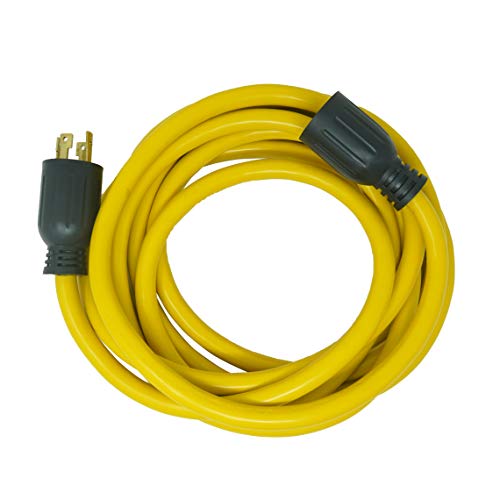
Pros
- Heavy-duty 10-gauge construction easily handles high-demand 30-amp generator output without excessive heat buildup
- L14-30 twist-locking connectors seat firmly and resist loosening from generator vibration
- Rugged weather-resistant jacket and molded plugs provide reliable outdoor durability in wet storm conditions
- Provides both 125V and 250V power capabilities to match standard 4-prong generator outlets and transfer switches
Cons
- Twenty-foot fixed length may be too short for larger properties requiring extended generator clearance from living areas
- Four-prong L14-30 configuration is not directly compatible with 3-prong standard household outlets or 50-amp inlets without adapters
- Thick 10-gauge rubber jacket can become stiff and more challenging to coil in sub-freezing winter weather
The Southwire 20-Foot 10-Gauge Generator Cord is a heavy-duty electrical accessory engineered for portable generator owners who need a secure, high-capacity power connection for emergency home backup, RV hookups, or demanding worksites. Configured with industry-standard NEMA L14-30 twist-locking ends on both sides, this cable functions as a critical link between an outdoor portable generator and a home power inlet box, manual transfer switch, or secondary distribution panel. It is tailored specifically for homeowners preparing for seasonal severe weather, rural property owners managing utility blackouts, and campers operating high-draw RV air conditioners and appliances.
In terms of electrical capacity, the cable is rated for dual-voltage 125V/250V operation and delivers up to 30 amps of current. Utilizing thick 10-gauge wiring, the cord facilitates reliable power transfer while minimizing line resistance and voltage drop over its 20-foot span. This dual-voltage capability allows homeowners to supply balanced 120-volt electricity across multiple home circuits or power 240-volt loads through an interlock or transfer switch, keeping essential equipment such as refrigerators, freezers, sump pumps, and well pumps functioning during an outage.
Build quality focuses on heavy-duty outdoor endurance. Southwire incorporates a weather-resistant outer jacket and fully molded plug ends that protect electrical conductors against rain, snow, ultraviolet sunlight, and typical worksite abrasion. The twist-lock interface is especially valuable for portable generator use because engine vibration can gradually wiggle conventional straight-blade plugs out of their sockets. With the L14-30 locking mechanism, a quick clockwise twist locks the plug firmly into place, maintaining a secure electrical contact even during extended generator operation.
Managing and routing the cable is straightforward due to its molded grips, which make plugging, twisting, and unplugging simple even when wearing work gloves. At 20 feet, the cord allows operators to place their fuel-burning portable generator outside and away from open windows, doors, and vents, reinforcing safe generator placement practices to protect households from hazardous carbon monoxide exhaust. When the power restoration is complete, the cable coils neatly for compact storage in a garage shelf, utility closet, or RV storage bay.
A realistic limitation is that a 20-foot reach may not accommodate every residential layout, especially where local codes or property lines require placing the generator further down a driveway or behind a detached structure. Furthermore, the specialized four-prong L14-30 locking ends fit only matching 30-amp receptacles and inlets, meaning users cannot plug directly into standard 15-amp household wall outlets or 50-amp RV connections without separate, compatible adapters. The thick insulation also tends to stiffen in freezing conditions, requiring extra effort to unroll during winter ice storms.
For any homeowner or outdoor traveler equipped with a 30-amp portable generator and a compatible L14-30 inlet, the Southwire 20-Foot 10-Gauge Generator Cord provides a dependable, high-quality power connection built to withstand demanding conditions. Its heavy-duty construction, dual-voltage versatility, and positive locking connectors make it an essential, confidence-inspiring component of a comprehensive storm-preparedness plan. Buyers should simply confirm that their generator receptacle matches the L14-30 pattern and that a 20-foot length satisfies their outdoor safety clearance needs.
The Southwire generator cord utilizes NEMA L14-30 male and female connectors, which represent the standard four-wire interface found on many mid-to-large portable generators and home power inlet boxes. The four-wire configuration includes two hot lines, one neutral wire, and one equipment ground wire, allowing the cable to carry both 125-volt and 250-volt electrical circuits simultaneously up to a 30-amp threshold.
This layout is specifically designed to mate with outdoor generator inlet boxes wired directly to household manual transfer switches or interlock kits. Homeowners should never attempt to connect a portable generator to household wiring through standard indoor wall outlets, as dangerous backfeeding can energize external power lines and pose severe risks to utility workers. Using an L14-30 cord with an approved transfer switch ensures that portable generator power remains safely isolated from the electrical grid.
For RV owners and jobsite contractors, this cable pairs effectively with compatible distribution boxes or L14-30 adapter plugs. Before purchasing, verify that your portable generator features a 4-prong twist-lock 30-amp outlet rather than a 3-prong twist-lock (such as L5-30) or a straight-blade RV receptacle (such as TT-30), ensuring direct compatibility without the need for secondary adapters.
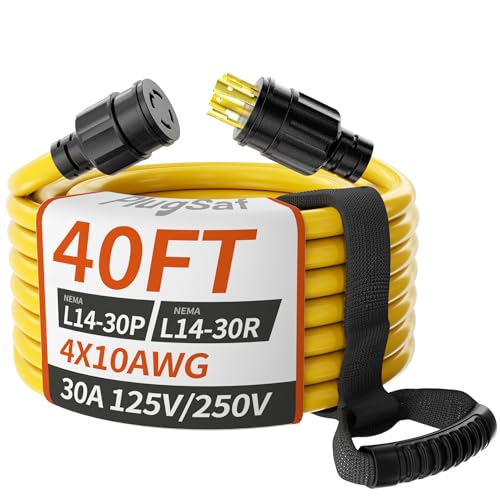
Pros
- Generous 40-foot length provides extra placement flexibility compared to standard 25-foot generator cables
- Heavy 10 AWG pure copper wiring reliably handles full 30-amp continuous and surge loads up to 7,500 watts
- Secure 4-prong NEMA L14-30 twist-lock interface resists loosening from engine vibrations
- Weatherproof STW outer jacket resists cold cracking down to -40°C and stands up to rain and UV exposure
- Included adjustable storage strap simplifies coiling and garage wall storage
Cons
- Heavy-duty 10-gauge construction across 40 feet creates a moderately heavy and stiff bundle to coil in cold weather
- Requires a matching 4-prong NEMA L14-30 outlet and will not connect directly to 3-prong (TT-30 or L5-30) generator receptacles without an adapter
- Limited to 30-amp output and cannot support high-draw 50-amp home backup generator setups
The PlugSaf 40-Foot 30 Amp Generator Cord is a heavy-duty electrical accessory designed to deliver reliable power transfer between a portable generator and a home manual transfer switch, outdoor power inlet box, or compatible RV system. Built specifically for American homeowners preparing for severe weather outages, rural property owners, and outdoor enthusiasts, this cable provides the essential physical bridge needed to distribute portable generator output to household essentials. Featuring a standard 4-prong NEMA L14-30 configuration, it fits the high-demand 120/240V twist-lock outlets found on most mid-sized portable generators.
Electrical capacity is anchored by thick 10 AWG copper conductors capable of handling up to 30 amps continuously. The cord is rated for dual-voltage operation at 125/250 volts, providing up to 3,750 watts on 125-volt lines and up to 7,500 watts across 250-volt applications. This rating aligns well with typical 5,000 to 7,500 running watt portable generators, allowing homeowners to power prioritized household circuits such as refrigerators, well pumps, furnace blowers, and lighting networks when connected through a properly installed manual transfer switch or interlock kit.
Durability is reinforced through an outdoor-rated STW thermoplastic jacket that offers flame resistance, heat protection, and abrasion resistance. The manufacturer specifies an IP65 weather-resistance rating, meaning the assembly can withstand outdoor exposure to rain, direct sun, and sub-zero temperatures down to -40°C without cracking. Molded connector heads on both the NEMA L14-30P male plug and NEMA L14-30R female connector include integrated finger grips and molded strain reliefs, which reduce mechanical stress on the internal wire connections when twisting or disconnecting the cable.
The generous 40-foot length provides a significant safety advantage over common 20-foot or 25-foot cords. Fuel-burning portable generators produce deadly carbon monoxide gas and must always be operated outdoors in well-ventilated areas far away from doors, open windows, vents, and living spaces. Having 40 feet of heavy-gauge cable gives users the necessary slack to locate the generator safely downwind and behind protective outdoor barriers while keeping the twist-lock connection secure and vibration-free throughout prolonged storm outages. An included adjustable cord organizer makes it easy to bundle the cord and hang it in a workshop or utility room when not in use.
Despite its durability, buyers should keep a few practical limitations in mind. At 40 feet long with four 10-gauge conductors, the cord is noticeably bulky and requires deliberate effort to coil, especially in freezing weather when thermoplastic jackets naturally stiffen. Furthermore, this is strictly a 30-amp 4-prong connection; it cannot interface with 50-amp home inlet boxes (CS6375 or 14-50) or 3-prong 120V generator receptacles (like TT-30R or L5-30R) without specialized adapters. Homeowners should also remember that connecting a generator to home wiring must always be performed through dedicated transfer equipment installed by a qualified professional, never by backfeeding through standard household wall outlets.
For homeowners and RV owners whose portable generators feature a 30-amp 120/240V twist-lock receptacle, the PlugSaf 40-Foot 30 Amp Generator Cord offers a balanced combination of extended reach, robust 7,500-watt power delivery, and rugged all-weather build quality. It provides an efficient and safety-conscious link between an outdoor portable power plant and critical indoor circuits during unexpected blackouts.
Using a 40-foot cord like the PlugSaf L14-30 significantly improves generator placement flexibility during emergency power outages. Because portable generators emit dangerous carbon monoxide fumes, they should never be operated inside a home, garage, shed, basement, or enclosed porch, regardless of open windows or built-in CO sensors. The extra length over standard 25-foot cords allows homeowners to place the operating generator at an adequate distance from exterior walls and ventilation intakes.
To utilize the full 30-amp, 125/250V capability of this cord for home backup, the female NEMA L14-30R end should connect directly to an outdoor power inlet box wired to a manual transfer switch or mechanical interlock panel. This setup prevents hazardous backfeeding into the utility grid, protecting utility line workers while ensuring that connected household appliances receive balanced, switch-controlled power.
The PlugSaf cord features a NEMA L14-30P male plug on one end and a NEMA L14-30R female receptacle on the other, both utilizing a 4-prong twist-lock interface. Rotating the plug clockwise after insertion locks the prongs firmly into place, preventing accidental disconnection caused by engine vibrations or tugging. This makes it compatible with portable generators equipped with a 30-amp 120/240-volt twist-lock outlet.
Constructed with four 10 AWG copper conductors, the cord meets STW service requirements, denoting an extra-hard-service thermoplastic jacket rated for outdoor, weather-resistant use. With a maximum continuous threshold of 30 amps and peak throughput of 7,500 watts at 250 volts, the cable is properly sized to minimize voltage drop over its 40-foot run when operating within manufacturer load limits.

Pros
- Heavy-duty 10/4 pure copper conductors safely carry up to 30 amps and 7,500 watts at 120/240 volts.
- NEMA L14-30 twist-lock connectors seat firmly into matching inlets to prevent accidental disconnects during severe weather.
- ETL certified with an IP65 rating and cold-weather tolerance down to -40 degrees Celsius for dependable outdoor storm use.
- Bright green jacket provides strong contrast against grass, gravel, and snow for improved jobsite and campsite safety.
Cons
- The 10-foot length is short for outdoor generator use and requires your generator pad to be directly adjacent to the inlet box while maintaining carbon monoxide clearance.
- Restricted to 30-amp 4-prong L14-30 equipment and cannot plug into 3-prong 120-volt outlets or 50-amp high-output receptacles without dedicated adapters.
- Product documentation contains conflicting wattage labels, referencing 2,500 watts at 125 volts alongside 7,500 watts at 250 volts.
The EP 10-foot 30-amp generator outdoor extension cord is a dedicated power transfer accessory built to link a portable generator to a home backup system, RV hookup, or heavy-duty jobsite distribution box. Equipped with standard 4-prong NEMA L14-30 connectors on both ends, this cord serves homeowners preparing for storm outages as well as outdoor power users who need a heavy-duty, commercial-grade connection. Because it is specifically engineered for 30-amp generator circuits, it bridges the gap between your outdoor generator's 120/240-volt twist-lock outlet and your home's exterior electrical inlet.
Electrical capacity is a primary consideration when selecting power transfer cables, and the EP cord utilizes a true 10-gauge, 4-conductor (10/4 AWG) arrangement made from 100 percent oxygen-free pure copper wire. The manufacturer notes compatibility with 30-amp loads and up to 250 volts, allowing the cable to carry up to 7,500 watts of continuous electrical output. While the product specifications also list a lower 2,500-watt rating at 125 volts, a standard 10/4 L14-30 configuration is electrically rated to distribute up to 3,750 watts across each 120-volt leg, reaching the full 7,500-watt maximum when supplying split-phase 240-volt circuits through a transfer switch. This makes the cord capable of supporting demanding residential emergency loads, including well pumps, furnace blowers, refrigerators, and multiple lighting circuits simultaneously.
Outdoor durability is reinforced through an ETL-certified SJTW jacket rated to IP65 water-resistance standards. The outer thermoplastic insulation is engineered to resist heat, flame, abrasion, and sunlight, while retaining its pliability in extreme winter cold down to -40 degrees Celsius. The ends feature robust molded male L14-30P and female L14-30R connectors with an integrated twist-lock mechanism. Once inserted and twisted into place, the connection stays locked, preventing accidental detachment if the cord is tugged or struck by falling tree branches during windy storms.
In practical day-to-day handling, the 10-foot length makes this cable exceptionally easy to transport, coil, and store in a garage, emergency bin, or RV basement compartment. The high-visibility green jacket provides an added layer of safety around a busy yard or jobsite, ensuring the cord is clearly visible against grass, soil, or snow to reduce tripping hazards during evening refueling or outage setups. Connecting the cord is straightforward: align the L14-30 prongs with your generator outlet, turn to lock, and run the matching female end into your manual transfer switch power inlet box before starting the generator outdoors.
The most significant limitation of this cord is its brief 10-foot span. All fuel-burning portable generators emit toxic carbon monoxide and must be operated strictly outdoors in well-ventilated spaces, positioned well away from doors, windows, and fresh-air vents. A 10-foot cord leaves very little placement margin, meaning it will only work if your exterior generator inlet box is situated on an open exterior wall directly adjacent to an outdoor concrete pad or clear gravel area. Homeowners whose safe outdoor generator placement area is 15 to 25 feet away from the house will need a longer cord to maintain safe operating distances.
For households that already have a dedicated outdoor generator pad located right next to their power inlet, the EP 10-Foot 30-Amp Generator Extension Cord delivers reliable heavy-gauge copper performance at an accessible price point. Its pure copper construction, solid twist-lock hardware, and cold-weather IP65 jacket provide dependable power transfer during critical winter storms and sudden utility blackouts. Buyers should simply measure the exact distance between their outdoor generator running position and house inlet before purchase to confirm that a 10-foot reach satisfies their home safety requirements.
The EP 30-amp generator extension cord uses industry-standard NEMA L14-30P (male plug) and NEMA L14-30R (female connector) fittings, which are the benchmark for residential portable generator connections across North America. The male plug inserts directly into any portable generator equipped with a 4-prong 120/240-volt 30-amp twist-lock receptacle, while the female end connects directly to standard outdoor power inlet boxes wired to a manual transfer switch or mechanical interlock kit.
This four-wire configuration carries two separate 120-volt hot lines, one shared neutral line, and an equipment ground, enabling the generator to safely balance household 120-volt utility circuits while also supplying power to 240-volt double-pole breakers. Under no circumstances should a portable generator cord be modified or plugged into standard household wall receptacles to backfeed a panel. Using a properly installed inlet box and manual transfer switch ensures electrical safety for utility line workers and prevents dangerous electrical overloads within your home.
When using any generator power cord, safe equipment placement is the single most critical factor. Fuel-powered portable generators produce deadly carbon monoxide gas and must always be operated outdoors in open spaces, positioned at least 20 feet away from windows, doors, crawlspaces, and exterior vents. A running generator must never be operated inside a home, garage, shed, covered porch, or enclosed breezeway, even if the doors or windows are left open.
Because this cord measures exactly 10 feet in length, buyers must ensure their exterior electrical inlet is located on an exterior wall that permits open-air generator staging with adequate clearance. If your home layout requires placing the generator around a corner, down a slope, or farther into the yard to avoid drifting exhaust, you should select a 25-foot or 50-foot 10/4 cord instead. Additionally, while the cord's SJTW jacket carries an IP65 weather-resistance rating, connection points should be kept elevated out of standing water, puddles, and direct heavy downpours using proper weatherproof inlet covers.

Pros
- Secure NEMA L14-30P twist-lock mechanism prevents disconnection caused by generator engine vibration.
- Heavy-duty 10/3 pure copper conductors safely handle the full 30-amp continuous 125V load up to 3,750 Watts.
- Compact 1-foot dogbone design relieves physical strain on the generator faceplate compared to rigid one-piece adapters.
- Durable STW outdoor-rated jacket provides weather, oil, and abrasion resistance for dependable outdoor deployment.
- Ergonomic molded grip handles make plugging and unplugging easy without pulling directly on the cable insulation.
Cons
- Measures 1 foot in total length, requiring a standard RV shore power extension cord to reach the camper.
- Draws from one 120V leg of a 125/250V receptacle, so it does not combine phases or supply 240V power.
- Requires a 4-prong NEMA L14-30R outlet on the generator and is incompatible with 3-prong L5-30R or standard household outlets.
The ELEGRP 30 Amp Generator to RV Adapter Cord is a heavy-duty dogbone electrical converter designed to bridge the gap between portable generators and recreational vehicles. Many mid-size to large portable generators feature a 4-prong NEMA L14-30R twist-lock receptacle delivering 120/240V power, while standard travel trailers and campers utilize a 3-prong NEMA TT-30P shore power plug designed exclusively for 120V systems. This adapter solves that interface challenge by converting a 30A 125/250V locking generator receptacle into a standard 30A 125V RV female receptacle, making it a valuable tool for RV owners, tailgaters, and homeowners using their camper as temporary quarters during severe storm outages.
In terms of electrical capacity, the adapter is rated for 30 Amps at 125 Volts, providing up to 3,750 Watts of continuous power delivery. The internal construction uses 10 Gauge (10/3 AWG) stranded wire made from 100 percent pure copper, ensuring high conductivity and minimizing voltage drop under heavy draw. The adapter taps into one 125V hot leg of the generator's 4-prong receptacle to deliver safe, balanced single-phase power to the RV's electrical panel. When paired with an appropriately sized generator, this 3,750-watt throughput is sufficient to run critical camper appliances, including a standard 13,500 BTU or 15,000 BTU RV air conditioner, converter-charger, and residential microwave within standard 30-amp limits.
Physical durability is a strong point of the ELEGRP adapter design. Wrapped in a rugged STW jacket, the cord is formulated to withstand harsh outdoor conditions, showing high resistance to moisture, oil, abrasion, and direct sunlight. The outer jacket maintains structural flexibility in cold weather and resists softening under high ambient summer temperatures. The NEMA L14-30P male connector features a molded twist-lock design that engages with a simple push-and-twist action, ensuring the cord remains seated despite continuous engine and frame vibrations from a running generator. On the receiving end, the molded NEMA TT-30R female connector provides a snug fit for your RV shore power cord to prevent terminal overheating.
Deploying the adapter is straightforward and engineered for panel protection. At 1 foot in overall length, this dogbone configuration allows the thick 10-gauge cable to flex naturally, preventing the heavy, rigid leverage that standard one-piece block adapters often place on generator faceplates. Both the male and female molded ends feature ergonomic finger grips, allowing users to pull the plugs apart safely without yanking on the cord ends or straining the internal wire terminations. Whenever setting up outdoor power, remember that any engine-driven generator must be positioned safely outdoors away from open windows and doors to eliminate carbon monoxide hazards, regardless of weather conditions or cord type.
Despite its heavy-duty build, buyers must keep several operational limitations in mind before ordering. This 1-foot adapter is strictly a converter, not an extension cord, meaning you will still need your travel trailer's standard 30-amp shore power cord to cover the distance between the vehicle and the generator. Additionally, because standard 30A RV electrical systems operate strictly on 120V, this adapter draws power from only one of the two hot legs in a 125/250V L14-30 generator receptacle. It does not provide 240V power, nor does it combine both legs to deliver 60 Amps. It is also incompatible with generators that only have 3-prong twist-lock outlets such as L5-30R, so inspecting your generator's control panel prior to purchase is essential.
Overall, the ELEGRP 30 Amp Generator to RV Adapter Cord is an excellent, cost-effective accessory for campers, contractors, and emergency preparedness households who own a portable generator with a 4-prong L14-30R outlet. It delivers solid build quality, verified compliance with UL specifications, and reliable 3,750-watt power transfer to keep essential RV systems running smoothly. RV owners whose generators already come equipped with a dedicated NEMA TT-30R RV outlet will not need this adapter, but for anyone looking to connect a standard camper to a 120/240V twist-lock generator, this dogbone converter provides a secure and durable electrical link.
The ELEGRP adapter cord features a male NEMA L14-30P twist-lock plug and a female NEMA TT-30R standard RV receptacle. The L14-30P connector is configured with four prongs (two hot, one neutral, and one ground) and requires a matching 4-prong NEMA L14-30R twist-lock receptacle on the generator panel. The TT-30R side provides the standard 3-prong 120V connection used by the vast majority of 30-amp travel trailers, pop-up campers, and motorhomes.
Electrically, the adapter delivers up to 30 Amps at 125 Volts, corresponding to a maximum continuous capacity of 3,750 Watts. The heavy-duty 10/3 AWG pure copper stranded wiring safely routes one 120V circuit leg to the TT-30R connector. Users should verify that their generator's continuous running wattage meets or exceeds their planned RV electrical demand, especially when operating inductive loads such as air conditioners that exhibit high starting surge requirements.
Complete Technical Wire Sizing Guide for 30 Amp Generator Connections
A 30-amp generator circuit requires 10 AWG copper wire for standard cable runs up to 100 feet to deliver safe, full-capacity electrical power. Copper conductors sized at 10-gauge offer the necessary cross-sectional area to handle 30 amps without excessive thermal stress or dangerous voltage drops. When physical cable runs exceed 100 feet from the generator to the inlet box, upsizing to 8 AWG copper wire becomes necessary to preserve operating voltage for sensitive household loads. Matching the wire gauge to your receptacle rating remains essential for personal safety, fire prevention, and electrical code compliance.
Standard Wire Gauge Requirements for 30 Amp Generator Circuits
Electrical safety codes mandate that conductor size must always correspond directly to the amperage rating of the upstream circuit breaker and generator receptacle. In portable power setups, 10 AWG copper conductors serve as the universal standard for all 30-amp power delivery systems. Sizing down to 12 AWG wire on a 30-amp plug is dangerous because 12-gauge wire is rated for a maximum of only 20 amps. Subjecting 12 AWG wire to a 30-amp generator load creates extreme resistive heat that rapidly degrades insulation and risks electrical fires.
The National Electrical Code classifies 10 AWG copper as suitable for 30-amp branch circuits under standard terminal temperature ratings. Equipment manufacturers design their 30-amp twist-lock plugs, including ENERLITES and MECMO industrial-grade connectors, specifically around 10 AWG conductor dimensions. Relying on 10 AWG ensures proper mechanical clamping within plug terminals without loose strands or compromised contact surface area. While aluminum wire requires stepping up to 8 AWG to carry 30 amps, pure copper remains the preferred choice for portable generator cords due to its superior conductivity and flexibility.
Conductor Counts: Three-Prong Versus Four-Prong Plugs
Determining the required wire count inside the cable jacket depends entirely on whether the generator outlet delivers 120-volt power or dual-voltage 120/240-volt power. A 120-volt 30-amp circuit, commonly found on RV campers and compact inverter units, utilizes a three-wire configuration designated as 10/3 AWG. This cable contains one black hot wire carrying 120 volts, one white neutral wire providing the return path, and one equipment grounding wire. Adapters such as the ELEGRP NEMA L5-30P to TT-30R use this heavy-duty three-conductor architecture to feed recreational vehicle electrical systems safely.
Dual-voltage generators equipped with a NEMA L14-30 receptacle require a four-wire cable assembly designated as 10/4 AWG. A four-conductor cable includes two ungrounded hot wires (typically black and red), one grounded neutral wire (white), and one equipment ground wire (green). Each hot leg supplies 120 volts relative to neutral, while measuring across both hot legs provides 240 volts for heavy household appliances. Open-ended cords designed for custom transfer setups, such as the Iron Forge Cable L14-30 replacement cord, feature these four clearly identified conductors for straightforward termination.
Selecting the wrong conductor count prevents proper system integration and creates severe operational hazards for connected equipment. Trying to feed a four-prong home inlet box with a three-wire cord deprives the household panel of either a dedicated neutral or a safety ground. Conversely, using a four-prong to three-prong dogbone converter allows a 120/240-volt generator to supply a 120-volt travel trailer safely by drawing from a single hot leg. Always examine the receptacle faceplate markings to confirm whether your setup requires a 10/3 or a 10/4 conductor cable assembly.
Calculating Voltage Drop and Distance Limitations
Electrical resistance increases in direct proportion to the physical length of the wire, causing delivered voltage to decrease between the generator and the load. Operating equipment under excessive voltage drop forces electric motors to draw elevated current, which causes compressor motors in refrigerators to overheat. Industry guidelines recommend limiting total voltage drop across a generator supply circuit to no more than 3 percent under full load. On a 120/240-volt 30-amp circuit, a standard 10 AWG copper cord easily maintains voltage drop below this 3 percent threshold for runs up to 100 feet.
When outdoor placement or noise considerations require placing the generator more than 100 feet from the house, 10 AWG wire can introduce unacceptable voltage sag. For cable runs measuring between 100 and 150 feet under a 30-amp load, stepping up to an 8 AWG copper cable keeps voltage drop within safe operating margins. Upsizing the conductor diameter lowers electrical resistance, ensuring that full line voltage reaches your transfer switch during heavy appliance startup surges. While heavier 8-gauge cables are stiffer and bulkier to coil, the thicker copper conductors provide necessary protection over long distances.
Voltage drop calculations become especially critical when running high-draw 120-volt appliances on single-phase generator circuits or RV hookups. Because 120-volt systems carry the entire 30-amp current over a single hot conductor and neutral wire, voltage drop accumulates faster than on balanced 240-volt lines. For dedicated 120-volt 30-amp applications exceeding 75 feet, monitoring delivered voltage under load helps verify that appliances receive adequate power. Choosing high-conductivity cords built with pure copper conductors, such as those made by EP and Vockjour, minimizes resistive heat loss across outdoor extension runs.
Cable Jacket Classifications: Portable Cords Versus In-Wall Building Wire
Distinguishing between flexible extension cords and permanent building wire prevents hazardous code violations in generator backup installations. Heavy-duty portable generator cables utilize stranded conductors protected by flexible thermoset or thermoplastic jackets designated as SJTW, STW, or SOOW. In standard electrical cable codes, “S” designates standard service, “J” indicates junior service rated for 300 volts, “T” denotes thermoplastic insulation, and “W” signifies weather resistance. Quality products like the Southwire 10-gauge generator cord utilize weather-resistant molded jackets engineered to withstand abrasion, oil, and outdoor temperature fluctuations.
Flexible cords must never be routed through interior walls, ceilings, floors, or doorways as a substitute for permanent building wiring. Electrical codes strictly prohibit running portable cords through building structures because enclosed heat cannot dissipate effectively and hidden physical damage cannot be inspected. For the permanent wiring that connects an exterior inlet box to an interior transfer switch, electricians install non-metallic sheathed cable (NM-B Romex) or individual THHN/THWN conductors in conduit. When installing in-wall wiring for a 30-amp inlet, 10/3 with ground NM-B copper cable provides the code-compliant method for dry indoor spaces.
Exterior conduit runs from an outdoor inlet box through a foundation wall require moisture-rated conductors that resist dampness and condensation. Individual 10 AWG THHN/THWN copper wires pulled through rigid PVC or metal conduit represent the standard professional practice for exterior-to-interior transitions. The THWN rating designates moisture resistance suitable for wet locations, while THHN covers dry, high-temperature environments. Combining heavy-duty STW or SJTW portable cords outdoors with proper THHN/THWN building conductors indoors creates a seamless, safe pathway from the generator to your household panel.
Connecting to Power Inlet Boxes and Manual Transfer Switches
Installing an exterior power inlet box provides the safest connection point between a portable generator and your home wiring. Outdoor kits like the RVINGPRO and VEVOR 30-amp inlet systems feature pre-drilled conduit knockouts and weather-sealed flip covers with integrated power indicator lights. The inlet contains a recessed NEMA L14-30P male twist-lock plug that connects to the female receptacle of your 10 AWG generator cord. This recessed configuration prevents exposed live male prongs at the cord end, eliminating severe electrical shock hazards during storm hookups.
Terminating 10 AWG conductors inside replacement plug bodies or inlet terminals requires careful attention to wire stripping and terminal screw torque. Replacement hardware like the ENERLITES L14-30P plug features color-coded terminals: brass screws for hot conductors, silver screws for neutral, and green screws for equipment ground. Stripping conductor insulation to the manufacturer-specified depth prevents exposed bare copper from contacting neighboring terminals or the plug housing. Clamping the heavy outer cable jacket firmly within the internal cord clamp prevents pulling tension from loosening terminal screw connections.
Connecting the incoming 10 AWG wiring to a manual transfer switch or mechanical interlock ensures safe power delivery to critical home circuits. A transfer switch mechanically isolates selected circuits from the utility grid, preventing dangerous backfeeding into neighborhood utility lines. During an extended outage, reviewing generator power restoration procedures helps homeowners safely switch loads back to utility power before shutting down backup equipment. Ensuring every 10-gauge conductor terminates securely under rated lugs within the transfer enclosure prevents loose connections and localized heating under load.
Grounding, Bonding, and Neutral Management
Proper wire sizing must accompany correct neutral and ground conductor management to ensure safety devices trip reliably during an electrical fault. In residential electrical panels, the neutral conductor and equipment ground are bonded together at the main service panel to establish a zero-volt reference. Most portable generators arrive configured with either a bonded neutral or a floating neutral depending on their intended standalone use. Connecting a generator to a house through a transfer switch requires matching the generator bonding configuration to the transfer equipment design.
When connecting to a standard transfer switch that switches only the hot legs without switching the neutral conductor, the generator should have a floating neutral. Having a bonded neutral at the generator while the household panel also bonds neutral to ground creates an illegal parallel return path. This parallel path routes normal neutral return currents across the equipment grounding wire, which can energize metal generator frames and cause ground-fault breakers to trip erratically. Verifying your generator neutral configuration ensures that your 10 AWG grounding and neutral conductors perform their dedicated safety roles.
Homeowners exploring emergency power strategies often evaluate alternative backup power options to determine whether fuel generators or battery systems best suit their household demands. Regardless of the system chosen, adhering to equipment grounding specifications remains non-negotiable for operator safety in outdoor environments. Portable generators feeding a home through a properly bonded transfer switch generally do not require a separate driven ground rod. The continuous green 10 AWG equipment ground inside the generator cord bonds the generator frame directly to the home grounding electrode system.
Common Wiring Mistakes and Overload Hazards
The most dangerous mistake homeowners make when connecting a portable generator is constructing or using an illegal double-male power cord. Attempting to backfeed a house by plugging a generator into a standard 15-amp or 20-amp wall outlet creates severe shock and fire hazards. This improper practice bypasses circuit breakers, overloads thin 12 AWG or 14 AWG household wiring, and sends dangerous voltage back into the utility grid. Backfeeding can electrocute utility line workers who are actively repairing downed power lines, making certified transfer equipment essential.
Another frequent error involves using lightweight consumer extension cords attached to a 30-amp receptacle via hardware store adapters. When an adapter steps a 30-amp generator outlet down to a 14 AWG or 16 AWG cord, the generator breaker will not protect the undersized cord from severe overloading. The thin cord can easily draw excessive current while powering heavy appliances, causing the plastic jacket to melt and ignite before a breaker trips. Every cable connected to a 30-amp outlet must utilize continuous 10 AWG conductors capable of carrying the full breaker capacity.
Failing to respect the continuous load rating of 30-amp generator plugs represents another common cause of melted receptacle faces and scorched terminals. Under continuous duty rules, electrical circuits should not be loaded beyond 80 percent of their maximum rating for extended operational periods. On a 120/240-volt 30-amp generator connection, 80 percent corresponds to 24 amps continuous load, or approximately 5,760 running watts. While the plug and 10 AWG wire manage temporary motor startup surges up to 7,500 watts, continuously drawing full 30-amp current accelerates contact fatigue and heat buildup.
Selecting the correct 10 AWG copper wire for your 30-amp generator plug ensures safe, reliable electricity transmission from your generator to your critical household circuits. By adhering to 10-gauge standards for runs under 100 feet and transitioning to 8 AWG for extended distances, you protect expensive appliances from brownouts and prevent severe thermal hazards. Always verify your specific plug configuration, whether utilizing a 120-volt three-prong or a dual-voltage four-prong connection, and route power exclusively through code-compliant transfer equipment. Taking the time to assemble quality copper wiring and certified inlet hardware provides true peace of mind whenever severe weather threatens the utility grid.


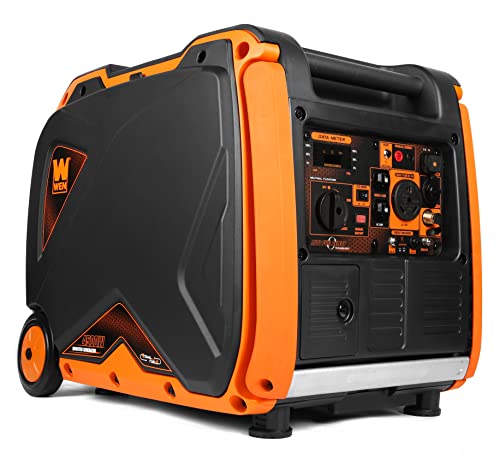


Write Your Review
No reviews yet. Be the first to share your experience!