


Severe storms and sudden electrical utility failures create an immediate need for emergency power, yet improper connections present severe hazards to both equipment and household occupants. Understanding where do you plug in a generator requires evaluating whether you are feeding essential appliances directly or routing power into a residential distribution panel. Navigating these connection points involves inspecting rated running wattage, surge thresholds, and the layout of essential generator electrical components to avoid overloading engine alternators. Setting up your electrical path correctly keeps critical systems running smoothly while safeguarding household wiring from catastrophic electrical damage.
Connecting power improperly can lead to hazardous utility backfeeding, burned circuits, or dangerous carbon monoxide exposure near residential windows. Whether you need to run a temporary backup generator for a refrigerator during an unexpected blackout or manage clean electricity for sensitive electronics, choosing the correct inlet box, transfer switch, or heavy-duty cord set is critical. Smaller specialty equipment such as indoor plug-in air devices follows entirely different connection rules by drawing utility power from wall receptacles rather than generating off-grid wattage. Taking time to map out your cords, panel interlocks, and appliance outlets ensures safe, dependable power delivery during any outage.

Connecting and Operating Generators Safely: Complete Guide to Power Inlets, Panels, and Extension Cords
Determining the correct location to plug in a generator depends on whether you are supplying freestanding appliances, integrating backup current into a home breaker panel, or powering a recreational vehicle. Making an improper electrical connection can destroy appliance microprocessors, ignite structure fires, or send lethal voltage back onto utility distribution lines. Outdoor combustion generators produce current through an engine-driven alternator head, requiring deliberate cord routing, dedicated inlet hardware, and rigorous safety spacing. Understanding how to interface these power sources with your home or gear ensures seamless performance without risking personal safety.
Direct Appliance Connections: Running Heavy-Duty Extension Cords from Onboard Outlets
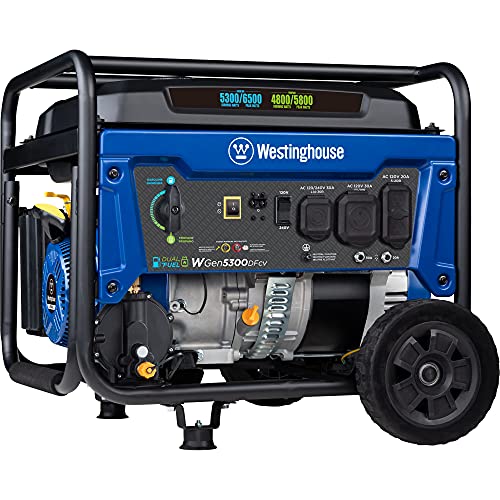
Connecting individual appliances directly to the generator control panel is the most common method for emergency backup and job-site power. Portable generators feature an assortment of onboard receptacles, including standard 120-volt NEMA 5-20R household outlets, 120-volt 30-amp twist-lock NEMA L5-30R ports, and 120/240-volt split-phase NEMA L14-30R receptacles. When plugging directly into these ports, you must use heavy-duty outdoor-rated extension cords labeled SJTW or STW. Standard light-duty household cords are unsuited for generator loads because their thin copper conductors create excessive electrical resistance, generating dangerous heat and causing damaging voltage sags.
Selecting the proper wire gauge prevents voltage drop over long runs between the generator and your living quarters. For continuous 15-amp loads extending up to 50 feet, a 14-gauge conductor is typically adequate, but extending that distance to 100 feet demands a thicker 12-gauge or 10-gauge cord to keep line loss below three percent. Inductive loads such as sump pumps, portable air compressors, and refrigerator motors demand significant inrush current when their compressors cycle on, which temporarily pulls high locked rotor amperage. If an extension cord is undersized, that starting surge drops the circuit voltage, causing the engine to bog down and tripping the onboard breaker.
Organizing your cords also requires careful load balancing across available generator circuits to maintain clean power delivery. Most dual-voltage open-frame generators split their 120-volt duplex receptacles across two separate winding phases inside the alternator stator. Plugging two high-draw thermal appliances into the same duplex circuit can trip a single branch breaker even if the engine has ample horsepower remaining. Distributing extension cords evenly across distinct generator outlets keeps the alternator stator windings balanced, prevents harmonic distortion spikes, and preserves clean voltage for sensitive electronics.
Powering a Home Electrical Panel: Manual Transfer Switches vs. Interlock Kits
Connecting a portable generator directly into a home electrical system requires dedicated isolation equipment to protect utility line workers from lethal electrical backfeeding. You must never plug a generator into a regular indoor wall receptacle using a double-male cord, commonly known as a suicide cord. Backfeeding an outlet energizes your entire home panel, bypasses system safety breakers, and steps voltage back up through the street transformer to 7,200 volts, presenting deadly hazards to utility line crews. Building codes and the National Electrical Code mandate a positive mechanical disconnect that physically prevents utility power and generator power from connecting simultaneously.
The standard connection point on a residential structure is an exterior power inlet box, which contains a recessed male NEMA L14-30P or 50-amp CS6375 plug protected by a weatherproof cover. You run a heavy four-conductor generator cord from the unit twist-lock outlet directly into this exterior inlet box, keeping the combustion engine outside while feeding power indoors. Inside the residence, the inlet box wires connect directly to either a dedicated manual transfer switch or an electrical panel interlock kit. Understanding these fundamental alternator and generator principles helps homeowners select the proper panel capacity and phase balancing for reliable residential backup.
A manual transfer switch isolates critical household branch circuits, such as furnace blowers, well pumps, lighting, and kitchen refrigeration, allowing you to switch individual breakers from line power to generator power. Alternatively, a mechanical interlock kit installs directly over the main service panel, sliding over the main utility breaker and a dedicated generator backfeed breaker. The steel sliding plate physically blocks the generator breaker from turning on until the main utility breaker is switched off. This interlock method energizes the entire panel busbar, allowing you to selectively power household circuits as long as the total running load remains within continuous wattage ratings.
RV and Travel Trailer Power: Connecting to TT-30R and 14-50R Receptacles
Recreational vehicles feature dedicated electrical systems designed to plug directly into shore power pedestals or mobile generators. Most small to mid-sized travel trailers utilize a 120-volt 30-amp configuration terminating in a distinctive three-prong NEMA TT-30P male plug. Many modern inverter generators come equipped with a native TT-30R receptacle on their control panels, allowing campers to connect their RV shore cord directly without cumbersome adapters. Operating a compact generator for RV power eliminates the need for bulky hardware while supplying steady, regulated current to rooftop air conditioners and onboard battery converters.
Larger fifth wheels and luxury motorhomes utilize a 120/240-volt 50-amp electrical distribution system requiring a four-prong NEMA 14-50P cord. If your generator only offers a 30-amp twist-lock receptacle, you must use a heavy dogbone adapter that splits the single 120-volt hot leg to feed both sides of the RV panel. While this adapter powers standard 120-volt outlets throughout the camper, it limits total continuous capacity to 3,600 watts rather than the 12,000 watts available at a 50-amp pedestal. Campers must manage their power consumption carefully under this configuration by staggering high-draw appliances like microwaves, water heaters, and air conditioners.
Campers frequently encounter ground fault errors when plugging advanced RVs equipped with built-in Energy Management Systems into portable inverter generators. These management systems constantly monitor line voltage and neutral-to-ground continuity, refusing to close internal contactors if they detect an open ground condition. Because most portable inverter units are built with a floating neutral where the neutral conductor is isolated from the metal frame, the RV monitoring system detects an improper circuit. Inserting an inexpensive neutral-ground bonding plug into an unused generator duplex receptacle bonds the neutral line to the frame ground, instantly resolving the error code and restoring power to the camper.
Outdoor Placement and Safe Operating Distances
Regardless of whether you plug appliances into cords or connect to an inlet box, generator physical placement is a non-negotiable life-safety requirement. Internal combustion engines produce high volumes of carbon monoxide, an invisible, odorless, and highly toxic gas that can cause incapacitation and death within minutes. A portable fuel-powered generator must always operate outdoors in an open-air environment at least 20 feet away from any residential structure. Placing a generator on a patio, under a carport, inside an attached garage with the door open, or in a basement is extraordinarily dangerous because exhaust drafts directly into living areas.
Exhaust direction requires equal vigilance to prevent lethal fumes from infiltrating your home through unintended openings. You should always position the engine muffler facing away from residential structures, windows, entry doors, crawl space vents, and soffit air intakes. Many newer generator models incorporate automatic carbon monoxide shutoff sensors that comply with ANSI/PGMA G300 or UL 2201 standards, cutting the ignition if carbon monoxide concentrations accumulate near the frame. While these safety sensors provide valuable emergency protection, they never replace proper outdoor placement and should never be viewed as permission to operate equipment in semi-enclosed spaces.
Weather conditions present additional electrical challenges when running cords outside during severe rainstorms or blizzards. Operating an exposed generator in standing water or wet precipitation introduces severe electrical shock and short-circuit hazards across exposed receptacle faces. You must never cover a running unit with plastic tarps or combustible materials that trap heat or obstruct airflow around the cooling fins and exhaust muffler. Utilizing a dedicated, flame-resistant running tent engineered specifically for portable generators shields electrical outlets and air intakes from driving rain while maintaining adequate ventilation for engine cooling and exhaust dispersal.
Grounding Requirements and Neutral-to-Ground Bonding Configurations
Understanding neutral bonding is critical when choosing where and how to plug in your generator for different applications. In electrical terms, portable generators are categorized as having either a bonded neutral or a floating neutral configuration. A bonded neutral generator connects the neutral circuit conductor directly to the equipment ground and the generator metal frame at the stator assembly. In contrast, a floating neutral system isolates the neutral circuit entirely from the chassis ground, meaning the frame does not serve as an electrical return path for alternating current.
When connecting a portable generator to a residential home panel through a transfer switch, the neutral configuration must match the switch design. Most standard residential transfer switches switch only the hot conductors while leaving the neutral line solidly connected to the main service panel, which already contains a utility bonding jumper. Connecting a bonded neutral generator to this type of non-separately derived system creates an illegal parallel neutral path, potentially causing nuisance tripping on generator GFCI breakers and sending stray currents through grounding conductors. For solid-neutral home transfer switches, an electrician will configure the generator with a floating neutral to maintain a single bonding point.
Conversely, job sites and standalone direct-plug applications follow opposite safety guidelines under occupational safety rules. When running power tools or individual appliances directly from generator receptacles, the unit must have a bonded neutral to ensure ground-fault circuit interrupters function correctly. If an internal equipment fault occurs in a connected power drill, the bonded path allows fault current to flow back to the stator, instantly tripping the breaker rather than energizing the tool metal casing. Driving a standalone copper grounding rod into the earth is generally unnecessary for portable generators unless specified by local electrical codes or when powering unbonded job-site distribution trailers.
Specialty Plug-In Devices: Understanding Indoor Negative Ion Generators
Consumer search queries regarding where to plug in a generator sometimes reference compact indoor air purification devices rather than large outdoor power equipment. Specialty products such as negative ion generators are compact electrical appliances designed to plug directly into standard indoor 120-volt wall receptacles. Unlike fuel-burning power stations, these electronic air treatment units consume minuscule amounts of household electricity to produce negatively charged ions, known as anions, that bind to airborne dust, pet dander, and odors. Because they emit zero carbon monoxide or exhaust gases, they are built exclusively for indoor use throughout bedrooms, home offices, and living spaces.
Operating a plug-in negative ion generator simply requires inserting the prongs into any standard household outlet and activating the control button. Many of these compact wall units utilize integrated microchips that cycle operation automatically, running for set intervals before pausing briefly to maximize internal component life. They operate virtually silently without motorized mechanical fans or expensive replaceable filter elements, relying on electrostatic dispersion to clear ambient room air. Maintaining these plug-in purification devices involves occasional exterior surface wiping with a dry cloth, keeping internal emitter pins free of lint buildup without requiring unit disassembly.
Safe Connection Checklist and Load Sequencing Protocol
Establishing a methodical connection routine prevents electrical surges, protects equipment alternators, and safeguards connected household electronics. You should always position the generator outdoors, inspect oil levels, and verify that all onboard circuit breakers are switched off before pulling the recoil cord or pressing the electric start button. Starting the engine without any electrical load allows the unit to reach its governed operating speed and stabilize output voltage. Plugging in appliances or engaging a home transfer switch while an engine is still cranking or idling roughly can send irregular voltage spikes into sensitive microprocessor control boards.
Once the engine runs smoothly at normal operating frequency, engage the main generator circuit breaker and begin connecting loads in a staged sequence. Connect your largest inductive appliances first, such as deep-well pumps, basement sump pumps, or refrigeration units, to allow the generator to absorb initial inrush surges without bogging down. After large motors settle into their continuous running cycles, you can connect smaller resistive loads like lighting, routers, and small electronics. This staggered approach prevents simultaneous motor starting demands from exceeding peak surge capacity, keeping your generator operating well within its engineered thermal limits.
When utility power returns or work is complete, reverse the entire connection sequence to protect generator components during engine shutdown. Switch off each individual appliance breaker or unplug extension cords from the generator panel before turning off the engine. Allow the engine to idle with zero electrical load for two to three minutes so cooling airflow can dissipate residual heat from the alternator windings and cylinder head. Finally, close the fuel valve and allow the carburetor to run dry if storing the equipment, ensuring your generator remains ready for reliable deployment during the next electrical outage.
Knowing exactly where to plug in a generator bridges the gap between raw emergency backup capacity and safe, dependable electrical distribution. Whether you connect heavy-duty extension cords directly to onboard panel receptacles, feed an exterior inlet box wired to an approved manual transfer switch, or connect an RV shore power cable, prioritizing proper wire sizing and neutral configurations prevents electrical failure. Maintaining a strict 20-foot outdoor operating distance protects your family from lethal carbon monoxide while delivering the steady wattage needed to weather any blackout.



Write Your Review
No reviews yet. Be the first to share your experience!