


Severe weather events and grid instability frequently leave neighborhoods in total darkness, forcing families to deploy backup power equipment to maintain refrigeration and sump pump operation. Many homeowners ask: do gas generators produce carbon monoxide during regular operation? The short answer is an unequivocal yes, as any equipment burning hydrocarbon fuel generates significant volumes of this invisible, odorless byproduct. Operating reliable portable gas generators provides vital electrical independence during an emergency, but combustion exhaust carries lethal hazards if mismanaged.
Portable generators lack the sophisticated catalytic emissions controls found on passenger cars, allowing raw engine exhaust to discharge dangerous levels of carbon monoxide directly into the surrounding atmosphere. Understanding how to manage exhaust dispersal and pairing your setup with capable home detection hardware is the difference between safe resilience and tragedy. Homeowners preparing home backup power setups must treat exhaust safety with the same discipline as electrical transfer switching and fuel storage logistics.
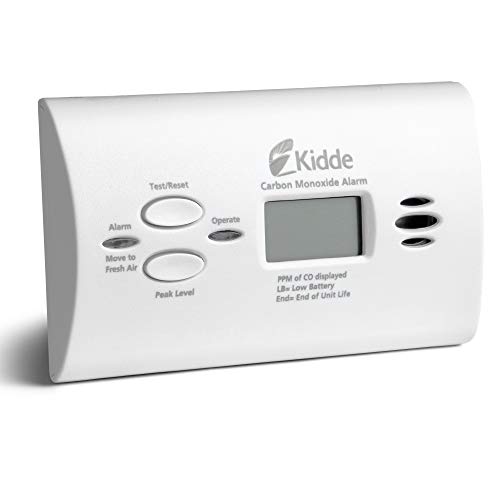
Pros
- Operates independently on AA batteries, maintaining continuous safety monitoring when household electrical power fails
- Loud 85-decibel alarm horn and clear LED lights provide unambiguous alerts for elevated carbon monoxide levels
- Compact and lightweight design allows versatile mounting on walls or freestanding placement on tabletops
- Simple single-button interface combines weekly test verification with a temporary low-battery hush function
- Carries a formal UL listing and a 10-year limited manufacturer warranty on the detector unit
Cons
- Requires regular AA battery replacements rather than using a sealed 10-year internal power cell
- Does not include a digital parts-per-million (PPM) screen for real-time numerical gas readouts
- Operates as a standalone unit without wireless interconnectivity to trigger other alarms across the home
The Kidde battery-powered carbon monoxide alarm is an essential life-safety accessory designed to detect hazardous carbon monoxide gas inside residential living spaces. For homeowners, renters, and RV owners building an emergency preparedness plan, this detector serves as a vital safeguard during power disruptions. Severe weather events frequently prompt the use of fuel-burning equipment such as portable generators and alternative space heaters. Because internal combustion engines emit toxic exhaust, having an independent, battery-powered alarm inside living quarters ensures continuous safety monitoring without relying on grid electricity.
According to the product specifications, the device utilizes electrochemical sensor technology to identify elevated concentrations of carbon monoxide gas. Power is supplied by two included AA batteries, which keeps the detection circuitry active through extended storm blackouts. If carbon monoxide accumulates to dangerous thresholds, the unit activates an 85-decibel alarm horn accompanied by a flashing red LED. Under normal operating conditions, a green LED indicates that the unit is receiving battery power. The integrated Peak Level Memory feature also stores the highest recorded carbon monoxide level since its last reset, assisting users and emergency responders in reviewing previous exposure events.
The physical housing measures 4.5 by 1.5 by 2.75 inches and weighs just 0.6 pounds, resulting in a compact footprint suitable for tight spaces. The manufacturer designed the detector for dual-purpose placement, allowing it to be permanently mounted to an interior drywall surface or placed upright on a nightstand, shelf, or tabletop. Maintenance is straightforward due to the front-facing Test-Hush button. This control allows users to perform routine horn and circuitry checks while also offering a way to silence nuisance low-battery chirps temporarily until fresh batteries are installed. The unit is UL listed and includes a 10-year limited manufacturer warranty on the alarm mechanism.
Installing this detector requires no hardwired electrical connections, which enables rapid deployment when preparing for approaching storms or setting up a seasonal campsite. During generator operation, this device adds a necessary layer of protection inside the home. Fuel-burning portable generators produce deadly exhaust and must always be operated outdoors far away from open doors, windows, and vents. A battery-powered indoor detector monitors for unexpected exhaust migration into living areas, though buyers should recognize that having a detector never justifies operating a generator in garages, porches, or indoor spaces.
Buyers should take note of several practical tradeoffs before purchasing this model. Because the alarm relies on standard replaceable AA batteries, owners must periodically replace cells to ensure continuous coverage, as the 10-year manufacturer warranty applies solely to the alarm unit and not the batteries. In addition, the device does not feature a backlit digital display to show continuous parts-per-million readings, nor does it interconnect wirelessly with other smoke or CO alarms in distant rooms.
The Kidde battery-operated carbon monoxide detector provides dependable, straightforward life-safety protection for emergency outage planning, home backup kits, and mobile RV travel. Its proven electrochemical sensor, audible 85-decibel horn, flexible tabletop mobility, and verified UL listing make it an exceptional value for safety-conscious households. For anyone using an outdoor backup generator or secondary heating source during power outages, pairing that power setup with dedicated indoor carbon monoxide detection is a necessary step in responsible backup-power management.
Operating a portable generator during a utility blackout demands rigorous attention to exhaust ventilation because engine combustion generates lethal carbon monoxide gas. The Kidde battery-powered carbon monoxide detector acts as an essential indoor safety monitor, functioning entirely on two AA batteries to protect household occupants even during comprehensive grid power failures.
According to safety principles, portable generators must always run outdoors at a safe distance from windows, doorways, and soffit vents. Placing this battery-operated alarm in bedrooms and main living zones provides early warning via its 85-decibel horn if changing winds or building layout issues cause outdoor generator exhaust to drift toward open interior spaces.
With dimensions of 4.5 by 1.5 by 2.75 inches and an overall weight of 0.6 pounds, this detector is exceptionally portable and easy to position. The absence of electrical cords allows users to mount the unit onto hallway walls using basic hardware or simply set it freestanding on a desk, nightstand, or RV counter.
The front-mounted Test-Hush button enables quick operational checks to confirm that the sensor and 85-decibel horn function as intended. This button also offers the practical ability to silence low-battery warning chirps temporarily, giving occupants time to replace the AA batteries without sacrificing peace of mind.

Pros
- Operates independently of household electrical power, maintaining active protection throughout blackout events and generator operation
- Digital display provides immediate visual feedback on carbon monoxide levels rather than relying solely on audible warnings
- Compact 0.5-pound tabletop or wall-mountable design allows flexible indoor placement wherever needed
- Peak level memory assists in tracking elevated carbon monoxide readings that occurred while occupants were away or asleep
- UL certification and a 10-year sealed lithium battery eliminate recurring 9V or AA replacement battery costs
Cons
- Dedicated solely to carbon monoxide detection and does not detect smoke, fire, or combustible fuel gases
- Sealed 10-year lithium power cell is non-replaceable, requiring full unit replacement once the end-of-life alert triggers
- Lacks wireless smart interconnectivity to communicate alerts across multiple detectors on separate floors
The Kidde 10-Year Battery Carbon Monoxide Detector (3rd Edition) is a standalone life-safety monitoring device engineered to detect hazardous carbon monoxide gas concentrations in residential living areas. For homeowners, renters, and emergency-preparedness planners running portable generators during utility blackouts, this detector serves as a critical indoor line of defense. Because fuel-powered generators produce lethal carbon monoxide exhaust and must strictly run outdoors, indoor CO monitoring is necessary to warn occupants if shifting winds or drafts push exhaust toward windows, doors, or soffit vents.
Equipped with advanced electrochemical sensor technology, the unit continuously monitors ambient air quality and triggers an 85-decibel audible alarm upon detecting dangerous carbon monoxide levels. A built-in digital display refreshes every 15 seconds, presenting real-time CO readings directly on the screen so occupants can observe subtle increases before emergency alarm thresholds are reached. Additionally, the integrated peak level memory records the highest concentration detected since the last reset or system test, providing crucial diagnostic information for emergency responders or HVAC technicians.
The device features a compact white housing measuring 4.5 by 1.5 by 2.75 inches and weighing just half a pound, making it both unobtrusive and structurally durable. A trio of dedicated LED status lights provides immediate visual confirmation of operating conditions: green confirms standard operation, red signals active carbon monoxide detection alongside the horn, and amber indicates when the unit has reached the end of its 10-year operational life. It carries UL certification and is supported by a 10-year limited manufacturer warranty, ensuring long-term hardware reliability.
Operating on a factory-sealed 10-year lithium battery, this detector requires zero electrical wiring and remains fully functional throughout severe weather blackouts when utility power is down. The versatile form factor allows immediate tabletop placement on a nightstand or shelf, as well as straightforward wall mounting using standard household hardware. When operating a portable generator, homeowners should install detectors outside sleeping quarters and on every conditioned floor of the house, while maintaining proper generator clearance outdoors.
While highly effective at detecting carbon monoxide, the unit does not detect smoke, fire, or explosive fuel gases such as natural gas or propane. The internal 10-year lithium power supply cannot be replaced, meaning the entire assembly must be decommissioned and replaced when the amber end-of-life signal initiates. Furthermore, the standalone design lacks wireless interconnected capability, which means an alarm triggered on one level of a large residence will not automatically trigger remote units on other floors.
The Kidde 10-Year Battery Carbon Monoxide Detector is a highly recommended safety investment for any household preparing for storm outages, operating portable inverter or dual-fuel generators, or heating with fuel-burning appliances. Its wire-free installation, continuous battery operation during blackouts, and real-time digital display deliver peace of mind without the burden of annual battery swaps. It provides reliable, code-compliant carbon monoxide monitoring that complements any home emergency backup power strategy.
Operating a portable generator during an extended electrical blackout introduces significant carbon monoxide safety obligations for households. Fuel-burning generators must never be operated inside a home, garage, basement, crawlspace, shed, or partially enclosed space, regardless of open doors or ventilation fans. Even when placed outdoors, dangerous carbon monoxide fumes can migrate inside through cracked windows, exterior doors, dryer vents, or attic soffits under specific wind patterns.
Standard hardwired household carbon monoxide alarms frequently go dark during storm outages unless backed by functional secondary batteries. The Kidde 10-Year Battery Carbon Monoxide Detector solves this vulnerability by operating entirely on an internal sealed lithium battery, ensuring round-the-clock detection performance while the electrical grid remains offline. Positioning this unit in adjacent living areas provides early warning if outdoor generator exhaust drifts back toward the residence.
In addition to audible alerts, the unit's digital readout helps homeowners verify ambient air quality before concentrations become acute. For families using portable power stations, gas-powered inverter generators, or dual-fuel generators during winter storms or hurricanes, maintaining dedicated battery-powered CO monitoring is an indispensable component of safe backup-power operation.
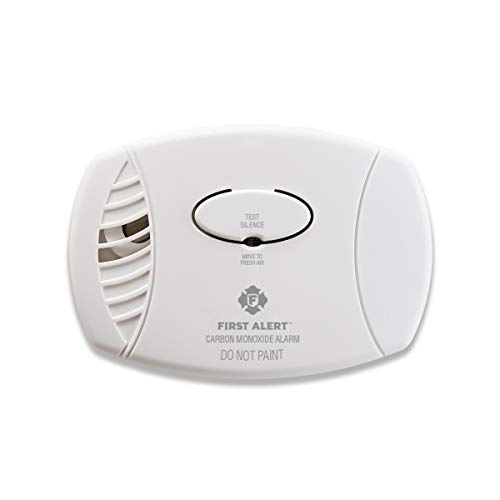
Pros
- Battery backup maintains continuous CO monitoring during power outages when backup generators or secondary heaters are in use.
- Loud 85-decibel alarm provides an unmistakable audio alert during dangerous carbon monoxide exposure events.
- Standard plug-in installation requires no wiring and preserves mobility between living areas and sleeping quarters.
- Backed by a 7-year limited warranty and verified compliance with recognized UL testing standards.
Cons
- Requires periodic battery replacements over time to ensure continuous protection during primary utility outages.
- Lacks a digital parts-per-million (PPM) concentration display, providing only an audible alarm when threshold levels are reached.
- Occupies a standard wall outlet that cannot simultaneously power other household appliances if space is limited.
The First Alert CO605 is a plug-in carbon monoxide alarm designed for residential living spaces, serving as a critical safety accessory for households utilizing portable generators or managing grid blackouts. Because fuel-burning generators, combustion heaters, and running appliances produce dangerous exhaust fumes, placing dependable CO detectors throughout a home is vital for storm readiness and emergency backup power plans. This compact unit plugs into any standard household electrical outlet and features battery backup, ensuring uninterrupted indoor air quality monitoring for homeowners, renters, and families preparing for severe weather outages.
The detector relies on an advanced electrochemical carbon monoxide sensor engineered to accurately register elevated CO concentrations across residential rooms. A primary operational advantage during emergency power events is the included battery backup system, which allows the unit to monitor household air continuously even if primary utility power drops or a portable generator is briefly shut down for servicing. If carbon monoxide levels reach hazardous thresholds, the device sounds an 85-decibel alarm loud enough to wake sleeping occupants and provide immediate warning to evacuate or inspect ventilation.
First Alert constructs the CO605 with a compact footprint measuring 3.4 by 1.38 by 5 inches and weighing just over a quarter of a pound, keeping it unobtrusive against interior walls. The unit includes a single integrated button for routine system testing and quick alarm silencing, along with a low-battery mute feature that quiets intermittent chirps for up to eight hours. The manufacturer designs and tests this alarm to meet recognized UL safety standards, and it features an end-of-life signal chirp alongside a 7-year limited warranty to clarify when replacement is necessary.
Installing the detector requires simply plugging the device into an accessible wall receptacle on any level of the home, with safety guidelines recommending placement near sleeping areas and on each occupied story. For households running a portable generator outdoors during a blackout, this alarm acts as an indispensable indoor early-warning line against exhaust that might unintentionally drift toward open eaves, soffit vents, or nearby windows. It does not replace proper generator placement, as fuel-burning equipment must always run strictly outside far away from living quarters, but it adds an essential layer of interior security.
While the First Alert CO605 provides dependable threshold monitoring, it lacks a digital display to show real-time numerical parts-per-million (PPM) readings before an alarm threshold is triggered. The unit also requires standard battery maintenance to ensure the backup circuit remains operational during extended outages, and its physical body may partially crowd adjacent wall plugs on dual-receptacle wall plates. Additionally, while the alarm protects indoor living zones, it does not alter the strict outdoor operating rules required for portable or open-frame combustion generators.
For homeowners, emergency-preparedness planners, and rural property owners setting up portable backup power, the First Alert CO605 is a practical, cost-effective safety investment. Its combination of direct AC power, reliable battery backup during grid failure, electrochemical detection, and compliant UL testing delivers essential peace of mind during storm outages. Adding one unit to each level of the home and near bedrooms provides crucial early warning against the silent danger of carbon monoxide whenever alternative power or heating equipment is deployed.
Operating a fuel-burning portable generator requires strict adherence to outdoor placement protocols because engine exhaust contains high levels of odorless, colorless carbon monoxide. A generator must never be operated inside a home, garage, shed, basement, or enclosed porch, regardless of open doors or windows. The First Alert CO605 provides an essential second line of indoor defense, detecting toxic gas if wind currents or pressure differentials draw outdoor exhaust back toward home openings.
During winter storms and hurricane-induced outages, primary grid failure often disables standard household electronics, making battery-backed detection mandatory. The internal battery backup in the CO605 ensures the electrochemical sensor remains fully energized and vigilant, protecting sleeping family members when supplemental heating, cooking, or backup power equipment is actively in use throughout the neighborhood.
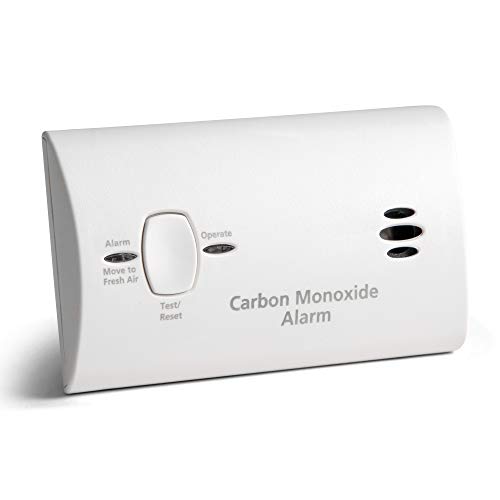
Pros
- Operates completely independent of the electrical grid using two replaceable AA batteries
- Loud 85-decibel horn and bright red LED provide clear, rapid notification of CO hazards
- Compact and lightweight design allows easy wall mounting or upright tabletop placement
- No hardwiring required, making it ideal for temporary storm backup setups, rentals, and RVs
- Integrated event memory preserves a record of recent alert triggers and test sequences
Cons
- Lacks a digital LCD screen to display real-time parts-per-million (PPM) gas concentrations
- Requires regular battery monitoring and replacement instead of using a sealed 10-year power cell
- Does not support wireless or hardwired interconnection with other household smoke or CO alarms
The Kidde 3rd Edition Carbon Monoxide Detector is a standalone, battery-powered safety alarm engineered to protect indoor living spaces against dangerous carbon monoxide accumulation. For homeowners, renters, and campers operating portable generators during utility outages, an independent CO detector is a mandatory line of defense. Fuel-burning generators running on gasoline, propane, or natural gas produce deadly, odorless exhaust fumes that can infiltrate homes through open windows, doors, or soffits if equipment is placed too close to the structure. This compact detector serves as a reliable, affordable safety monitor tailored for household backup scenarios, RV travel, and storm emergency kits.
Core detection performance is driven by electrochemical sensor technology, which specifically monitors the ambient air for elevated concentrations of carbon monoxide gas. When hazardous levels are detected, the device sounds an 85-decibel horn accompanied by an illuminating red LED to alert occupants immediately. Normal operational status is confirmed by an integrated green LED that pulses to indicate the unit is receiving power. Because the detector operates on two included AA batteries rather than household utility power, detection remains active throughout blackout conditions when portable backup generators are actively running.
Weighing just 0.23 pounds and measuring 1.65 by 4.72 by 2.83 inches, the white plastic housing has a minimal physical profile that fits easily into any room. The detector requires no electrical hardwiring, allowing users to mount it to an interior wall using standard mounting hardware or place it upright on a nightstand, shelf, or tabletop. This versatile design makes it exceptionally useful for RVers, campers, and renters who need immediate carbon monoxide monitoring without drilling into walls. The unit also includes an Event Memory feature that records whether carbon monoxide was detected since the device was last reset or tested.
Initial setup is straightforward, requiring only the insertion of the two included AA batteries into the rear compartment to activate the internal circuitry. A front-mounted test button allows homeowners to verify the horn and sensor function as part of routine household safety checks. While this detector provides an indispensable indoor safeguard, it is not a substitute for proper generator placement. Portable generators must always be operated outdoors in open spaces far away from windows, doors, and vents. A carbon monoxide alarm does not make running a generator inside a home, garage, basement, or enclosed porch safe under any circumstances.
The primary limitation of this model is the absence of a digital display, which means users cannot monitor low-level, background parts-per-million (PPM) readings before the 85-decibel threshold sounds. It also lacks interconnected communication, meaning an alarm triggered in a distant hallway will not sound secondary alarms located in bedrooms. Additionally, because the detector relies on standard AA batteries rather than an internal sealed lithium cell, users must regularly test the unit and keep replacement batteries on hand as part of their long-term storm preparedness routine.
For budget-conscious homeowners, RV travelers, and emergency-preparedness shoppers, the Kidde 3rd Edition Carbon Monoxide Detector provides dependable, essential protection at an accessible price. Its battery-operated design ensures that your living space remains protected during severe weather power outages when auxiliary power equipment is running outside. If you need portable, cord-free carbon monoxide detection for backup power safety, seasonal travel, or primary home monitoring, this unit provides practical peace of mind.
Using a fuel-burning portable generator during a power outage introduces significant carbon monoxide risks if equipment is operated incorrectly. Gasoline, propane, and dual-fuel generators produce lethal exhaust fumes that are completely invisible and odorless. Having battery-operated carbon monoxide alarms installed on every level of the home and near sleeping areas provides an essential safety net in the event that exterior exhaust fumes drift toward open windows or ventilation paths.
A carbon monoxide detector does not make indoor generator operation safe under any circumstance. Never operate a portable generator inside a home, garage, basement, crawlspace, shed, or enclosed patio, even if doors and windows are left open or fans are running. Generators should only be operated outdoors on a stable, level surface at a safe distance from all building openings and air intakes, with the engine exhaust pointed away from occupied structures.
Because utility power is down during an emergency outage, hardwired household alarms without battery backups will fail to operate. The battery-powered architecture of this Kidde detector ensures that indoor air quality monitoring remains fully functional throughout the blackout, providing critical warning signals while your generator keeps essential appliances running outside.
Understanding Carbon Monoxide Generation, Operational Safety, and Life-Saving Protection
Every internal combustion engine burns fuel through chemical oxidation, releasing mechanical power alongside hot gaseous byproducts. Because portable small engines operate with open-loop fuel delivery systems, complete combustion of gasoline or propane never occurs under standard working loads. Consequently, questioning whether do gas generators produce carbon monoxide leads to an urgent reality: small utility engines release massive amounts of carbon monoxide, often rivaling the combined exhaust output of dozens of modern automobiles.
The Combustion Chemistry Behind Engine Exhaust
Hydrocarbon combustion requires precise ratios of atmospheric oxygen and vaporized gasoline to achieve optimal chemical energy release. When an internal combustion engine runs rich or experiences fluctuating electrical loads from inductive appliances, the available oxygen within the combustion cylinder drops below the stoichiometric ideal. Under these air-starved conditions, carbon atoms in the fuel bond with a single oxygen atom to produce carbon monoxide rather than harmless carbon dioxide.
Automotive engines utilize electronic fuel injection, heated oxygen sensors, and catalytic converters to oxidize residual carbon monoxide into carbon dioxide before gases exit the tailpipe. In contrast, standard utility engines found on portable generators use simple carburetors without catalytic converters to control production costs and manage high exhaust temperatures. This open-loop mechanical design means that even small 2,000-watt inverter generators produce elevated concentrations of toxic gas straight from the muffler.
Higher electrical demands increase fuel flow to the engine block, proportionally multiplying the volume of toxic fumes produced per hour. A generator powering a high-draw 120V/240V split-phase load, such as a well pump or electric water heater, burns through significantly more fuel than an idling engine. As mechanical governors open the throttle butterfly to maintain 3,600 RPM or 60 Hz electrical frequency, raw carbon monoxide production accelerates dramatically.
Physiological Hazards and Exposure Thresholds
Carbon monoxide earns its reputation as an invisible killer because human sensory organs cannot perceive its presence. The gas has no color, no taste, and no distinct odor, allowing it to displace breathable air without triggering coughing reflexes. When inhaled, carbon monoxide crosses the alveolar membrane and binds to blood hemoglobin with an affinity roughly two hundred times greater than oxygen.
This biological reaction creates carboxyhemoglobin, which directly halts the circulatory system from delivering oxygen to the brain, heart, and vital tissues. Initial symptoms mimic common winter illnesses, presenting as low-grade headaches, mild dizziness, fatigue, and sudden nausea. Victims exposed during sleep or resting periods frequently lose consciousness before recognizing that their physical distress stems from toxic fumes.
Environmental concentrations measured in parts per million dictate how rapidly incapacitation occurs. Ambient levels around 100 parts per million produce noticeable physical symptoms within an hour or two of continuous exposure. At concentrations exceeding 400 parts per million, confusion and loss of consciousness happen swiftly, while levels above 1,000 parts per million can prove fatal within minutes of inhalation.
Outdoor Placement Rules and Clearance Protocols
Safe operation requires establishing a mandatory outdoor perimeter of at least 20 feet between your operating equipment and any occupied residential dwelling. Placing an active generator on a patio or adjacent to an exterior wall allows exhaust gases to drift directly toward doors, unsealed windows, and soffit attic vents. Thermal air drafts inside a warm house naturally pull cooler outdoor air inward, drawing invisible fumes through small wall gaps.
The muffler exhaust port must always face directly away from structures, prevailing wind directions, and neighboring occupied dwellings. In gusty storm conditions, wind currents hitting exterior building walls create low-pressure zones that actively pull rising exhaust plumes toward openings. Homeowners evaluating whole house natural gas generators benefit from permanent outdoor clearance planning that adheres strictly to National Electrical Code and building guidelines.
Physical tie-down points and heavy-duty extension cord routing should always respect this 20-foot perimeter without compromise. Attempting to shorten extension cord runs to reduce voltage drop by placing the engine nearer to the home introduces severe biological danger. Investing in heavy-gauge copper cords, such as 10 AWG or 8 AWG lines, maintains clean electrical delivery over proper safety distances.
Enclosure Traps, Breezeways, and Garage Hazards
A widespread and dangerous misconception suggests that running a generator inside an attached garage with the roll-up door open provides adequate ventilation. Physical airflow dynamics prove that an open garage door cannot prevent massive gas accumulation from penetrating the shared wall into living quarters. Carbon monoxide readily seeps around weatherstripping, passes through electrical outlet cutouts, and migrates into attic cavities above bedrooms.
Operating equipment under covered carports, enclosed porches, or screened breezeways presents an identical life-safety hazard. The overhead roof structure traps expanding thermal plumes, preventing the hot exhaust from naturally rising and dissipating into the upper atmosphere. Within minutes, trapped exhaust forms a dense toxic pocket that easily enters open windows or fresh-air HVAC intake louvers.
Inclement weather during snowstorms or torrential rain often tempts homeowners to pull power equipment into sheltered semi-enclosed spaces. If running an engine during severe weather is impossible without weather protection, consumers should evaluate purpose-built outdoor running covers or consider clean battery power stations that produce zero exhaust emissions. Modifying makeshift tarps or running engines under temporary wood lean-tos creates both toxic accumulation hazards and acute fire risks.
Deploying Dedicated Electrochemical Carbon Monoxide Detectors
Maintaining battery-backed carbon monoxide alarms across your living space is the most vital defensive layer when operating any fuel-burning power source. Modern alarms rely on electrochemical sensor technology, which utilizes a specialized platinum-infused chemical cell that generates an electrical current upon contact with gas molecules. This reaction allows the internal microchip to calculate precise parts-per-million levels and trigger an alert before concentrations reach dangerous thresholds.
During an extended utility outage, standard hardwired home alarms without independent battery power fail completely, leaving sleeping families unprotected. Units designed with sealed 10-year lithium batteries or replaceable alkaline cells ensure continuous atmospheric monitoring regardless of utility grid status. Installing detectors on every floor of the residence, specifically outside sleeping corridors and in mechanical rooms, guarantees prompt acoustic coverage.
Audible alarms must project sufficient sound pressure to wake sleeping occupants through closed doors and over ambient storm noise. Standard industry regulations mandate an 85-decibel alarm output measured at a distance of 10 feet from the device. This piercing siren cuts through background engine drone and mechanical rumble, providing unmistakable notification that dangerous gas infiltration is taking place.
Comparing Alarm Hardware for Storm Outage Resilience
Homeowners have several distinct hardware configurations to consider when upgrading their indoor environmental monitoring setup. The Kidde Carbon Monoxide Detector represents a permanent, maintenance-free solution featuring a sealed 10-year lithium battery that eliminates recurring battery replacements. Its integrated digital display updates every 15 seconds to display current parts-per-million readings, while peak level memory tracks past exposure events for post-storm analysis.
For flexible multi-room deployment or travel, portable battery-powered units provide dependable protection with minimal installation overhead. The Kidde Carbon Monoxide Detector operates on two standard AA batteries and includes dedicated LED status lights alongside a combined test-hush button. Similarly, the Kidde Carbon Monoxide Detector provides tabletop or wall-mount flexibility with an event memory module that logs when toxic gas was last detected.
Consumers who prefer continuous outlet-powered monitoring with blackout protection often select hybrid plug-in hardware. The FIRST ALERT CO605 Plug-in Carbon Monoxide Detector plugs directly into standard 120V household receptacles while maintaining an internal battery backup to preserve detection during power failures. This unit incorporates an end-of-life audible chirp, ensuring homeowners know exactly when the electrochemical sensor cell requires complete hardware replacement.
Integrated Generator Safety Shutoff Sensors (UL 2201 and ANSI/PGMA G300)
Modern generator manufacturing has increasingly embraced onboard safety shutoff sensors designed to mitigate accidental poisoning. Built to comply with standards such as ANSI/PGMA G300 or UL 2201, these electronic modules monitor carbon monoxide concentration in the ambient air immediately surrounding the unit frame. If the sensor detects lingering concentrations that suggest poor ventilation or enclosed operation, it interrupts ignition spark to shut down the engine.
While these integrated systems provide a valuable secondary safety net, they should never serve as a justification for operating an engine close to living spaces. Swirling winds or outdoor turbulence can disperse gas around the frame while allowing concentrated plumes to travel straight into a home window. Homeowners must treat automatic shutoff systems as supplementary fail-safes rather than primary safety measures.
Onboard sensors also require clean atmospheric conditions to prevent nuisance tripping during legitimate outdoor operation. Operating a generator too close to an exterior privacy fence or under a dense patio awning can trap residual exhaust around the engine chassis, causing false-positive shutdowns. Maintaining the proper 20-foot open-air perimeter ensures consistent engine operation while protecting household air quality.
Electrical Panel Interlocks and Cable Sealing Protocols
The method used to transfer electrical power from your generator into household distribution circuits directly impacts carbon monoxide infiltration risks. Running multiple heavy extension cords through cracked windows or slightly open entry doors breaches the building envelope, creating direct entry paths for outdoor exhaust. Mechanical interlock kits and manual transfer switches paired with an exterior power inlet box eliminate this vulnerability entirely.
An exterior NEMA inlet box, such as an L14-30P or CS6365 connection, allows a single heavy-gauge cord to connect the generator to the home without opening doors. Once the generator cord locks into the outdoor inlet, all doors and windows remain completely sealed against drifting fumes. This setup also isolates the home panel from utility lines under National Electrical Code requirements, preventing fatal electrical backfeed to line workers.
When running a permanent through-wall wiring sleeve for generator cables, homeowners must seal the penetration around the conduit using exterior-grade silicone or duct seal putty. Failing to seal exterior electrical conduit penetrations allows outdoor exhaust fumes to migrate through wall cavities and emerge inside basement breaker panels. Proper mechanical sealing ensures that toxic engine exhaust stays outdoors where it can naturally dilute into the atmosphere.
Emergency Action Protocols for Carbon Monoxide Alarm Activation
If an internal carbon monoxide detector sounds its 85-decibel alarm while your generator is running, occupants must react immediately without hesitation. Never waste valuable time searching for the origin of the leak or attempting to silence the unit before securing human safety. All occupants and household pets should evacuate the structure immediately into fresh outdoor air.
Once safely outside, perform a quick head count and call emergency responders or the local fire department from a mobile phone. Do not re-enter the home to shut off the generator or open windows until emergency personnel with calibrated atmospheric meters have cleared the dwelling. First responders possess proper breathing apparatus and detection tools to verify when ambient parts-per-million levels have dropped to baseline.
Operating emergency backup equipment requires a balanced approach between electrical preparedness and biological life safety. Gas generators provide indispensable security during extended grid failures, but their combustion byproducts demand strict respect and disciplined outdoor separation. By maintaining a 20-foot outdoor perimeter and deploying certified electrochemical alarms, homeowners can safeguard their electrical independence without compromising family health.





Write Your Review
No reviews yet. Be the first to share your experience!