


Severe winter blizzards and summer heatwaves routinely push municipal utility grids beyond their operational limits, leaving homeowners vulnerable to extended blackouts, burst water pipes, and spoiled refrigeration. Navigating the total investment required for dependable backup power means evaluating more than just the base retail equipment tag. Homeowners budgeting for resilience often ask how much to install home standby generator when calculating the combined expenses of utility permits, electrical service panel upgrades, gas plumbing runs, and site preparation. Exploring modern whole-house standby power systems provides clarity on how continuous capacity balances against complex outdoor installation requirements.
A turnkey residential setup depends heavily on the distance between your utility meter and the mounting pad, as well as the mechanical configuration of your transfer switch. Incorporating advanced automatic transfer switch setups ensures that your household transitions from utility feed to generator supply within seconds of a detected outage. The overall labor and materials required for code compliance typically match or exceed the expense of the hardware itself. Understanding these distinct trades and logistical steps empowers property owners to make confident, budget-conscious decisions before breaking ground on an emergency power system.

Pros
- Delivers fully automated emergency power without requiring manual pull-starting, cable routing, or refueling during storms
- Comes bundled with a transfer switch to streamline residential home-backup electrical installation
- Built-in cellular hardware allows remote status tracking and alert notifications without relying on home Wi-Fi uptime
- Sloped roof cabinet and cold-start engineering enhance system reliability in freezing or snowy winter conditions
- Protected by a 5-year limited warranty with year-round customer assistance
Cons
- Stationary 384-pound footprint requires dedicated pad placement, professional electrical installation, and offers zero portability for RV or jobsite use
- Full access to real-time mobile updates and remote control requires an ongoing Mobile Link premium subscription
- The 10kW capacity ceiling requires deliberate household load planning to prevent exceeding rated output when operating major appliances
The Generac 10kW Whole Home Generator is a dedicated residential standby generator system designed to deliver automatic backup electricity during utility grid failures. Unlike portable inverter generators that require manual positioning, pull-starting, and temporary extension cord routing, this stationary unit is permanently installed outside the home and pairs directly with an included transfer switch. When a power loss occurs, the system automatically detects the outage and initiates power delivery to keep critical household circuits operational. This automated architecture makes it especially appealing to homeowners and storm-preparedness planners who prioritize uninterrupted protection for refrigeration, lighting, heating, and cooling equipment without physical intervention during severe weather.
Electrical capacity is anchored by a 10kW continuous power rating designed to support essential residential circuits. While the manufacturer positions the unit for whole-house protection, overall coverage is strictly governed by simultaneous electrical demand and the startup surge requirements of connected motor-driven loads. Central air conditioners, well pumps, and electric heating elements draw significant wattage upon startup, meaning total running and starting loads must remain within the 10,000-watt threshold. Integrating the generator through the included transfer switch provides organized circuit distribution, but users must evaluate their simultaneous household loads to ensure continuous operation remains balanced within the rated output.
Under the enclosure, Generac utilizes electronic fuel and ignition control to optimize fuel consumption and deliver lower emissions compared to previous benchmark models. The generator cabinet is constructed in a neutral gray finish measuring 47.3 inches long, 25.6 inches wide, and 30.7 inches high, designed specifically for year-round exterior exposure. To maintain mechanical dependability in freezing environments, the enclosure features a sloped roofline and a rear air intake configuration that reduces the risk of ice and snow intrusion. Internal oil level sensors continuously monitor lubrication supply to protect internal components and ensure starting readiness before severe weather strikes.
System monitoring is handled through built-in cellular connectivity, allowing users to track generator status and operational readiness through the Mobile Link app. Because the hardware uses an onboard cellular connection, the monitoring system remains capable of sending maintenance alerts and operational status updates even if home internet routers lose power during an outage. However, complete functionality such as active remote control and real-time alerts depends on an ongoing Mobile Link premium subscription. Routine ownership responsibilities include monitoring oil levels and coordinating ongoing maintenance to preserve the terms of the included 5-year limited warranty.
Prospective buyers must weigh several practical limitations when comparing this standby system to alternative backup options. At a weight of 384 pounds, this unit is a fixed piece of exterior mechanical equipment that requires permanent outdoor placement, dedicated foundation preparation, and qualified professional installation to meet local building and electrical codes. It cannot serve recreational needs such as camping, tailgating, or mobile jobsite power where compact portable inverter generators excel. Furthermore, households with exceptionally heavy electrical demands or multiple large central cooling units may find that 10kW requires strict load prioritization during extended outages.
This Generac 10kW system is best suited for homeowners seeking reliable, automated emergency protection that operates independently whether the household is present or away. It provides substantial value for households in storm-prone regions that need hands-off power delivery, cold-weather resilience, and remote status visibility. Buyers looking for transportable power for RVs, travel, or off-grid work should instead select a portable inverter generator, while homeowners requiring whole-property coverage with simultaneous heavy heating and cooling loads may need to evaluate higher-output standby capacities.
Homeowners evaluating backup power often compare stationary home standby generators with portable inverter generators. The primary distinction centers on system architecture, deployment requirements, and operational intent. A standby generator like this 10kW Generac model is permanently wired into residential service panels via a transfer switch, providing automatic hands-off startup when grid power drops. In contrast, portable inverter generators rely on manual transport, pull or push-button starts, and localized power cords, serving users who require flexibility across home backup, RV travel, camping, and remote worksites.
Power conversion also differentiates these categories. Portable inverter generators utilize an internal inverter stage to produce low harmonic distortion power suitable for small, individual devices across jobsite and recreational environments. A 10kW standby generator provides a significantly higher centralized output to energize hardwired household equipment, such as furnace blowers, sump pumps, and kitchen refrigeration circuits, directly through the premises wiring. Choosing between them depends on whether a household prioritizes permanent, automated storm resilience or mobile, multi-use portable electricity.
The Generac 10kW standby generator integrates built-in cellular connectivity, eliminating reliance on residential Wi-Fi networks that frequently fail during widespread utility outages. This independent cellular link communicates operational data directly to the Mobile Link platform, allowing homeowners to confirm system readiness from a smartphone, tablet, or computer.
Through the Mobile Link app interface, users can observe operating status, review scheduled run routines, and receive notifications regarding required maintenance. It is important to note that access to real-time update alerts and direct remote control features requires maintaining an active Mobile Link premium subscription. Even without an active subscription, the cellular hardware remains an integral part of the generator infrastructure to assist service technicians with system diagnostics.

Pros
- Hands-free automatic operation initiates power delivery immediately during utility blackouts without manual cord setup
- Factory-integrated cellular monitoring enables equipment tracking from anywhere without home network dependence
- Cold-climate engineering with sloped enclosure and cold-start optimization protects reliability in freezing conditions
- Electronic fuel management delivers cost-efficient fuel consumption and reduced exhaust emissions
Cons
- Requires professional site preparation, permanent outdoor placement, and licensed electrical and fuel-line installation
- A 14kW capacity may require selective circuit planning or load management in larger homes with multiple central air conditioners
- Full access to advanced remote control functions and automated alerts requires an ongoing Mobile Link premium subscription
The Generac 14kW Whole Home Generator is a permanently installed home standby backup system engineered to provide automatic residential power during utility grid failures. Unlike portable emergency generators that demand manual transport, outdoor fueling, and extension-cord deployment in severe weather, this standby unit remains permanently mounted outside the home. When utility power drops, the system automatically detects the disruption and activates power delivery through its accompanying transfer switch. This architecture is purpose-built for homeowners, rural property owners, and families in storm-prone regions seeking seamless continuity for refrigeration, heating, cooling, lighting, and communication devices.
Rated at 14kW, this generator delivers substantial electrical capacity to maintain essential household circuits and primary living comforts. Generac positions this unit for whole-home backup protection, though actual household coverage depends on the total simultaneous running and starting demands of connected equipment. A 14-kilowatt threshold comfortably handles everyday loads like kitchen refrigeration, lighting arrays, sump pumps, and moderate climate systems. However, residences equipped with multiple central air conditioning compressors, electric furnace heat strips, or electric water heaters should carefully evaluate starting surge requirements. Proper load prioritization ensures that heavy motor startup demands remain within the generator's supported operating limits.
Engineered for year-round outdoor durability, the unit measures 46.4 by 26.3 by 30.7 inches and weighs 391 pounds. The protective outer cabinet features a sloped roof and a rear intake configuration specifically designed to prevent ice, snow, and moisture intrusion from blocking critical airflow paths. Under the hood, Generac incorporates electronic fuel and ignition control, optimizing fuel delivery for reduced operating emissions and improved economy compared to standard Guardian Series models. Enhanced cold-start capabilities and integrated oil level sensors protect engine integrity, verifying that the system is mechanically prepared to run continuously before severe winter storms strike.
Operational visibility is maintained through built-in cellular connectivity, connecting the generator directly to the Mobile Link smartphone application. Because the system utilizes dedicated cellular hardware rather than residential Wi-Fi, it maintains remote communication even if the home router loses power during an outage. Homeowners can check operational readiness, monitor exercise cycles, and track maintenance requirements from anywhere. Furthermore, this generator links with the Generac Home Energy Ecosystem, pairing smoothly with ecobee smart thermostats and Generac PWRcell battery storage. Certain advanced remote control features and continuous alert functions require an active Mobile Link premium subscription.
Because this generator is a permanent residential standby installation weighing nearly 400 pounds, setup requires careful planning and qualified trade execution. Installation necessitates outdoor concrete or pad placement meeting local clearance standards, connection to an approved continuous fuel supply, and electrical tie-in to the service panel via the transfer switch. While 14kW provides robust backup capability for typical households, it is not an unlimited power source for sprawling, high-demand estates with multiple high-tonnage HVAC systems. Routine maintenance, including periodic oil monitoring and general readiness checks, remains critical to ensure reliable automatic engagement when storms hit.
The Generac 14kW Standby Generator is a well-engineered emergency power solution for suburban and rural homeowners wanting reliable, automated protection without the manual handling of portable alternatives. It suits single-family households seeking to maintain essential refrigeration, well or sump pumps, and heating or cooling loads with the added reassurance of cellular monitoring. Buyers with exceptionally high concurrent 240V electrical requirements should verify their total household peak startup demand to ensure this 14kW configuration fits their long-term emergency power strategy.
The Generac 14kW standby generator features factory-installed cellular capability that bypasses domestic Wi-Fi networks, ensuring communication remains active even if household internet equipment fails during a blackout. Through the Mobile Link mobile app, users can check system status, verify weekly exercise cycles, and receive real-time maintenance notifications directly on their smartphones. Specific advanced control options and extended remote settings depend on an optional Mobile Link premium subscription.
In addition to cellular monitoring, this model connects directly into the Generac Home Energy Ecosystem. It supports integration with ecobee smart thermostats to help manage heating and cooling efficiency during outages, and works alongside Generac PWRcell battery backup systems. This cross-system capability allows homeowners to monitor energy flow across combined storage and generator installations, optimizing domestic power resilience during prolonged power emergencies.

Pros
- True Power Technology keeps harmonic distortion under 5% for sensitive household appliances and electronics.
- Mobile Link Wi-Fi provides remote operational tracking and maintenance notifications directly to mobile devices.
- Quiet-Test mode reduces engine RPM during scheduled diagnostic runs to reduce sound levels and conserve fuel.
- Dedicated standby design offers automatic emergency preparedness without manual outdoor deployment in bad weather.
Cons
- Requires professional installation by a certified electrician and connection to a permanent utility fuel supply.
- The 10kW output requires careful load prioritization and cannot run multiple large central AC units simultaneously.
- Permanent 338-pound outdoor installation makes this unit completely stationary with no portable flexibility.
The Generac Guardian 10kW (model 7171) is a permanently installed residential standby generator built to provide automated backup power during utility grid failures. Unlike portable emergency generators that require manual positioning, pull cords, and temporary extension leads, this stationary unit resides outside the home in a dedicated bisque-colored protective enclosure. It directly targets American homeowners who want a dedicated, reliable power safeguard for essential household circuits without handling fuel cans in the middle of severe storms.
In terms of electrical delivery, this Guardian model supplies 10,000 watts of clean electrical power backed by Generac True Power Technology. The manufacturer specifies that this system maintains total harmonic distortion (THD) below 5%, ensuring clean and steady voltage suitable for modern household electronics, appliances, and control boards. At 10kW, this generator is positioned for targeted essential circuit coverage or modest household electrical demands, making simultaneous load calculations vital before planning to connect demanding inductive equipment such as whole-house air conditioners or high-draw heat pumps.
Mechanical reliability comes from Generac's purpose-built G-Force engine, an overhead-valve design engineered and assembled in the USA specifically to endure the thermal stresses of standby power generation. To ensure the generator stays operational between outages, the unit includes a specialized Quiet-Test self-test mode. This routine runs the engine at a lower RPM than standard operating speeds, cutting fuel consumption and keeping neighborhood sound levels down during scheduled system exercises.
Ownership and management are streamlined through integrated Mobile Link Wi-Fi connectivity, allowing homeowners to track operating status, review runtime, and receive maintenance alerts remotely from a smartphone or tablet. The physical unit measures 27.2 by 26 by 26.5 inches and weighs 338 pounds, establishing a compact footprint alongside residential foundations. Generac recommends installation by a certified, licensed electrician, as proper implementation requires permanent utility isolation, compatible transfer equipment integration, and a qualified fuel supply hookup.
While 10kW provides solid protection for essentials like refrigerators, freezers, lighting, sump pumps, and basic household circuits, it does not represent an unlimited whole-house power solution for large, all-electric residences. Running several high-draw 240V appliances at the same time will easily exceed its 10,000-watt continuous rating. Furthermore, prospective buyers must factor in the professional installation requirements, permitting, and permanent fuel infrastructure rather than expecting a simple plug-and-play experience.
The Generac Guardian 10kW is best suited for suburban and rural homeowners seeking dependable, automated emergency preparedness to protect critical household circuits and preserve food and water management systems during severe weather. Buyers with expansive square footage, multiple central HVAC units, or fully electric heating will likely require a larger kilowatt capacity or dedicated load-management hardware. For moderate residential demands, this Guardian package delivers a proven, low-maintenance standby platform backed by a 5-year limited warranty.
Generac Quiet-Test mode resolves one of the most common complaints regarding residential standby generators by lowering the engine RPM during automatic self-test exercises. Routine exercise cycles are essential to circulate engine oil, lubricate internal seals, and verify electrical readiness, but running at full operational speed can disturb neighbors and burn unnecessary fuel. By throttling down during this diagnostic run, the G-Force engine operates noticeably quieter while conserving fuel during non-outage periods.
Complementing the low-speed self-test is Generac Mobile Link Wi-Fi connectivity, which connects the generator controller directly to your home wireless network. Through the Mobile Link platform, homeowners can check current operating status, track maintenance history, and receive immediate alerts when scheduled service or inspection is due. This remote visibility provides practical peace of mind when traveling or away from home during severe storm events, ensuring you know your backup system is prepared before severe weather strikes.

Pros
- Clean electrical output with less than 5 percent THD protects sensitive electronics, microprocessors, and variable-speed appliances
- Generac G-Force pressure-lubricated engine delivers purpose-built reliability tailored specifically for stationary generator duty
- RhinoCoat powder-coated all-aluminum housing offers superior corrosion resistance in humid or coastal environments
- Quiet-Test mode lowers operating sound levels and fuel consumption during regular exercise intervals
Cons
- Product listing does not indicate whether an automatic transfer switch (ATS) is bundled, requiring buyers to verify transfer equipment separately
- Requires professional site planning, permanent electrical wiring, gas line connection, and local permitting
- A 14kW output rating requires careful load planning and may not support multiple large central air conditioners or heavy 240V appliances simultaneously
The Honeywell 14kW Home Standby Generator is a permanently installed residential backup system engineered to deliver emergency power when the utility grid fails. Unlike portable generators that require manual outdoor placement, fuel storage, and extension cords during harsh weather, this stationary standby unit stays permanently connected to the home electrical infrastructure. It is designed for homeowners, storm-preparedness planners, and rural property owners who want reliable backup protection for critical household circuits without the logistical hurdles of manual generator deployment.
In terms of electrical performance, the system is rated at 14kW and driven by a purpose-built Generac G-Force engine. This engine features full pressure lubrication, which is designed to withstand the high thermal and mechanical demands of extended stationary generator runs while requiring less routine service than splash-lubricated alternatives. Power quality is managed by PrecisionPower Technology, maintaining total harmonic distortion (THD) below 5 percent. This clean waveform is critical for modern households because modern furnace controllers, smart televisions, laptop computers, and variable-speed appliances can experience malfunction or premature failure when powered by standard, high-distortion open-frame generators.
Enclosure construction and operational sound are key considerations for stationary outdoor placement. This Honeywell unit is built inside an all-aluminum cabinet finished with RhinoCoat powder coating, delivering corrosion resistance against rain, snow, salt air, and general weathering. For scheduled system checks, the generator features Quiet-Test Self-Test Mode. Instead of running at full operating speed during routine testing, the engine runs at a lower RPM for five or twelve minutes. This design choice noticeably reduces exercise noise and consumes less fuel over the course of year-round ownership.
System monitoring and ongoing maintenance tracking are managed through Honeywell's Sync Controller. Featuring a multilingual LCD display, the controller allows homeowners to view battery charge status and keep track of scheduled maintenance intervals so the generator remains in operating condition before storm season arrives. The unit measures 48 by 25 by 29 inches, establishing a compact exterior profile that fits standard residential pad installations while allowing proper clearance from exterior walls and openings according to local codes.
Prospective buyers should carefully consider equipment boundaries and installation scope. The supplied product data does not specify an included automatic transfer switch, so buyers must verify whether an appropriate switch and load-management modules must be sourced separately. Furthermore, home standby generators require permanent gas plumbing, dedicated electrical integration, and professional installation to comply with safety and municipal codes. While a 14kW generator provides ample continuous capacity for essential circuits, lighting, refrigeration, and selected cooling loads, running multiple high-demand 240V appliances simultaneously requires calculated circuit planning rather than an unmanaged whole-house assumption.
The Honeywell 14kW Home Standby Generator is best suited for homeowners seeking durable, automated home protection with verified clean power output and a weather-resistant aluminum build. It offers strong peace of mind for families in storm-prone regions who need reliable essential-circuit operation without manual labor. Households with larger square footage or multiple heavy 5-ton air conditioning systems should conduct a thorough wattage audit to determine if a 14kW capacity matches their peak starting and continuous load requirements.
Clean electrical output is essential when running modern residential equipment during an outage. The Honeywell 14kW generator incorporates PrecisionPower Technology, which limits total harmonic distortion to less than 5 percent. This level of power conditioning closely mirrors standard utility electricity, preventing overheating and operational glitches in sensitive microprocessors, smart appliances, home network systems, and inverter-driven HVAC equipment.
Mechanical reliability centers on Generac's G-Force engine, a pressure-lubricated motor built specifically for the operational demands of stationary backup generators. Because standby generators often sit idle between storm events before running continuously for multiple days, pressure lubrication ensures consistent oil delivery to internal moving parts under heavy electrical loads, supporting long-term engine life and extending routine maintenance intervals.
Planning for a 14kW standby installation requires understanding household power distribution and starting demand. Continuous loads like refrigerators, freezers, home lighting, and entertainment systems consume predictable running watts, whereas motor-driven equipment such as central air conditioners, sump pumps, and well pumps draw significant surge wattage upon startup. Homeowners must ensure their total simultaneous demand does not exceed the continuous 14kW capacity.
Because the product data does not list a bundled automatic transfer switch, buyers should consult with a licensed electrician to select compatible transfer switchgear, assess existing electrical panel capacity, and coordinate municipal permits. Proper exterior placement on an approved mounting pad, adequate fuel line sizing, and adherence to manufacturer clearance guidelines ensure safe and code-compliant operation throughout emergency outage events.
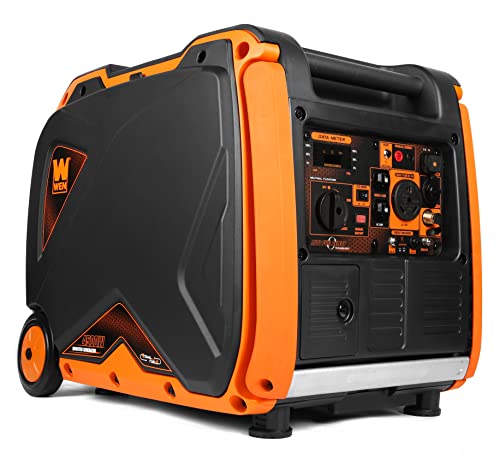
Pros
- Dual-fuel versatility with automated switching between propane and gasoline for flexible emergency planning
- Direct RV compatibility via a factory-installed NEMA TT-30R receptacle without requiring external adapters
- Quiet enclosed operation rated at 58 dBA at 22 feet under quarter-load conditions
- Mechanical fuel shut-off switch simplifies long-term maintenance by running the carburetor dry
- Onboard digital display tracks active electrical load and fuel levels
Cons
- Recoil start only, lacking an electric push-button or remote starting system
- Delivers 120V output only, making it unsuitable for multi-pole 240V household loads or transfer panels
- Substantial 100-pound dry weight requires two people to comfortably lift into high truck beds or SUV cargo areas
The WEN DF450i is an enclosed portable inverter generator designed for American RV travelers, outdoor enthusiasts, and suburban homeowners preparing for storm-related utility outages. Powered by a 212cc four-stroke engine that meets EPA III and CARB emissions standards, this model bridges the gap between ultra-compact recreational units and heavy open-frame industrial machines. Its dual-fuel capability allows users to run on standard unleaded gasoline or liquid propane, providing valuable logistical flexibility during extended emergencies when gas stations may face supply shortages or power loss.
Electrical performance centers on continuous 120V power conversion, making the DF450i capable of handling common portable and domestic loads within its stated limits. Operating on gasoline, the unit provides 4,500 starting watts to overcome brief motor inrush currents, settling into a continuous 3,500 rated watts. Propane operation yields an identical 4,500 starting watts and 3,150 continuous rated watts. The manufacturer notes that the inverter architecture produces clean power suitable for sensitive devices such as laptops, tablets, and smartphones. Electrical connections include two standard 120V three-prong household outlets, an RV-ready NEMA TT-30R receptacle, a 12V DC port, and a 5V USB port. Because runtime depends entirely on the fuel source, connected load, and environmental variables, users should actively monitor load requirements rather than assuming a static operating duration.
The build quality incorporates an enclosed casing tailored for noise attenuation and protection against travel wear. WEN rates the operational volume at 58 dBA at a distance of 22 feet under a quarter-load condition, which aligns well with noise-restricted campsites and residential backup situations. A prominent mechanical feature is the Auto Fuel Selection Technology, which can automatically transition operation from propane to gasoline when fuel supplies run down. Furthermore, an integrated fuel shut-off switch allows the engine to consume the remaining fuel within the carburetor before stopping, a proven practice for preventing sticky residue and carburetor maintenance headaches between infrequent uses.
Day-to-day operation relies on a traditional manual recoil pull-start mechanism, requiring users to pull the starting cord rather than pressing an electric ignition switch. Monitoring performance is made straightforward via a digital load and fuel display integrated into the main control panel, providing visibility into live wattage output and tank levels. While the unit weighs 100 pounds, mobility is facilitated by onboard rolling wheels and a sturdy folding handle, allowing single-person transport on smooth driveways and packed dirt trails. For home emergency preparedness, it can power essential extension cords routed safely to refrigerators, portable fans, lights, or communication stations.
Prospective buyers must weigh several realistic limitations before making a purchase. The DF450i provides only 120V single-phase power, meaning it cannot operate 240V appliances like central air conditioners, electric water heaters, or high-capacity well pumps. The reliance on manual recoil starting may also prove cumbersome for individuals seeking push-button convenience during harsh weather. Additionally, while the product data confirms clean power for sensitive electronics, it does not document an exact total harmonic distortion (THD) percentage, nor does it list built-in parallel capability for connecting multiple units together. As with any combustion engine, carbon monoxide output mandates that this generator must always be operated outdoors well away from occupied doors, windows, and ventilation intakes.
Ultimately, the WEN DF450i is well suited for RV campers seeking a plug-and-play 30-amp power source, as well as budget-conscious homeowners looking for a reliable, enclosed dual-fuel generator for critical 120V emergency essentials. Its balanced wattage, low quarter-load noise profile, and carburetor-saving fuel shut-off offer practical long-term utility. Shoppers requiring 240V output, push-button electric start, or whole-home capacity will need to consider larger open-frame dual-fuel generators or permanent standby systems instead.
The primary advantage of the WEN DF450i lies in its dual-fuel power generation, giving operators the freedom to choose between gasoline and liquefied petroleum gas (propane). On gasoline, the 212cc engine produces 4,500 surge watts and 3,500 continuous running watts, offering sufficient headroom for starting inductive loads such as compact sump pumps or modern refrigerators. Switching to propane delivers the same 4,500 surge watts with 3,150 running watts, reflecting the expected operational difference between the two energy densities.
A standout operational feature is WEN's Auto Fuel Selection Technology, which can automatically manage the transition between connected fuels to prolong total operating time without user intervention. Using propane provides significant storage advantages, as LPG cylinders can remain stored for years without gumming fuel systems or degrading. For active outage management or long camping weekends, operators can prioritize propane for clean, stable storage and transition to gasoline when extra wattage capacity is needed.
The control panel on the WEN DF450i is configured to serve recreational vehicle setups and standard household appliances simultaneously. Central to its layout is an AC 120V NEMA TT-30R receptacle, allowing RV owners to plug standard 30-amp travel trailer shore cords directly into the generator without cumbersome adapters. This single connection simplifies power distribution inside the camper for appropriately sized 120V lighting, entertainment, and convenience circuits.
Alongside the RV receptacle, the panel provides two three-prong 120V household outlets designed to accept heavy-duty outdoor extension cords during storm recovery operations. Auxiliary power is supported through a 12V DC outlet and a dedicated 5V USB port, enabling direct charging for phones, battery packs, and communication gear. The front interface is anchored by a digital load and fuel display that reflects real-time power draw and supply levels, preventing accidental overload conditions before circuit breakers trip.

Pros
- Provides focused educational guidance on generator sizing, selection, and connection safety
- Instant digital delivery enables immediate planning on Kindle-compatible devices
- Helps prospective buyers avoid purchasing an undersized or incompatible generator
- Affordable reference resource for organizing residential storm-readiness plans
Cons
- Informational digital publication only; includes no physical generator machinery, cords, or hardware
- Does not substitute for a professional on-site evaluation by a licensed electrician
- Product listing provides minimal preliminary detail regarding specific chapter depth or outline
Home Generator: Selecting, Sizing And Connecting: The Complete Guide is an informational reference published in digital Kindle eBook format rather than an engine-driven generator or physical piece of electrical hardware. For American homeowners, suburban residents, and rural property owners preparing for severe weather outages, choosing backup electrical power can involve complex technical decisions. This publication serves as an educational planning tool designed to guide prospective buyers through the fundamental principles of home backup electrical systems before they invest in portable or standby hardware.
A critical stage in emergency power preparation is determining the continuous running wattage and initial starting wattage necessary to keep essential household loads operating. Motor-driven appliances such as sump pumps, refrigerators, and water pumps draw substantial surge current at startup that far exceeds their running wattage, which can easily overload an improperly sized generator head. Based on its title and focus, this guide assists readers in calculating total household electrical demand, prioritizing emergency circuits, and understanding how wattage specifications align with actual domestic power requirements.
The physical connection between an electrical generator and a residential service panel requires careful planning and strict adherence to electrical safety standards. Powering home circuits with a portable generator requires compatible transfer equipment, such as a manual transfer switch or a verified mechanical interlock paired with an exterior power inlet box, to protect utility line workers from backfeeding. An instructional resource focused on selecting and connecting home generators provides vital conceptual clarity on power transfer mechanisms, cord gauge considerations, and the safety protocols required when interfacing portable power with premises wiring.
Delivered as a Kindle digital edition, this resource offers immediate accessibility across smartphones, tablets, computers, and dedicated e-reader devices. Users can reference load-calculation formulas, equipment comparison criteria, and connection concepts while auditing household electrical panels or comparing generator specifications online. Reviewing an instructional guide prior to purchasing power equipment helps prospective buyers evaluate fuel flexibility, storage constraints, and electrical requirements before deploying expensive generating machinery.
The primary limitation of this product is that it is strictly an instructional digital publication and provides no mechanical power, electrical generation, transfer hardware, or cables. Reading educational guidance does not replace compliance with the National Electrical Code, local permitting requirements, or the expertise of a licensed electrician for physical panel wiring. Furthermore, while the guide discusses generator connection and sizing, actual fuel-burning portable generators always require strictly outdoor operation well away from living spaces to mitigate fatal carbon monoxide hazards.
This publication is best suited for first-time generator shoppers, DIY-oriented homeowners, and emergency-preparedness planners who want a structured framework before purchasing backup power equipment. It provides a helpful roadmap for organizing electrical loads and understanding connection options before spending hundreds or thousands of dollars on machinery. Buyers who already understand electrical sizing principles or who require immediate physical power during an outage should look directly to fuel-burning portable or standby generators instead of informational media.
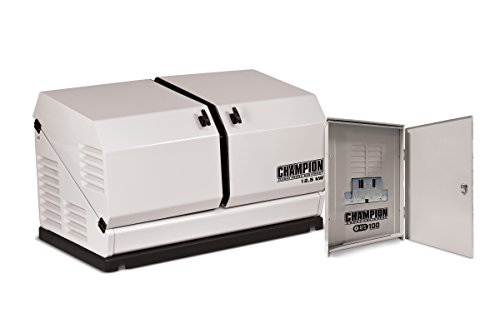
Pros
- Delivers 12,500 continuous watts on propane with automatic changeover via the included 100-amp 12-circuit transfer switch
- Sub-zero starting capability operates down to -22 degrees Fahrenheit without requiring an auxiliary heating kit
- Residential-friendly 63 dBA sound rating keeps generator noise low during prolonged neighborhood blackouts
- Eliminates manual storm deployment, portable fuel cans, and extension cords through stationary line-fed operation
Cons
- The ATS100 switch supplies 12 pre-selected circuits rather than providing whole-house electrical service coverage
- Substantial stationary weight of 455.5 pounds requires permanent site preparation and professional electrical and fuel installation
- Continuous output drops from 12,500 watts on propane down to 11,000 watts when fueled by a utility natural gas connection
The Champion 12.5-kW Home Standby Generator is a stationary residential backup power system engineered to provide automatic emergency electricity during utility failures. Operating on either liquid propane or natural gas, this unit is paired with Champion's ATS100 outdoor-rated 100-amp automatic transfer switch. The system is designed for homeowners, storm-preparedness buyers, and rural property owners who want a permanent, hands-off solution that activates automatically during blackouts, avoiding the manual setup, extension cords, and portable fuel handling required by conventional portable generators.
Electrical performance provides 12,500 continuous watts when running on liquid propane and 11,000 continuous watts when connected to a natural gas line. These figures represent sustained running capacity, allowing the unit to maintain electrical delivery without relying on onboard fuel tanks. Instead of requiring manual refueling during a severe storm, the generator taps directly into an external propane supply or home natural gas line. Because the system routes electricity through the included 12-circuit transfer switch, load suitability is determined by the specific household circuits selected during installation rather than generalized whole-house coverage.
Automated power delivery is managed by the ATS100 Emergency Essentials transfer switch, which contains 12 designated circuit positions. When utility power drops out, the transfer switch signals the generator to start and safely isolates the home from the grid before transferring power to the selected sub-panel circuits. This mechanical isolation prevents dangerous backfeeding into utility lines and eliminates the hazard of running extension cords through open windows or doors in freezing temperatures, severe storms, or heavy rain.
Cold-weather reliability is reinforced by a heavy-duty 24-volt starting system engineered to start without an auxiliary warming kit in temperatures ranging from -22 degrees Fahrenheit up to 104 degrees Fahrenheit. To maintain standby readiness, the generator automatically performs weekly self-diagnostic exercises to evaluate operating systems before severe weather arrives. Operational noise is controlled by advanced acoustic dampening and a specialized low-tone muffler that keeps sound levels at a neighborhood-friendly 63 dBA under manufacturer testing.
Realistic limitations center on physical installation requirements and electrical capacity boundaries. Weighing 455.5 pounds with exterior dimensions of 52.4 by 33.5 by 32.1 inches, this stationary unit requires a permanent mounting pad, qualified professional electrical wiring, and direct plumbing to a verified fuel supply. Additionally, because the included transfer switch provides 12 circuits and output drops to 11,000 continuous watts on natural gas, households must prioritize essential circuits like refrigerators, freezers, well pumps, furnace blowers, and key lighting rather than attempting to power multiple heavy central air conditioners simultaneously.
This Champion standby generator is an ideal investment for suburban and rural homeowners who require reliable, automatic power delivery without manual intervention during extended outages. Buyers who prioritize continuous propane operation, automated weekly self-checks, and quiet residential performance will appreciate the comprehensive protection it provides. Households needing unrestricted whole-house coverage across a 200-amp service or those seeking a mobile unit for jobsite or RV recreation should explore larger whole-home standby platforms or portable dual-fuel generators instead.
The included Champion ATS100 is an outdoor-rated, 100-amp automatic transfer switch designed to manage critical emergency circuits during a power outage. It features 12 individual circuit breakers that allow homeowners to pre-select vital loads during installation, such as refrigeration, heating controls, water pumps, sump pumps, and interior lighting.
By automating the changeover process, the transfer switch detects utility power loss, commands the generator engine to start, and switches the electrical feed to generator power seamlessly. When grid electricity returns, the ATS100 transfers the load back to the utility line and instructs the generator to complete a cooldown cycle before shutting down, ensuring continuous protection even when no one is home.
This Champion home standby generator operates using gaseous fuels, delivering 12,500 continuous watts on liquid propane (LPG) and 11,000 continuous watts on natural gas. Propane offers higher energy density per unit volume, which accounts for the additional 1,500 watts of continuous output compared to natural gas operation.
Because the unit connects directly to an existing residential natural gas service or dedicated stationary propane storage tank, it eliminates the operational hassles associated with portable gasoline. Homeowners do not need to store flammable fuel cans, manage fuel stabilizers, or brave severe weather to manually refill tanks in the middle of a major storm.
Starting reliability in freezing climates is supported by an integrated 24-volt starting system capable of turning the engine over in temperatures as low as -22 degrees Fahrenheit and as high as 104 degrees Fahrenheit without needing an auxiliary cold-weather warming kit.
To guarantee operational integrity over long periods of standby inactivity, the unit executes programmed weekly self-diagnostic testing cycles. Champion backs the system with a 10-year limited warranty along with free lifetime technical support, providing dedicated guidance for long-term ownership and maintenance.
Breaking Down the Expenses and Logistics of Home Standby Generator Installation
Calculating the true investment for permanent residential backup power requires looking beyond the crated machine delivered to your driveway. While equipment manufacturing costs represent a visible starting line, the specialized labor, site preparation, and fuel plumbing necessary for safe operation represent a substantial portion of the total commitment. Homeowners evaluating how much to install home standby generator systems must account for licensed trade professionals, municipal utility coordination, and structural clearances. Addressing these interdependent factors early prevents unexpected budget overruns and ensures flawless operation when severe weather disables the local utility grid.
The Core Financial Division Between Equipment and Turnkey Labor
A complete stationary backup installation divides naturally into mechanical hardware purchases and professional field labor. The generator itself, along with its paired automatic transfer switch, forms the foundational equipment cost. Professional installation typically matches or occasionally exceeds that hardware investment depending on property layout and panel capacity. Licensed master electricians and certified gas pipefitters handle distinct components of the build to ensure safe code compliance.
Labor rates fluctuate significantly based on regional trade demand, local permitting complexity, and the physical distance between utility entry points. A straightforward job with adjacent electrical and fuel meters requires minimal trenching and conduit routing. Conversely, running gas lines around obstacles or threading electrical feed cables through finished basements rapidly escalates billable hours. Exploring dependable air-cooled home backup options helps homeowners balance initial hardware specifications against these unavoidable site-specific labor demands.
Contractors also include miscellaneous hardware supplies within their overall labor and material estimates. These materials include rigid conduit, heavy-gauge copper conductors, gas shutoff valves, flexible fuel connectors, and dedicated sediment traps. When evaluating competing contractor bids, homeowners should verify whether municipal permit fees and utility coordination inspections are bundled into the total quote. Clear bid documentation prevents surprise line items once site work commences.
Electrical Service Panel Upgrades and Transfer Switch Integration
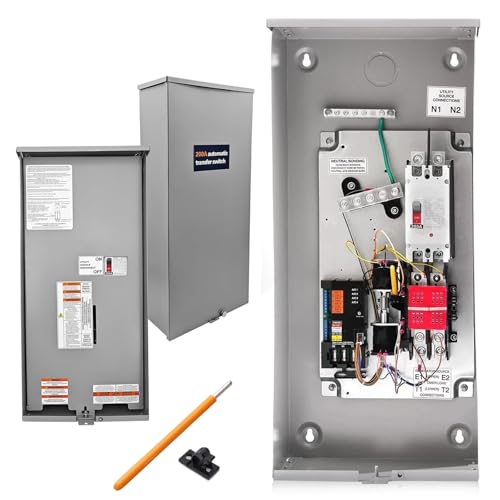
Integrating a standby power system begins at the main electrical distribution panel of the home. The automatic transfer switch functions as the primary electrical gateway, isolating utility power lines before connecting backup generator output. This mechanical interlock prevents lethal backfeeding into regional utility lines while protecting the generator alternator from abrupt utility surges. Installing a whole-house transfer switch often requires rewiring the main service entrance conductors directly through the switch cabinet.
Older residences equipped with outdated fuse blocks or maxed-out electrical panels frequently require a service entrance upgrade before adding a generator. Electricians must ensure the home distribution hardware supports modern grounding standards and double-pole disconnects. Units such as the Generac Guardian 10kW Home Standby Generator and the Honeywell 14kW Home Standby Generator utilize sensitive electronic controllers that demand clean, properly grounded panel architecture. Adding a subpanel or replacing an obsolete service box introduces noticeable material and labor expenses to the project.
Power quality also plays a pivotal role when wiring circuits that feed sensitive modern electronics. Modern standby systems feature alternators engineered with True Power or PrecisionPower technology to maintain total harmonic distortion below five percent. Ensuring this clean utility-grade power reaches variable-speed heat pumps and computer workstations requires precise phase balancing and dedicated neutral conductor runs. Skimping on conductor sizing or transfer switch capacity can cause voltage dips that disrupt sensitive microprocessors during emergency operation.
Fuel Delivery Logistics: Natural Gas Sizing and Propane Storage
Fuel supply infrastructure forms the second major mechanical pillar of any stationary generator installation. Stationary engines burn significant volumes of natural gas or liquid propane under heavy electrical loads. For homes connected to municipal natural gas, a licensed plumber must calculate the total cubic feet per hour demand of all existing appliances combined with the generator. If the total demand exceeds the rated volume of the existing gas meter, the regional gas utility must install an upgraded high-capacity meter.
Pipe diameter sizing is equally critical to prevent dynamic fuel starvation when heavy electrical loads engage. A long run of undersized black iron pipe causes dynamic pressure to plummet at the exact instant a central air conditioner compressor cycles on. Manufacturers specify strict minimum delivery pressures, typically measured in inches of water column, to sustain continuous combustion. Plumbers often need to run larger diameter pipe from the meter to the generator pad, which increases material costs and excavation labor.
Properties without municipal natural gas service must establish dedicated liquid propane storage on site. Running a stationary generator during a multi-day blackout requires substantial fuel reserves, often necessitating a dedicated stationary tank. Setting a dedicated tank involves delivery fees, foundation anchoring, safety regulator installations, and underground copper fuel line trenching. These fuel-specific infrastructure requirements represent a major factor in overall project expenditure for rural property owners.
Municipal Permitting, Zoning Clearances, and NFPA 37 Guidelines
Local building codes and municipal zoning bylaws heavily influence where a generator can sit on a residential lot. Professional contractors must pull separate electrical and mechanical permits before any physical work begins. Permit fees vary widely by municipality and frequently require architectural site plans detailing setbacks from property boundaries. Securing formal approvals protects the homeowner from costly mandatory relocation orders after installation.
National fire safety standards, specifically NFPA 37 guidelines, dictate critical clearance setbacks from structural openings. Stationary engine exhaust contains dangerous carbon monoxide and intense thermal energy during extended run cycles. Generators must generally maintain a minimum clearance of five feet from operable windows, exterior doors, and fresh air intake vents. Maintaining a clearance of eighteen inches from non-combustible building surfaces is also standard practice unless specific manufacturer testing allows closer placement.
Neighborhood covenants and homeowner associations introduce additional restrictions regarding noise and outdoor equipment visibility. Many suburban developments require sound-attenuated enclosures and low-decibel operational limits. Units like the Champion 12.5-kW Home Standby Generator feature sound-dampening mufflers that operate near sixty-three decibels to satisfy neighborhood peace standards. Meeting these local aesthetic and acoustic guidelines may require supplemental landscaping screens or specialized sound baffles that add to project costs.
Ground Preparation, Mounting Pads, and Cold-Weather Accessories
Physical site preparation ensures the heavy mechanical unit remains level, stable, and protected from standing water or ground settling over years of operation. Installers typically excavate soil, establish a compacted gravel sub-base, and place a pre-cast composite pad or pour a concrete slab. An unlevel foundation can cause engine oil sensors to register false low-oil readings, triggering sudden engine shutdowns during an emergency. Proper elevation also prevents winter snowdrifts and heavy rainfall from obstructing lower intake vents.
Enclosure materials directly impact durability and long-term exterior maintenance expenses. Manufacturers utilize powder-coated steel, composite materials, or corrosion-resistant aluminum to house internal engine components. The Honeywell 14kW Home Standby Generator features a RhinoCoat aluminum enclosure designed to withstand corrosive coastal air and harsh seasonal moisture. Investing in weather-resilient enclosure materials eliminates rust issues and preserves component access throughout the operating lifespan of the system.
Homeowners in freezing northern climates must also budget for cold-weather operational accessories. Sub-zero temperatures can cause starting batteries to lose cranking amps and engine oil to thicken, hindering rapid starting. Thermostatically controlled crankcase oil heaters and battery thermal wraps keep internal fluids at optimal starting temperatures. While some models feature robust twenty-four-volt starting architectures capable of firing in sub-zero freezes, adding supplemental heating kits ensures immediate starting reliability during brutal winter blizzards.
Evaluating Power Capacity: Essential Circuits Versus Whole-Home Coverage
Determining generator kilowatt capacity directly dictates both the equipment purchase price and the complexity of the transfer switch installation. An essential-circuit approach relies on a load center transfer switch that powers only vital household circuits such as refrigeration, heating controls, lighting, and well pumps. For example, the Champion 12.5-kW Home Standby Generator includes a transfer switch capable of managing twelve prioritized emergency circuits. This selective method reduces upfront hardware costs while providing reliable life-safety power.
Whole-house power systems utilize high-capacity switches, often rated at two hundred amps, to energize the entire electrical distribution panel seamlessly. Units like the Generac 14kW Whole Home Generator provide whole-home coverage without requiring the homeowner to manually toggle individual circuit breakers during an outage. However, sizing a whole-home system requires calculating central air conditioner locked rotor amperage and inductive motor starting surges. When assessing long-term residential backup power investments, managing these heavy inductive loads determines whether smart load-shedding modules are needed.
Smart load-management modules prevent generator overloading by temporarily shedding non-critical high-draw appliances when large compressors start up. These digital modules monitor system frequency and disconnect water heaters or secondary air conditioners until line voltage stabilizes. Incorporating load-shedding contactors into the transfer switch increases installation labor slightly but allows homeowners to select a smaller, more fuel-efficient generator. This balanced engineering approach prevents engine stalling while optimizing the total installation budget.
Ongoing Operational Maintenance and Continuous-Run Fuel Demand
Planning for standby power involves anticipating the routine operational expenses that follow successful installation. Stationary engines run weekly or bi-weekly automated exercise cycles to lubricate internal seals and verify system readiness. Units equipped with reduced-RPM self-test modes, such as the Generac Guardian series, consume less fuel and generate minimal neighborhood noise during these brief test runs. Remote monitoring systems like Mobile Link utilize cellular or Wi-Fi connectivity to transmit operational status and maintenance alerts directly to mobile devices.
Extended outages spanning multiple days impose strict maintenance requirements that owners must factor into ownership planning. Air-cooled generator engines generally require fresh synthetic oil and a new filter after every one to two hundred hours of continuous operation. Failing to perform scheduled oil changes during a prolonged power outage can void manufacturer warranties and risk catastrophic mechanical engine failure. Keeping spare filters, spark plugs, and manufacturer-recommended synthetic oil on hand is essential for disaster preparedness.
Fuel consumption during multi-day continuous runs represents another variable that influences long-term household utility budgeting. Operating a high-kilowatt engine under heavy electrical load burns substantial cubic feet of natural gas or gallons of liquid propane daily. Comparing stationary standby systems against compact emergency alternatives, like the WEN DF450i Super Quiet 4500-Watt Dual RV-Ready portable inverter, highlights the trade-off between automated comfort and fuel conservation. Understanding these operational realities ensures homeowners manage running expenses effectively throughout severe power emergencies.
Commissioning Protocols and Load-Bank Verification
The final phase of any professional generator installation involves rigorous commissioning and system calibration. Licensed electricians and gas technicians perform dynamic pressure checks while the engine runs under stepped electrical loads. Technicians verify that incoming gas pressure remains within factory tolerance when the transfer switch engages and central air conditioning compressors cycle on. Verifying voltage regulation and steady sixty-hertz frequency output prevents damage to connected household appliances.
Simulating a total utility blackout serves as the ultimate acceptance test for the complete installation. The technician opens the main utility service disconnect to confirm that the transfer switch senses phase loss, starts the generator, and transfers the load within seconds. Once utility power is restored, the switch must monitor grid stability before smoothly re-transferring the load and allowing the engine to complete an unhurried cool-down cycle. Conducting these thorough commissioning protocols guarantees that your investment performs reliably when severe storms strike.
Navigating the installation of a residential standby generator requires coordinating equipment capability, site engineering, and professional trade labor into one unified plan. Prioritizing correct gas line volume, code-compliant physical setbacks, and appropriate transfer switch architecture ensures lasting electrical security for your household. By evaluating these technical and logistical requirements ahead of time, homeowners can confidently build a dependable emergency backup system that protects property and family for years to come.




Write Your Review
No reviews yet. Be the first to share your experience!