


Severe storms, aging regional electrical grids, and extreme temperature swings often leave neighborhoods without power for days at a time. A permanent home emergency power system provides continuous electrical security by restoring household energy automatically during a blackout. Homeowners researching what are standby generators quickly discover that these stationary outdoor machines function as personal mini-utilities. When utility power fails, a standby generator starts on its own, connects to home wiring, and keeps critical infrastructure running without requiring manual extension cords.
Unlike portable equipment that requires manual refueling and outdoor pull-starting in heavy rain, a standby generator connects directly to on-site fuel supplies. Properties with dedicated fuel tanks often evaluate dedicated propane backup generators to achieve reliable multi-day fuel security. Modern units feature automated controllers that monitor utility line voltage every second of the day. As soon as a grid fault occurs, the system initiates an automatic start cycle to protect food storage, medical equipment, and climate controls.

Pros
- Consolidates key tune-up components into a single convenient maintenance bundle
- Exact OEM-matched fitment for 20kW air-cooled standby generators with 999cc Generac OHVI engines
- Includes practical servicing aids like a tailored oil funnel, chamois, and maintenance reminder sticker
- Helps ensure reliable generator starting and continuous operation during unexpected grid outages
Cons
- Does not include motor oil, which must be purchased separately according to manufacturer specifications
- Strictly limited to 999cc OHVI engines and will not fit other Generac displacement sizes or liquid-cooled models
The Generac 5665 Maintenance Kit is a dedicated tune-up package designed specifically for residential property owners operating 20kW Generac air-cooled home standby generators equipped with 999cc OHVI engines. Whole-house and emergency standby systems remain dormant for extended periods before facing intense continuous runtimes during major storm outages. Routine servicing with this kit ensures that primary engine components remain in optimal operating condition, providing peace of mind that emergency backup power will engage automatically when utility lines fail.
Proper engine filtration and fresh ignition components directly support stable electrical output and long-term equipment durability. The Generac 5665 kit includes a primary air filter that prevents dust, lawn debris, and atmospheric particulates from entering the 999cc engine intake tract. It also provides a replacement oil filter to maintain lubrication purity under heavy electrical loads, alongside a fresh spark plug to promote clean combustion and smooth engine idling during power transfer cycles.
Beyond internal replacement consumables, the kit supplies practical utility accessories designed to streamline the maintenance process. Generac bundles a flexible oil funnel to direct fresh motor oil into the crankcase without causing messy spills inside the standby enclosure, as well as a chamois to wipe down engine surfaces. An included instruction manual guides homeowners or service technicians through component installation, and a convenient reminder sticker allows owners to record the service date right inside the generator cabinet.
Handling routine servicing with this maintenance package is straightforward for DIY-capable homeowners and property caretakers. With a packaged weight of roughly 1.55 pounds and compact packaging, the kit is convenient to keep on a garage or workshop shelf until the scheduled hour interval or seasonal service date arrives. Prior to servicing, owners should ensure the standby generator is switched off, shut down the master breaker, and allow the engine to cool completely before removing the old filters and spark plug.
A notable limitation of the Generac 5665 Maintenance Kit is that it does not include engine oil, meaning buyers must supply the appropriate oil viscosity and volume separately based on ambient operating temperatures. Furthermore, compatibility is strictly limited to Generac 20kW air-cooled units powered by the 999cc Generac OHVI engine platform. Owners operating smaller displacement models or liquid-cooled commercial standby units will need to look for alternative service kits suited to their exact equipment specifications.
For homeowners and rural property managers relying on a 20kW Generac 999cc standby generator for emergency power, the Generac 5665 Maintenance Kit is a practical and necessary investment. By packaging the exact factory-matched filters, spark plug, and servicing tools into one box, it removes the guesswork from routine maintenance and helps protect your primary line of defense against severe grid outages.
The Generac 5665 Maintenance Kit is specifically engineered for air-cooled standby generators utilizing the 999cc Generac OHVI engine platform rated for 20kW output. Verifying engine displacement and model specifications prior to purchase is essential, as this kit will not fit smaller air-cooled engines or liquid-cooled commercial standby units.
The package contains a comprehensive set of routine service supplies, including one air filter, one oil filter, one spark plug, one oil funnel, one chamois, an instruction manual, and a maintenance reminder sticker. Motor oil is not included in this bundle and must be sourced separately in accordance with Generac engine operating guidelines.

Pros
- Delivers fully automated emergency power without requiring manual pull-starting, cable routing, or refueling during storms
- Comes bundled with a transfer switch to streamline residential home-backup electrical installation
- Built-in cellular hardware allows remote status tracking and alert notifications without relying on home Wi-Fi uptime
- Sloped roof cabinet and cold-start engineering enhance system reliability in freezing or snowy winter conditions
- Protected by a 5-year limited warranty with year-round customer assistance
Cons
- Stationary 384-pound footprint requires dedicated pad placement, professional electrical installation, and offers zero portability for RV or jobsite use
- Full access to real-time mobile updates and remote control requires an ongoing Mobile Link premium subscription
- The 10kW capacity ceiling requires deliberate household load planning to prevent exceeding rated output when operating major appliances
The Generac 10kW Whole Home Generator is a dedicated residential standby generator system designed to deliver automatic backup electricity during utility grid failures. Unlike portable inverter generators that require manual positioning, pull-starting, and temporary extension cord routing, this stationary unit is permanently installed outside the home and pairs directly with an included transfer switch. When a power loss occurs, the system automatically detects the outage and initiates power delivery to keep critical household circuits operational. This automated architecture makes it especially appealing to homeowners and storm-preparedness planners who prioritize uninterrupted protection for refrigeration, lighting, heating, and cooling equipment without physical intervention during severe weather.
Electrical capacity is anchored by a 10kW continuous power rating designed to support essential residential circuits. While the manufacturer positions the unit for whole-house protection, overall coverage is strictly governed by simultaneous electrical demand and the startup surge requirements of connected motor-driven loads. Central air conditioners, well pumps, and electric heating elements draw significant wattage upon startup, meaning total running and starting loads must remain within the 10,000-watt threshold. Integrating the generator through the included transfer switch provides organized circuit distribution, but users must evaluate their simultaneous household loads to ensure continuous operation remains balanced within the rated output.
Under the enclosure, Generac utilizes electronic fuel and ignition control to optimize fuel consumption and deliver lower emissions compared to previous benchmark models. The generator cabinet is constructed in a neutral gray finish measuring 47.3 inches long, 25.6 inches wide, and 30.7 inches high, designed specifically for year-round exterior exposure. To maintain mechanical dependability in freezing environments, the enclosure features a sloped roofline and a rear air intake configuration that reduces the risk of ice and snow intrusion. Internal oil level sensors continuously monitor lubrication supply to protect internal components and ensure starting readiness before severe weather strikes.
System monitoring is handled through built-in cellular connectivity, allowing users to track generator status and operational readiness through the Mobile Link app. Because the hardware uses an onboard cellular connection, the monitoring system remains capable of sending maintenance alerts and operational status updates even if home internet routers lose power during an outage. However, complete functionality such as active remote control and real-time alerts depends on an ongoing Mobile Link premium subscription. Routine ownership responsibilities include monitoring oil levels and coordinating ongoing maintenance to preserve the terms of the included 5-year limited warranty.
Prospective buyers must weigh several practical limitations when comparing this standby system to alternative backup options. At a weight of 384 pounds, this unit is a fixed piece of exterior mechanical equipment that requires permanent outdoor placement, dedicated foundation preparation, and qualified professional installation to meet local building and electrical codes. It cannot serve recreational needs such as camping, tailgating, or mobile jobsite power where compact portable inverter generators excel. Furthermore, households with exceptionally heavy electrical demands or multiple large central cooling units may find that 10kW requires strict load prioritization during extended outages.
This Generac 10kW system is best suited for homeowners seeking reliable, automated emergency protection that operates independently whether the household is present or away. It provides substantial value for households in storm-prone regions that need hands-off power delivery, cold-weather resilience, and remote status visibility. Buyers looking for transportable power for RVs, travel, or off-grid work should instead select a portable inverter generator, while homeowners requiring whole-property coverage with simultaneous heavy heating and cooling loads may need to evaluate higher-output standby capacities.
Homeowners evaluating backup power often compare stationary home standby generators with portable inverter generators. The primary distinction centers on system architecture, deployment requirements, and operational intent. A standby generator like this 10kW Generac model is permanently wired into residential service panels via a transfer switch, providing automatic hands-off startup when grid power drops. In contrast, portable inverter generators rely on manual transport, pull or push-button starts, and localized power cords, serving users who require flexibility across home backup, RV travel, camping, and remote worksites.
Power conversion also differentiates these categories. Portable inverter generators utilize an internal inverter stage to produce low harmonic distortion power suitable for small, individual devices across jobsite and recreational environments. A 10kW standby generator provides a significantly higher centralized output to energize hardwired household equipment, such as furnace blowers, sump pumps, and kitchen refrigeration circuits, directly through the premises wiring. Choosing between them depends on whether a household prioritizes permanent, automated storm resilience or mobile, multi-use portable electricity.
The Generac 10kW standby generator integrates built-in cellular connectivity, eliminating reliance on residential Wi-Fi networks that frequently fail during widespread utility outages. This independent cellular link communicates operational data directly to the Mobile Link platform, allowing homeowners to confirm system readiness from a smartphone, tablet, or computer.
Through the Mobile Link app interface, users can observe operating status, review scheduled run routines, and receive notifications regarding required maintenance. It is important to note that access to real-time update alerts and direct remote control features requires maintaining an active Mobile Link premium subscription. Even without an active subscription, the cellular hardware remains an integral part of the generator infrastructure to assist service technicians with system diagnostics.

Pros
- Comprehensive package supplies engine oil, oil filter, air filter, and spark plugs in a single purchase
- Direct fit replacement for widespread Generac service part numbers 0J8478S and 0J932300SM
- Extended-capacity oil filter provides 30 percent more capacity over standard filter designs
- Cost-effective DIY maintenance solution for compatible 10kW to 26kW air-cooled residential backup generators
Cons
- Engineered specifically for stationary air-cooled standby generators and cannot be used for small portable gas generators or liquid-cooled models
- Requires basic DIY mechanical tools and manual effort to access filter housings and correctly gap or torque spark plugs
- Ships in aftermarket packaging rather than an OEM retail box, though it includes branded Generac synthetic oil
The Universal Generator Part Evolution 5W-30 Generator Service Kit is a comprehensive aftermarket maintenance bundle engineered as a direct replacement for OEM part numbers 0J8478S and 0J932300SM. Designed specifically for stationary home-backup power systems, this service package supports 2013 to present 10kW through 26kW air-cooled Generac Guardian Series units along with compatible models sold under the Synergy, Carrier, Bryant, Siemens, Centurion, and Eaton brands. It provides American homeowners and rural property owners with the necessary service supplies to complete scheduled engine tune-ups, helping ensure standby power equipment remains dependable during severe weather outages.
Scheduled oil and filter maintenance is critical for heavy-duty emergency engines, and this package addresses engine lubrication and air filtration in one order. The kit includes two 1-quart bottles of Generac 5W-30 synthetic motor oil, formulated to handle the elevated thermal conditions found in air-cooled generator engines running under high electrical loads. It also includes an extended-capacity oil filter engineered with 30 percent more capacity than standard factory filters, helping capture particulate matter across extended runtimes. To support clean combustion, the kit provides an exact-fit air filter and two replacement spark plugs to maintain prompt ignition, smooth operation, and steady engine speed.
Equipment compatibility covers a wide array of residential standby installations produced from 2013 to current production years. Supported models span Generac model series G0062400 through G0068590, covering 10kW, 11kW, 16kW, 20kW, 22kW, 24kW, and 26kW air-cooled generator platforms. Because correct component sizing is essential to engine longevity, buyers should cross-reference their generator data plate against the supported model list prior to servicing. Installing matched filtration components maintains correct oil flow, prevents bypass conditions, and supports uninterrupted power generation when utility lines fail.
DIY servicing is made straightforward with the addition of practical maintenance aids, including a disposable paper funnel and an absorbent oil wipe to minimize workspace spills. Stationary home-backup generators often run for dozens of continuous hours during regional storm recovery, accelerating oil breakdown and filter contamination. Completing a proactive service routine before winter freezes or summer storm threats prevents low-oil pressure shutoffs, spark plug fouling, and unexpected starting faults when power is needed most.
A realistic limitation of this product is that it functions strictly as a consumable maintenance kit, not as a generator repair assembly or standalone equipment unit. It is tailored specifically to twin-cylinder air-cooled residential platforms and will not fit compact open-frame portable generators, inverter generators, or larger automotive-style liquid-cooled commercial power systems. Homeowners will need basic hand tools such as an oil filter wrench, spark plug socket, and an appropriate drain pan to complete the service safely.
This Universal Generator Part maintenance kit represents a practical, budget-conscious choice for homeowners looking to maintain their Generac Guardian or compatible air-cooled standby generator. It bundles OEM-grade 5W-30 synthetic oil with upgraded filtration and ignition parts without the cost of individual retail components. For anyone focused on storm preparedness and reliable home backup performance, this service kit delivers the essential supplies needed to keep stationary generator engines operating smoothly.
This complete tune-up package is engineered to replace OEM part numbers 0J8478S and 0J932300SM on 2013 to present Generac Guardian Series air-cooled standby units rated from 10kW to 26kW. It also supports cross-branded systems sharing identical air-cooled platforms, including select Synergy, Carrier, Bryant, Siemens, Centurion, and Eaton home standby models.
Specific compatible equipment series include model designations G0062400 through G0068590, covering single-phase residential backup generators equipped with modern Evolution digital controllers. Equipment owners should inspect their generator cabinet data tag to verify engine size and model compatibility before initiating service.
Inside the kit, users receive two 1-quart bottles of Generac 5W-30 full synthetic motor oil, one replacement air filter, an extended-capacity oil filter offering 30 percent more filtration area, two spark plugs, a heavy-duty paper funnel, and an oil clean-up wipe. These components match factory replacement intervals to sustain original equipment operating parameters.
Air-cooled standby generators place severe demands on motor oil because they operate at sustained high temperatures during continuous power delivery. Utilizing 5W-30 full synthetic engine oil ensures fluid protection during cold-weather winter starts while resisting viscosity breakdown during summer heatwaves and heavy electrical loading.
Air filtration and clean spark delivery work together to maintain engine output and fuel efficiency. A clogged air filter restricts airflow and can lead to rough running, while aged spark plugs can cause misfires or prevent the automated exercise cycle from initiating properly. Replacing these wear items annually or after significant utility outages preserves standby readiness.
Routine preventative maintenance performed ahead of major storm seasons reduces the risk of unexpected generator shutdown alarms during grid blackouts. Keeping a dedicated maintenance kit on hand allows homeowners to quickly service their standby generator following long operating cycles, ensuring uninterrupted household protection.

Pros
- Delivers 20,000 continuous running watts to handle multiple demanding 240V appliances and essential household circuits simultaneously.
- Equipped with dual 50-amp and dual 30-amp transfer-ready receptacles for flexible home backup power integration.
- Remote key fob start with automatic choke allows convenient engine starting from inside the house or across the yard.
- Copper windings and low THD architecture help provide clean power output for sensitive electronics, laptops, and home networking equipment.
- Includes essential startup accessories like engine oil, a funnel, and a digital multimeter panel right out of the box.
Cons
- Substantial total weight of 541.1 pounds makes moving and positioning this open-frame generator challenging without assistance.
- Operates strictly on gasoline, requiring homeowners to store, stabilize, and rotate large amounts of fuel for extended outages.
- High fuel consumption under heavy continuous electrical loads requires planned refueling during lengthy emergency situations.
The Westinghouse 28000 Peak Watt generator is an ultra-high-capacity portable backup generator engineered for homeowners who need substantial emergency power without committing to a permanently installed standby system. Operating as an open-frame, gas-powered portable unit, it bridges the gap between typical mid-sized portable generators and stationary standby units. It is built primarily for rural property owners, storm-prone households, and emergency-preparedness planners who intend to support extensive electrical circuits through a manual transfer switch or generator interlock setup.
In terms of backup performance, the generator provides a listed 20,000 running watts and 28,000 peak watts, driven by a 999cc Westinghouse V-Twin OHV engine fitted with a durable cast iron sleeve. Gasoline serves as the single supported fuel source, fed by a massive 17-gallon fuel tank with an onboard fuel gauge. The manufacturer rates this fuel capacity for up to 15 hours of operation at a 25 percent continuous load. With full 120V and 240V output, this machine supplies the continuous wattage and surge headroom necessary to support high-starting-demand equipment, such as well pumps, central air conditioning units, electric water heaters, and sump pumps, when integrated into a properly balanced home electrical plan.
System design and electrical connectivity are central strengths of this generator. The comprehensive control panel includes two 50A 120/240V 14-50R outlets, two 30A 120/240V L14-30R twist-lock outlets, one 30A 120V L5-30R outlet, and four GFCI-protected 120V 5-20R standard household outlets, plus an ST switch outlet. All outlets feature protective rubber covers to guard against debris and moisture. The generator alternator is engineered with durable copper windings and low total harmonic distortion (THD), which the manufacturer identifies as safe for powering sensitive electronics such as televisions, mobile devices, and computers during prolonged utility outages.
Operating convenience and safety are well integrated into the setup. Starting is handled via push-button electric start, an included remote key fob, and an automatic choke system that removes the need for manual choke adjustments, backed by an engine battery charging port. A digital readout provides continuous feedback on volts, operating frequency, and cumulative lifetime run hours to assist with scheduled oil changes and engine maintenance. Safety is enhanced by an automatic carbon monoxide (CO) sensor and automatic low-oil shutdown. Because this is a fuel-burning internal combustion engine, it must always be operated outdoors far away from doors, windows, and home ventilation intakes; the CO sensor serves as an emergency safety shutoff, not an excuse to operate in enclosed spaces.
Realistic limitations must be weighed before purchase. Weighing 541.1 pounds and measuring 38 by 35 by 40.4 inches, this generator demands significant effort to maneuver and position, even with its reinforced steel handles and quick-release pins. Additionally, it runs exclusively on gasoline, meaning households must carefully plan fuel storage, fuel stabilization, and regular rotation to stay ready for multi-day outages when service stations may lose power. Unlike a stationary automatic standby generator, this portable unit requires manual outdoor deployment, physical cord hookup, and manual transfer-switch switching when the electrical grid fails.
This high-output Westinghouse portable generator is an exceptional match for homeowners who require standby-level wattage to run major 240V equipment alongside multiple household circuits without the high permitting and permanent installation costs of a stationary generator. It suits emergency-minded households with compatible 50A or 30A transfer connections who are comfortable handling a large, heavy machine. Buyers looking for lightweight power for recreational camping, or those wanting hands-off automatic startup fueled by continuous utility natural gas, will be better served by a smaller inverter generator or a dedicated home standby system.
The Westinghouse 28000 Peak Watt generator provides one of the most comprehensive receptacle layouts available on a portable unit, designed specifically for broad home backup versatility. The panel features two heavy-duty 50A 120/240V 14-50R receptacles and two 30A 120/240V L14-30R twist-lock outlets, giving homeowners the ability to feed a 50-amp or 30-amp manual transfer switch or generator inlet box without using messy adapters. This setup ensures that high-draw 240V appliances and split-phase household electrical panels receive balanced, reliable power during grid failures.
In addition to its high-amperage 240V connections, the control panel includes one 30A 120V L5-30R twist-lock outlet and four standard 120V 20A GFCI 5-20R duplex receptacles. Every outlet is protected by durable rubber covers to keep out dirt and weather when not in use, and an ST switch outlet is provided for compatible control accessories. When connecting this generator to residential wiring, homeowners must use a properly installed generator inlet box paired with a manual transfer switch or breaker interlock kit installed by a qualified professional to avoid hazardous backfeeding and ensure code compliance.
At the core of this backup generator is a commercial-grade 999cc Westinghouse V-Twin OHV engine engineered for rigorous, long-duration power generation. The engine incorporates a cast iron sleeve for extended cylinder life, an automatic low-oil shutdown sensor to prevent engine seizure, and an electronic idle control switch that optimizes engine RPM based on current electrical demand. This heavy displacement provides the torque required to absorb sudden electrical surges when high-draw motors, compressors, and pumps cycle on.
Unlike many large open-frame generators that produce uneven electrical waveforms, this Westinghouse model is engineered with low total harmonic distortion (THD) and premium copper windings. Low THD power reduces electrical noise and excessive heat buildup in connected devices, making the output safe for modern consumer electronics, laptops, home entertainment systems, and variable-speed appliances. A digital data center mounted directly on the panel displays output voltage, operating frequency, and total lifetime running hours, allowing owners to monitor performance in real time and maintain accurate engine service intervals.

Pros
- High 22kW continuous standby capacity can manage major household demands, including central air conditioning, heating systems, and refrigeration.
- Automatic standby operation senses power loss and energizes the house automatically, eliminating the need to pull recoil cords or run exterior extension cords.
- Built-in cellular hardware allows remote status checks via Mobile Link without relying on home Wi-Fi networks that can fail during power outages.
- Cold-weather design elements, including an intake protected from snow intrusion and an oil level monitoring sensor, enhance winter storm reliability.
- Comes backed by a 5-year limited manufacturer warranty and 24/7 customer service access.
Cons
- Requires permanent outdoor installation, site preparation, dedicated fuel lines, and professional electrical connection to the household electrical panel.
- Full access to real-time maintenance alerts and comprehensive remote management via the Mobile Link app requires a paid premium subscription.
- The substantial 451-pound physical footprint requires permanent exterior yard placement that complies with local building codes and clearance standards.
The Generac 22kW Whole Home Generator is a permanently installed standby power system designed to deliver automatic, high-output backup electricity during municipal grid failures. Unlike portable emergency generators that require manual positioning outdoors, manual fueling, and complex extension cord routing in the middle of a storm, this standby unit remains permanently wired to the home. It automatically senses when utility power cuts out and activates to energize supported residential electrical loads. This automatic architecture makes it especially appealing for busy families, rural homeowners subject to protracted utility repairs, and households in storm-prone regions that need continuous power for everyday living.
In terms of output, the listed 22kW capacity represents a substantial amount of continuous backup power capable of supporting heavy residential electrical demands. The manufacturer identifies this model as a whole-house protection solution, positioning it to handle high-draw loads such as heating and cooling equipment, well pumps, refrigeration, and home office electronics. However, achieving whole-house performance still requires careful load calculation. While 22kW will support most typical residential combinations simultaneously, major motor-driven appliances create brief starting surges that must fit within the system capacity alongside existing household base loads.
Generac incorporates electronic fuel and ignition management to maximize efficiency and reduce emissions. According to the manufacturer, this electronic control system optimizes overall fuel consumption compared to standard Generac Guardian Series standby generators, helping lower the total cost of ownership over extended operating runs. Durability is reinforced through a Metro Gray exterior cabinet measuring 46.4 by 26.3 by 30.7 inches and weighing 451 pounds. To address harsh winter weather, the enclosure utilizes a sloped roof profile and a rear-facing intake design that helps prevent snow and ice accumulation from choking critical airflow during freezing blizzards.
Monitoring and management are handled through built-in cellular connectivity, which pairs the generator with Generac Mobile Link platform. Because it operates on cellular infrastructure rather than local home Wi-Fi networks, the generator can transmit status alerts even if your home router loses power. Homeowners can verify operational readiness, track running status, and receive service notifications directly on their smartphones, though full access to real-time maintenance notifications requires an optional premium Mobile Link subscription. An integrated oil level sensor also keeps tabs on lubrication, safeguarding engine components against damage caused by low fluid levels during extended run cycles.
Prospective buyers must recognize that installing a 22kW standby generator involves significant planning and professional execution. This is not a plug-and-play machine. It requires permanent outdoor pad placement, plumbed fuel supply connections, and proper transfer switch integration carried out by licensed technicians in compliance with local utility rules and municipal building codes. In addition, ongoing maintenance, including routine oil changes and battery health checks, is mandatory to guarantee that the machine starts seamlessly during an unforeseen emergency.
Overall, the Generac 22kW Whole Home Generator is an excellent backup power investment for homeowners who demand dependable, hands-off utility outage protection capable of supporting central climate systems and essential circuits simultaneously. Budget-focused shoppers or renters with lower wattage demands might find a portable dual-fuel generator more practical. However, for property owners wanting an integrated, permanently installed standby system that reacts instantly to grid disruptions, this Generac model delivers robust capacity, smart cellular monitoring, and reliable cold-weather protection.
The core benefit of a home standby generator over a portable generator is instant automation. When severe weather downs power lines, the Generac 22kW generator automatically detects the disruption and signals the system to engage, restoring electricity to your home without requiring anyone to venture outdoors in dangerous conditions.
This hands-off operation is vital for maintaining essential household systems when homeowners are away at work or traveling. Refrigerators and freezers stay cold, sump pumps remain powered to prevent basement flooding, and central heating or air conditioning continues to regulate indoor temperatures automatically throughout the duration of the outage.
Generac equips this 22kW generator with onboard cellular hardware that connects directly to the Mobile Link smartphone application. This cellular connection operates independently from home Wi-Fi networks, ensuring communication remains intact even when local networking equipment is down.
Homeowners can monitor the generator operating status, view exercise schedules, and receive readiness alerts from anywhere. Buyers should note that while baseline connectivity is integrated, advanced real-time alerts and proactive dealer maintenance notifications require a paid premium Mobile Link subscription plan.
Installing a 22kW standby generator requires deliberate exterior site planning and professional coordination. Weighing 451 pounds with dimensions of 46.4 by 26.3 by 30.7 inches, the unit requires a solid, level outdoor foundation that adheres to local building code setback distances from doors, windows, and property lines.
Because it operates as a permanent utility backup system, property owners must arrange for professional electrical wiring into an appropriate transfer switch as well as dedicated plumbing to an adequate fuel source. Ensuring proper fuel supply line diameter and gas pressure is critical to achieving full 22kW output performance under heavy electrical loads.
Pros
- Automatic transfer and power delivery eliminate the hassle of manually setting up cords or refueling during severe storms
- Substantial 26kW capacity can manage demanding household circuits simultaneously, including central HVAC and major appliances
- Cellular-based Mobile Link monitoring maintains communication even if household internet and Wi-Fi networks go offline
- Sloped roof design and rear air intake provide enhanced defense against winter weather, ice, and blowing snow
- Comprehensive 5-year manufacturer limited warranty backed by round-the-clock customer service
Cons
- Permanent installation requires professional electrical and fuel-line work, along with local permitting and pad preparation
- Automatic transfer switch hardware is not explicitly bundled and must be verified or purchased separately
- Advanced real-time alerts and extended remote management features require an ongoing Mobile Link premium subscription
The Generac 26kW Whole Home Generator is a permanently installed standby power system engineered to provide automatic emergency electrical backup for residential properties. Unlike portable generators that require manual setup, extension cords, and outdoor refueling in hazardous storm conditions, this stationary generator remains connected to your premises wiring and starts automatically when utility power fails. Designed for homeowners who want seamless continuity, its 26kW capacity allows whole-house coverage, keeping critical systems like central heating, air conditioning, refrigeration, lighting, and home electronics running without manual intervention.
In terms of output and electrical performance, this model provides up to 26kW of standby power, placing it at the top tier of residential backup generators. Generac integrates electronic fuel and ignition control, an architecture designed to optimize fuel delivery for cleaner combustion, lower emissions, and a lower total cost of operation compared to standard Guardian series models. This high power threshold enables the generator to handle the large surge demands of heavy motor-driven loads, such as central air conditioner compressors and well pumps, alongside routine household circuits without forcing families to manually manage or shed critical breaker loads during extended blackouts.
System build quality and environmental protection are centered around a rugged Metro Gray outdoor enclosure measuring 46.4 inches long by 26.3 inches wide and 30.7 inches high. Generac engineered the housing with a sloped roof and rear intake to shield internal components from ice accumulation, wind-driven rain, and snow intrusion. To safeguard engine health between scheduled operations, an integrated oil level sensor continuously monitors lubricant reserves. The engine management system also features improved cold-start calibration, helping ensure fast, dependable turnover during winter freezes when grid failures are most common.
Remote monitoring is built directly into the unit through integrated cellular connectivity, which communicates with the Generac Mobile Link platform. Because it operates on cellular towers rather than your home Wi-Fi network, the monitoring system remains fully functional even when an outage brings down local internet routers. Homeowners can view operational status, check system health, and receive maintenance notifications on their smartphone, though advanced real-time alerts require a Mobile Link premium subscription. Routine maintenance consists of regular oil level checks, periodic servicing, and maintaining clear clearance around the intake and exhaust vents.
Prospective buyers must consider the specific installation demands of a 524-pound permanent standby generator. Installation involves setting a stable outdoor base, connecting dedicated fuel plumbing, and integrating with an automatic transfer switch (ATS). Buyers must verify transfer switch requirements separately, as an ATS is essential for automatic operation but is not detailed as an included accessory in this package. Additionally, permanent placement must adhere to local building codes, electrical standards, and fuel supply regulations.
This Generac 26kW generator is an outstanding investment for suburban and rural homeowners who require dependable, hands-off emergency power during severe weather and prolonged utility outages. It provides the capacity needed to power an entire modern household without compromising on comfort or climate control. However, homeowners looking for budget-friendly emergency backup for just a few basic plug-in appliances, or renters unable to modify premises wiring, would be better served by a smaller portable generator paired with a manual transfer switch.
Generac equips this 26kW standby generator with built-in cellular connectivity, enabling direct communication with the Mobile Link remote management app. Unlike backup systems that rely strictly on home Wi-Fi, this cellular architecture keeps you connected even if your home modem, router, or local broadband provider loses power during a storm.
Through the Mobile Link platform on a smartphone, tablet, or computer, users can check generator readiness, track operating status, and inspect scheduled exercise cycles. The app also delivers service alerts to help keep maintenance up to date. While basic status indicators are available out of the box, accessing real-time updates and active remote control commands requires an optional Mobile Link premium subscription.
The Generac 26kW generator is enclosed in a durable Metro Gray cabinet engineered specifically to endure severe outdoor climates. Measuring 46.4 x 26.3 x 30.7 inches and weighing 524 pounds, the housing features a sloped roof and strategically routed rear air intake designed to shed moisture and prevent snow or ice from restricting vital airflow.
Internal reliability is enhanced by advanced cold-start engineering, allowing the starter and ignition systems to engage reliably during severe sub-freezing temperatures. An integrated oil level sensor constantly tracks lubricant levels to protect internal engine components before and during an outage. For sustained peace of mind, Generac backs this standby model with a 5-year limited warranty and 24/7/365 customer support.

Pros
- Exact fitment for 2008-2012 Generac 8kW 410cc air-cooled engines removes guesswork from part sourcing
- Consolidates critical wear items into one box, including the air filter, oil filter, and spark plug
- Includes convenient setup extras such as an oil funnel and maintenance schedule reminder sticker
- Helps sustain engine compression and starting reliability before storm season arrives
Cons
- Engine oil is not included in the kit and must be purchased separately before servicing
- Strict compatibility window applies only to 8kW 410cc units built from 2008 to 2012, excluding newer or larger standby models
- Contains only a single spark plug, making it unsuitable for twin-cylinder Generac engines
The Generac Guardian 5662 Maintenance Kit is a dedicated service package engineered specifically for 8kW air-cooled home standby generators powered by a 410cc engine and manufactured between 2008 and 2012. Rather than being a standalone power generator, this product is a specialized maintenance accessory designed for American homeowners who depend on an installed stationary generator for automated backup power during grid failures and severe weather.
Proper engine upkeep directly affects backup power reliability, and this kit supplies the critical consumable parts needed to sustain standard engine performance. The included air filter prevents airborne debris from entering the intake tract, while the oil filter captures circulating contaminants that accumulate during extended generator runtimes. A fresh spark plug supports clean combustion and smooth idling, which are critical when the unit must accept household electrical loads during sudden utility outages.
Generac packages these components in a compact one-pound kit measuring 7 x 9 x 5 inches. In addition to the mechanical replacement parts, the kit contains practical service aids, including a dedicated oil funnel to minimize spills inside the generator enclosure, a shop chamois for wiping down engine surfaces, an instruction guide, and a preventative maintenance reminder sticker to help track future service intervals.
Routine service handling is straightforward because all baseline tune-up parts arrive together, eliminating the need to source disparate aftermarket numbers. Generator owners should always verify that the standby generator is switched to the off position, disconnected from utility sensing, and fully cooled down before opening enclosure panels to service filters or spark plugs.
A primary limitation of the Generac 5662 kit is that it does not include engine oil, which must be purchased separately according to the manufacturer's recommended viscosity and capacity specifications. Furthermore, fitment is strictly restricted to 410cc single-cylinder 8kW air-cooled units from the 2008 to 2012 production era, meaning it will not fit newer Evolution-series platforms or larger multi-cylinder standby generators.
For owners of compatible 2008 to 2012 Generac 8kW standby systems, the 5662 maintenance kit offers a dependable, factory-matched solution to keep home backup power ready for emergency use. Homeowners should verify their generator serial tag, engine displacement, and production year prior to ordering to ensure exact compatibility.
The Generac Guardian 5662 kit contains one engine air filter, one oil filter, one replacement spark plug, one oil funnel, one cleaning chamois, an instruction manual, and a preventative maintenance reminder sticker. Each item is sized specifically for the 410cc engine architecture found in designated 8kW air-cooled standby generators.
Compatibility is bounded strictly to Generac air-cooled standby models manufactured between 2008 and 2012. Because engine configurations changed in later model years, generator owners should inspect the data decal inside the generator access panel to confirm both the 8kW rating and the 410cc single-cylinder specification before purchasing replacement parts.
Because engine oil is omitted from this package, users must source the appropriate engine oil independently to complete a full oil change. Following the manufacturer maintenance schedule for oil and filter intervals helps safeguard emergency preparedness throughout the winter storm and hurricane seasons.

Pros
- Provides physical backfeed protection without needing an expensive dedicated transfer switch
- Durable SPSS corrosion-resistant material holds up against wear and panel box conditions
- Compatible with common residential Siemens and Murray 15-125A load centers
- Allows full flexibility to power any compatible branch circuit within generator capacity
Cons
- Strictly limited to compatible Siemens and Murray QP/MP breaker configurations
- Requires manual load management so total active circuits do not overload the generator
- Requires working inside or around the service panel, which may necessitate a licensed electrician
The Haoguo Generator Mechanical Interlock Kit is a specialized electrical panel accessory engineered to provide safe, physical interlocking between utility power and portable backup power. Tailored for homeowners with compatible Siemens or Murray load centers, this device serves as an affordable alternative to traditional multi-circuit transfer switches. Instead of re-routing individual branch circuits into a separate subpanel, this interlock kit mounts directly to the panel cover to ensure utility power and generator power cannot be turned on at the same time.
Operational safety is the primary function of any mechanical interlock. When a utility outage strikes, the interlock sliding plate forces the user to switch the main breaker to the OFF position before the standby generator backfeed breaker can be flipped to the ON position. Conversely, when municipal power returns, the generator breaker must be switched completely off before the main breaker can slide open and re-engage. This physical barrier prevents dangerous backfeeding into utility power lines, protecting line workers repairing the grid while shielding your portable generator from catastrophic damage caused by out-of-phase utility power surges.
According to the manufacturer specifications, this interlock is constructed from SPSS corrosion-resistant material. This durable composition ensures the sliding mechanism moves smoothly and resists environmental degradation inside electrical service enclosures over years of standby readiness. The kit is specifically patterned after the Siemens ECSBPK02 interlock design, making it compatible with Siemens and Murray panels featuring a 15-125 amp QP main breaker. It requires a dedicated double-pole QP or MP breaker to accept the incoming feed from your generator inlet box.
Installation and everyday usability are straightforward for those familiar with residential electrical equipment, though safety precautions remain critical. Because the bracket mounts to the panel layout, accurate positioning over the main and generator breakers is essential for proper mechanical clearance. Homeowners must ensure all power is disconnected before removing panel deadfronts, and local electrical codes often mandate permits or installation by a licensed electrician. To use this system during an outage, the interlock must be paired with an exterior power inlet box and a heavy-duty generator cord routed safely to an outdoor, fuel-burning portable generator.
The primary limitation of this device is its narrow compatibility profile. It will not fit electrical panels from other brands like Square D, Cutler-Hammer, or GE, nor will it accommodate Siemens configurations that do not match the ECSBPK02 layout. Furthermore, because a mechanical interlock energizes the entire panel busbar, it does not automatically manage electrical loads. Homeowners must manually balance their power demand, switching off heavy draw appliances like central air conditioning, electric water heaters, or clothes dryers to keep total demand within the running and starting wattage limits of their generator.
For households with a compatible Siemens or Murray 15-125 amp electrical panel, the Haoguo Interlock Kit represents a practical, budget-conscious emergency preparedness upgrade. It allows families preparing for storm season or winter outages to safely power essential home circuits from a portable generator without resorting to dangerous backfeeding shortcuts or paying thousands of dollars for a complete panel overhaul.
The Haoguo interlock kit is specifically designed to match the Siemens ECSBPK02 mechanical footprint. The manufacturer indicates that this unit is compatible with Siemens and Murray residential load centers equipped with 15 to 125 amp QP main circuit breakers.
For the standby power generator connection, the panel must accommodate a double-pole QP or MP circuit breaker positioned directly adjacent to the main breaker. Homeowners should verify the exact model number of their electrical panel and inspect breaker spacing before purchase, as subtle differences in panel faceplates or breaker spacing can prevent the mechanical plate from sliding correctly.
Integrating a mechanical interlock is one of the most cost-effective methods for establishing a home backup power system. By allowing incoming generator power to distribute across the entire breaker box, users can selectively toggle circuit breakers for refrigerators, freezers, gas furnace blowers, well pumps, and lighting circuits.
Safe backup planning requires operating portable generators outdoors away from doors, windows, and vents to prevent carbon monoxide accumulation. A complete interlock setup should include an exterior generator inlet box, a properly rated heavy-duty generator power cord, and a generator with sufficient running and starting watts to support selected household loads.

Pros
- Exact-fit OEM components for 2008-2012 Generac 13kW to 17kW standby generators with 760cc/990cc OHVI engines
- Packages air filtration, oil filtration, and ignition maintenance items into a single purchase
- Includes helpful service accessories like a dedicated oil funnel, cleaning chamois, and interval reminder sticker
- Step-by-step instruction manual assists homeowners with straightforward routine maintenance
Cons
- Engine oil is not included in the kit and must be purchased separately
- Strictly limited to 2008-2012 models with 760cc or 990cc engines and will not fit newer Evolution or Synergy platforms
- Supplies parts for a single routine maintenance cycle rather than multi-year servicing
The Generac 5664 Maintenance Kit is a dedicated tune-up supply package designed for homeowners maintaining older Generac air-cooled home standby generators. Rather than functioning as a power-generating unit itself, this kit provides scheduled service components tailored for Generac 13kW to 17kW stationary generators built between 2008 and 2012. These specific generator models rely on Generac 760cc and 990cc OHVI engines to drive emergency backup electricity to residential transfer switches during severe storm outages. For homeowners who rely on these systems to protect critical household loads like refrigerators, freezers, and sump pumps, keeping factory-specified maintenance parts on hand is essential for dependable operation.
Regular maintenance directly influences how reliably an air-cooled standby generator starts and delivers electrical output when utility power fails. Standby generators spend extensive periods sitting outdoors through seasonal temperature shifts, running weekly self-exercise cycles before facing continuous runtime during extended blackout events. Replacing clogged air filters ensures proper air-fuel mixture across the carburetor or mixer, while a fresh oil filter protects high-friction internal engine components from accumulated debris. Routine ignition upkeep via a fresh spark plug promotes rapid starting, preventing starting faults when the automatic transfer switch signals the generator to start.
The physical kit arrives in a compact 9 x 9 x 5-inch box weighing approximately 1.5 pounds, containing an air filter, oil filter, spark plug, flexible oil funnel, cleaning chamois, instruction manual, and a maintenance reminder sticker. Each component is matched to the physical clearances and filtration standards of the 760cc and 990cc OHVI engine blocks. The inclusion of a chamois cloth and oil funnel provides practical everyday utility, helping prevent spilled lubricant around the generator base, electrical compartment, or vibration-isolation pads during routine service.
Handling routine maintenance with the Generac 5664 kit is straightforward for DIY homeowners and property managers. The supplied instruction manual walks users through basic service steps, while the maintenance reminder sticker allows for easy logging of engine hours and service dates inside the generator lid. Because home standby generators are permanently installed outdoors, servicing them requires opening the protective enclosure, shutting down the control panel safely, and following standard engine maintenance protocols. Having all core filtration components in one package reduces downtime and simplifies seasonal preparation ahead of winter freeze events or hurricane seasons.
A realistic limitation of this maintenance kit is that engine oil is not included in the packaging. Buyers must independently purchase the appropriate viscosity and quantity of engine oil specified in their generator operating manual before beginning an oil change. Additionally, compatibility is strictly limited to 2008 through 2012 air-cooled units within the 13kW to 17kW output class using 760cc or 990cc OHVI engines. Homeowners with newer Generac models or units outside this displacement range cannot use this specific filter and plug configuration.
Based on product specifications and component design, the Generac 5664 Maintenance Kit is a practical, high-value investment for owners of compatible 2008-2012 Generac 13kW-17kW standby generators. It eliminates the guesswork of sourcing individual filtration and ignition components across separate retailers. Homeowners preparing their backup power systems for severe weather seasons will find this kit to be an efficient, reliable way to maintain standby generator performance and long-term mechanical health.
The Generac 5664 Maintenance Kit features specific mechanical compatibility requirements that buyers should verify prior to ordering. The components in this kit are engineered exclusively for Generac air-cooled home standby generators manufactured between 2008 and 2012 featuring power outputs from 13kW to 17kW. It is calibrated specifically for the Generac 760cc and 990cc OHVI engine platforms used during that production window, meaning it is not suitable for earlier pre-2008 units or modern Generac models utilizing different air box and oil filter designs.
Inside the box, the kit provides one air filter element, one spin-on engine oil filter, one spark plug, an oil funnel, a chamois wiping cloth, an instruction guide, and a service reminder sticker. The manufacturer explicitly notes that engine oil is omitted and must be purchased separately. To ensure proper lubrication and compliance with engine guidelines, generator owners should select high-quality engine oil suited to the operating temperature range and specifications detailed in their original equipment manual.

Pros
- Clean electrical output with less than 5 percent THD protects sensitive electronics, microprocessors, and variable-speed appliances
- Generac G-Force pressure-lubricated engine delivers purpose-built reliability tailored specifically for stationary generator duty
- RhinoCoat powder-coated all-aluminum housing offers superior corrosion resistance in humid or coastal environments
- Quiet-Test mode lowers operating sound levels and fuel consumption during regular exercise intervals
Cons
- Product listing does not indicate whether an automatic transfer switch (ATS) is bundled, requiring buyers to verify transfer equipment separately
- Requires professional site planning, permanent electrical wiring, gas line connection, and local permitting
- A 14kW output rating requires careful load planning and may not support multiple large central air conditioners or heavy 240V appliances simultaneously
The Honeywell 14kW Home Standby Generator is a permanently installed residential backup system engineered to deliver emergency power when the utility grid fails. Unlike portable generators that require manual outdoor placement, fuel storage, and extension cords during harsh weather, this stationary standby unit stays permanently connected to the home electrical infrastructure. It is designed for homeowners, storm-preparedness planners, and rural property owners who want reliable backup protection for critical household circuits without the logistical hurdles of manual generator deployment.
In terms of electrical performance, the system is rated at 14kW and driven by a purpose-built Generac G-Force engine. This engine features full pressure lubrication, which is designed to withstand the high thermal and mechanical demands of extended stationary generator runs while requiring less routine service than splash-lubricated alternatives. Power quality is managed by PrecisionPower Technology, maintaining total harmonic distortion (THD) below 5 percent. This clean waveform is critical for modern households because modern furnace controllers, smart televisions, laptop computers, and variable-speed appliances can experience malfunction or premature failure when powered by standard, high-distortion open-frame generators.
Enclosure construction and operational sound are key considerations for stationary outdoor placement. This Honeywell unit is built inside an all-aluminum cabinet finished with RhinoCoat powder coating, delivering corrosion resistance against rain, snow, salt air, and general weathering. For scheduled system checks, the generator features Quiet-Test Self-Test Mode. Instead of running at full operating speed during routine testing, the engine runs at a lower RPM for five or twelve minutes. This design choice noticeably reduces exercise noise and consumes less fuel over the course of year-round ownership.
System monitoring and ongoing maintenance tracking are managed through Honeywell's Sync Controller. Featuring a multilingual LCD display, the controller allows homeowners to view battery charge status and keep track of scheduled maintenance intervals so the generator remains in operating condition before storm season arrives. The unit measures 48 by 25 by 29 inches, establishing a compact exterior profile that fits standard residential pad installations while allowing proper clearance from exterior walls and openings according to local codes.
Prospective buyers should carefully consider equipment boundaries and installation scope. The supplied product data does not specify an included automatic transfer switch, so buyers must verify whether an appropriate switch and load-management modules must be sourced separately. Furthermore, home standby generators require permanent gas plumbing, dedicated electrical integration, and professional installation to comply with safety and municipal codes. While a 14kW generator provides ample continuous capacity for essential circuits, lighting, refrigeration, and selected cooling loads, running multiple high-demand 240V appliances simultaneously requires calculated circuit planning rather than an unmanaged whole-house assumption.
The Honeywell 14kW Home Standby Generator is best suited for homeowners seeking durable, automated home protection with verified clean power output and a weather-resistant aluminum build. It offers strong peace of mind for families in storm-prone regions who need reliable essential-circuit operation without manual labor. Households with larger square footage or multiple heavy 5-ton air conditioning systems should conduct a thorough wattage audit to determine if a 14kW capacity matches their peak starting and continuous load requirements.
Clean electrical output is essential when running modern residential equipment during an outage. The Honeywell 14kW generator incorporates PrecisionPower Technology, which limits total harmonic distortion to less than 5 percent. This level of power conditioning closely mirrors standard utility electricity, preventing overheating and operational glitches in sensitive microprocessors, smart appliances, home network systems, and inverter-driven HVAC equipment.
Mechanical reliability centers on Generac's G-Force engine, a pressure-lubricated motor built specifically for the operational demands of stationary backup generators. Because standby generators often sit idle between storm events before running continuously for multiple days, pressure lubrication ensures consistent oil delivery to internal moving parts under heavy electrical loads, supporting long-term engine life and extending routine maintenance intervals.
Planning for a 14kW standby installation requires understanding household power distribution and starting demand. Continuous loads like refrigerators, freezers, home lighting, and entertainment systems consume predictable running watts, whereas motor-driven equipment such as central air conditioners, sump pumps, and well pumps draw significant surge wattage upon startup. Homeowners must ensure their total simultaneous demand does not exceed the continuous 14kW capacity.
Because the product data does not list a bundled automatic transfer switch, buyers should consult with a licensed electrician to select compatible transfer switchgear, assess existing electrical panel capacity, and coordinate municipal permits. Proper exterior placement on an approved mounting pad, adequate fuel line sizing, and adherence to manufacturer clearance guidelines ensure safe and code-compliant operation throughout emergency outage events.
Everything You Need to Know About Standby Generators
A home standby generator is a permanently installed backup power system designed to supply emergency electricity to residential circuits during utility grid failures. Unlike portable units that run on stored gasoline and require manual setup, a standby machine sits outdoors on a permanent pad and connects directly to natural gas or liquid propane lines. The generator works alongside an automatic transfer switch that constantly tracks the electrical voltage entering your property from the utility company. When an interruption occurs, the system detects the voltage drop, cranks the engine, stabilizes alternating current, and transfers electrical loads without requiring homeowner intervention.
The Mechanical and Electrical Architecture of Standby Systems
Every stationary standby power installation consists of four core physical components working in synchrony. The prime mover is an internal combustion engine engineered to run on gaseous fuels such as natural gas or liquid propane vapor. Connected directly to the engine crankshaft is a brushless revolving field alternator that produces 120-volt and 240-volt alternating current. An onboard digital microprocessor controller governs ignition timing, engine speed, safety sensors, and utility sensing circuits. Protecting these mechanical components is an outdoor weather-resistant enclosure equipped with sound-deadening insulation and directional cooling vents.
The engine within an air-cooled standby generator operates at 3,600 revolutions per minute to maintain a standard 60-hertz electrical frequency. Electronic fuel and ignition controls optimize the air-fuel ratio dynamically, ensuring smooth combustion and lower exhaust emissions across fluctuating electrical loads. Models like the Generac 10kW Whole Home Generator incorporate dedicated electronic controllers that monitor engine readiness and oil levels continuously. In colder regions, sloped roofs and baffled intake channels prevent snow accumulation and freezing moisture from choking the intake path. Built-in battery trickle chargers keep the internal 12-volt starting battery at peak cranking potential through all seasonal changes.
The electrical alternator converts rotational mechanical energy into household electrical current through magnetic induction. Modern alternators utilize copper windings to lower internal resistance, run cooler, and extend the operating life of the stator assembly. An automatic voltage regulator monitors output terminals, adjusting the magnetic field strength in milliseconds to maintain a stable 240-volt output. This real-time voltage regulation prevents damaging surges when heavy appliances switch on or off. By combining a purpose-built engine with a heavy-duty alternator, standby generators deliver reliable electricity capable of powering entire residential distribution panels.
Automatic Transfer Switches and Grid Isolation Mechanics
An automatic transfer switch acts as the electrical brain and safety gateway for any permanent generator system. Installed between the main utility electrical meter and the home breaker panel, the transfer switch continuously monitors incoming utility power quality. When line voltage drops below an acceptable operating threshold, the switch signals the generator to start. Once the generator reaches its governed operating speed and achieves proper voltage, the internal contactors physically disconnect the home from utility lines and connect it to generator power. This transition typically completes within ten to thirty seconds of the initial blackout.
Electrical isolation is a strict safety requirement under the National Electrical Code to prevent dangerous electrical backfeeding. Backfeeding occurs when backup power travels backward through utility lines, creating an electrocution hazard for utility line technicians working to repair grid lines. The mechanical interlocking contactors inside an automatic transfer switch guarantee that the home connects to only one power source at any given instant. While high-capacity standby installations utilize fully automatic transfer switches, manual backup arrangements often rely on devices like the Haoguo Generator Standby Power Mechanical interlock to physically prevent simultaneous grid and generator engagement. Regardless of the switch design, code-compliant physical separation between power sources remains mandatory.
When utility power returns, the transfer switch does not hand over the electrical load immediately. Instead, the controller monitors incoming line voltage for a programmed stabilization period, typically between fifteen seconds and two minutes, ensuring the grid is steady. After confirming stability, the switch transfers the house back to utility power in a fraction of a second. The generator then enters an unloaded cooldown cycle, running its fan to dissipate internal thermal energy before shutting down. Finally, the digital controller resets itself to standby mode, ready for the next unexpected power failure.
Fuel Infrastructure Demands: Natural Gas and Liquid Propane
Stationary standby generators operate primarily on natural gas supplied by a municipal utility or liquid propane vapor drawn from an on-site tank. Unlike liquid gasoline, gaseous fuels do not go bad, gum up internal carburetors, or require manual pouring from fuel cans during freezing rain. Natural gas offers the advantage of an uninterrupted supply, eliminating fuel storage constraints during multi-week utility outages. Liquid propane provides higher energy density, storing significant potential energy on properties located outside municipal gas service areas. Proper fuel supply planning requires calculating both the total volume demand and the delivery pressure required by the engine under maximum load.
Fuel energy density creates a noticeable difference in generator electrical output ratings between propane and natural gas. Natural gas supplies approximately 1,000 British Thermal Units per cubic foot, whereas liquid propane delivers roughly 2,500 BTUs per cubic foot. Because of this difference in energy content, generators running on natural gas experience a minor kilowatt output derating compared to propane. Homeowners planning fuel reserves for catastrophic weather events can evaluate dual fuel generators designed for hurricane resilience to understand how different fuel types perform during severe storms. Ensuring adequate fuel tank capacity or municipal pipe sizing is essential to prevent engine hesitation during peak electrical demand.
Operating fuel pressure must be verified using a differential manometer before placing a generator into service. Most residential standby engines require steady gas delivery pressure between 3.5 and 7 inches of water column for natural gas, or 10 to 12 inches for propane. If supply pipes are undersized or the utility gas meter lacks sufficient flow capacity, fuel pressure drops dramatically when the engine attempts to carry full electrical load. Dynamic fuel starvation causes surging, under-frequency shutdowns, and potential engine backfires. Upgrading utility meters and running proper gas pipe diameters ensures the engine receives adequate fuel volume regardless of other household gas appliances.
Air-Cooled vs. Liquid-Cooled Engine Engineering
Residential standby generators are divided into two main categories based on engine cooling design. Air-cooled models represent the majority of residential installations, utilizing large fans integrated with the flywheel to force ambient air across finned engine cylinders. These engines typically feature twin-cylinder V-twin configurations operating at 3,600 revolutions per minute, producing power outputs ranging from 10kW up to 26kW. Units such as the Honeywell 14kW Home Standby Generator incorporate purpose-built pressurized lubrication systems to withstand continuous high-speed operation. Air-cooled platforms offer a compact footprint and lower equipment investment, making them popular for single-family suburban homes.
Liquid-cooled generators function similarly to automobile engines, incorporating closed-loop radiators, water pumps, thermostats, and automotive-grade coolants. These engines generally operate at a lower rotational speed of 1,800 revolutions per minute, significantly reducing mechanical wear, internal vibration, and acoustic noise. Liquid cooling provides superior thermal regulation, making these units ideal for extreme ambient heat environments and large estates requiring 30kW to 150kW of capacity. The lower operating speed allows liquid-cooled generators to run for hundreds of consecutive hours with minimal stress on internal components. However, liquid-cooled power systems involve higher equipment costs and more complex routine servicing.
Selecting between air-cooled and liquid-cooled platforms depends on household square footage, continuous electrical demand, and local climate extremes. Air-cooled units handle typical suburban backup needs with ease, powering air conditioners, refrigeration, and lighting without issue. Larger homes with multiple central air conditioning compressors, geothermal heat pumps, or commercial workshop equipment often exceed the capacity threshold of air-cooled technology. Liquid-cooled platforms provide the necessary torque and continuous duty cycle required to power these demanding commercial-scale residential properties. Consulting load calculations helps clarify which cooling architecture aligns with your long-term energy expectations.
Electrical Load Sizing, Motor Inrush, and Power Management
Sizing a standby generator accurately requires evaluating both continuous running wattage and transient starting surge capacity. Resistive loads, such as electric baseboard heaters, incandescent lights, and toasters, consume the same steady wattage from startup through shutdown. Inductive motor loads, including central air conditioner compressors, well pumps, and refrigerator compressors, require a massive surge of current known as Locked Rotor Amperage when starting. If a generator lacks adequate motor-starting capacity, inductive inrush causes line voltage to dip sharply. Significant voltage sags can trip electronic control boards, stall motor compressors, or trigger generator shutdown on under-voltage faults.
Homeowners must choose between whole-house coverage and targeted essential-circuit protection. High-capacity units, including the Generac 26kW Whole Home Generator and the Generac 22kW Whole Home Generator, provide sufficient capacity to power standard residential 200-amp service panels without selective shedding. In contrast, mid-sized models paired with load-shedding modules manage high-draw appliances dynamically. When an air conditioner cycles on, smart load modules temporarily drop non-critical electric water heaters or dryer circuits for several minutes. This automated power management prevents generator overload while allowing a smaller, more fuel-efficient generator to manage a large home comfortably.
Portable backup alternatives provide a different approach for households seeking emergency flexibility rather than permanent automation. For example, high-output options like the Westinghouse 28000 Peak Watt Home Backup portable generator deliver 20,000 running watts through dedicated 50-amp outlets. These portable machines require manual wheeling into position, manual choke control, and manual fuel replenishment, but can power essential home circuits via manual transfer switches. A permanent standby system eliminates these manual physical tasks completely by starting within seconds of a blackout. Evaluating whether your household requires hands-free automation or acceptable manual intervention clarifies the right backup equipment path.
Harmonic Distortion and Clean Power Delivery
Electrical power quality is measured primarily through Total Harmonic Distortion, which describes deviations from a clean, smooth electrical sine wave. Utility grid power typically supplies electricity with minimal harmonic interference, keeping sensitive microprocessors and appliance boards operating safely. Traditional open-frame portable generators often produce harmonic distortion exceeding twenty percent, which generates excess internal heat in modern variable-speed furnace blowers and smart appliances. High harmonic levels can cause computers to freeze, LED lights to flicker erratically, and digital control panels to throw intermittent error codes. High-quality standby systems are engineered specifically to overcome these power distortion vulnerabilities.
Modern residential standby generators feature advanced alternator winding designs and precision electronic voltage regulators that keep harmonic distortion below five percent. This clean utility-grade power threshold ensures safe continuous operation for sensitive home electronics, medical equipment, and variable-speed inverter air conditioning compressors. Honeywell standby models, for instance, utilize PrecisionPower technology to deliver steady, clean voltage throughout dramatic load swings. Reliable voltage stabilization protects expensive appliances from power surges that often accompany severe grid disturbances. Investing in clean power generation preserves household electronics while keeping critical systems fully operational.
Installation Clearances, NFPA 37 Guidelines, and Acoustics
Permanent outdoor standby generator placement is governed strictly by the National Fire Protection Association under standard NFPA 37. To prevent exhaust gases and potential fire hazards from affecting indoor living spaces, generators must maintain specific setback clearances from structural walls and openings. Units must sit at least five feet away from operable windows, doors, exterior air intakes, and combustible overhangs. While general standards require an 18-inch setback from exterior walls, manufacturer fire testing often certifies closer placement against non-combustible surfaces. Homeowners must always review local municipal building codes and manufacturer clearance manuals before pouring concrete pads or securing permits.
Acoustic noise management is another critical consideration, particularly in compact suburban lots and communities governed by strict homeowner associations. Standby generators produce sound from engine combustion, mechanical cooling fans, and exhaust gas discharge. Manufacturers address acoustic output by wrapping units in sound-attenuated enclosures lined with acoustic foam and baffle systems. High-end enclosures utilize RhinoCoat powder-coated aluminum to resist corrosion from coastal salt air while maintaining acoustic dampening over decades. Low-speed exercise modes reduce engine revolutions during weekly testing, minimizing neighborhood noise disruption while preserving engine readiness.
Physical mounting requires a level, stable foundation capable of supporting several hundred pounds of equipment over years of ground settling. Most installations use preformed composite equipment pads placed on compacted pea gravel or poured concrete slabs. Adequate drainage around the generator pad prevents pooling water and standing mud from interfering with lower ventilation louvers. Rear air intakes and sloped cabinet tops prevent heavy winter snow drifts from obstructing vital engine cooling air. Proper physical site planning ensures the generator operates reliably without disturbing neighbors or violating local safety ordinances.
Preventative Maintenance Cycles and Extended Outage Protocols
Standby generators maintain internal reliability through automated weekly or bi-weekly exercise cycles. During these scheduled self-tests, the digital controller starts the engine, runs it for five to twelve minutes without connecting home electrical loads, and circulates motor oil across bearing surfaces. This short run prevents valve sticking, lubricates internal shaft seals, burns off accumulated internal condensation, and verifies starting battery charge levels. Smart controllers log runtime hours, battery voltage, and sensor data, transmitting real-time maintenance alerts to smartphone apps. Regular automated exercise cycles ensure the machine is mechanically prepared whenever an unscheduled blackout strikes.
During multi-day grid blackouts, continuous engine operation requires active maintenance similar to an automobile completing a cross-country trip. Small air-cooled engines hold approximately two quarts of motor oil, which breaks down under sustained high-temperature running. Manufacturers recommend shutting down the generator every 100 to 200 continuous run hours to inspect oil levels, replace oil filters, and verify air intake cleanliness. Dedicated service packages like the Generac 5665 Maintenance Kit for 20kW 999cc provide pre-matched filters, spark plugs, and funnels for high-capacity platforms. Stocking essential maintenance supplies in advance ensures your backup system can operate continuously through prolonged emergency situations.
Older or mid-sized installations require matching service components tailored to specific engine displacements. For example, smaller units benefit from targeted packages such as the Generac Guardian 5662 Maintenance Kit for 8kW or the Generac 5664 Air Cooled Home Standby Generator service kit. Third-party options like the Universal Generator Part -Generator Kit supply synthetic motor oil alongside high-capacity oil filters for multi-model fleets. Routine valve lash inspections, battery terminal cleaning, and spark plug replacements keep ignition timing sharp and prevent overcrank error codes. Establishing a routine maintenance discipline protects your mechanical investment and ensures non-stop household power when grid repairs take weeks.
Turnkey Installation Scope and Project Planning
Planning a permanent standby power project involves understanding the distinct difference between bare equipment investment and total turnkey installation. In addition to purchasing the outdoor generator and automatic transfer switch, installation requires skilled coordination across multiple licensed building trades. A licensed master electrician must mount the transfer switch, route heavy electrical conduits, install control wiring, and bond electrical service grounds according to local electrical codes. Simultaneously, a certified mechanical contractor or plumber must extend rigid fuel piping, install manual shutoff valves, and test dynamic fuel delivery pressure. Municipal building permits, electrical inspections, and utility meter clearances represent essential milestones in every legal installation.
Site preparation demands careful evaluation of existing utility service panels and municipal gas meter capacity. Older homes with 100-amp electrical panels may require main service upgrades or dedicated subpanels to safely integrate modern transfer switch contactors. Similarly, gas utility providers frequently need to swap residential gas meters for high-capacity 400-cubic-foot-per-hour models to satisfy the combined fuel demand of heating furnaces and generator engines. Failing to evaluate these utility connection parameters early can lead to expensive project delays and fuel starvation under peak heating loads. Professional site assessments eliminate these surprises before equipment is mounted outdoors.
Selecting the right standby system ultimately depends on balancing family safety priorities, household electrical demands, and local weather risks. A properly engineered standby generator provides complete peace of mind by keeping refrigeration running, heating and cooling operational, and medical devices powered without lifting a finger. Reviewing certified equipment specifications, calculating household inductive motor loads, and partnering with experienced installation professionals ensures your property remains safe through any grid collapse. Investing in reliable standby backup infrastructure transforms unpredictable utility blackouts into quiet, seamless non-events for your entire household.

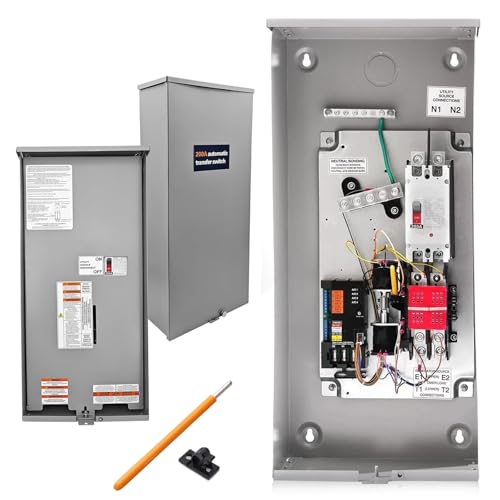


Write Your Review
No reviews yet. Be the first to share your experience!