


Severe weather events, aging utility grids, and unexpected public safety power shutoffs have turned residential backup power from an elective luxury into a critical household safeguard. When utility lines drop during winter freezes or summer thunderstorms, homeowners face immediate risks ranging from spoiled refrigerated goods and frozen hydronic heating pipes to flooded basements caused by disabled primary sump pumps. Determining whether is a whole house generator a good investment requires evaluating not just equipment specifications, but how effectively a dedicated backup system mitigates these costly residential disasters while maintaining essential family safety and daily comfort.
While the upfront capital outlay for equipment and certified trade installation represents a substantial commitment, the long-term payoff often appears through avoided emergency expenses and enhanced property appeal. Modern installations integrate high-capacity generation with automatic transfer switches that restore electricity within seconds of a blackout, keeping critical loads operational without manual intervention. Exploring residential whole house generator models reveals a wide spectrum of capacities, from compact units designed for essential circuits to high-output platforms capable of managing complete residential electrical demands.

Pros
- Clean 14kW continuous power rating with under 5% THD protects sensitive electronics and appliances.
- Comes bundled with a 200-amp transfer switch in a weather-resistant aluminum enclosure.
- Integrated Mobile Link Wi-Fi connectivity allows remote operational monitoring from mobile devices.
- Purpose-built USA-assembled G-Force engine offers quiet, fuel-efficient operation for extended outages.
- Solid 5-year limited warranty provides reliable manufacturer support.
Cons
- Requires permanent outdoor installation and professional setup by a certified, licensed electrician.
- Stationary 385-pound weight and 48-inch footprint require dedicated ground-level pad preparation.
- Higher upfront equipment and installation investment compared to portable emergency generators.
The Generac Guardian 14kW home standby generator (model 7225) is a permanently installed backup power system engineered to protect residential properties during utility grid failures. Unlike portable emergency generators that demand manual wheeling into position, fuel handling, and extension cord routing in hazardous weather, this stationary standby unit stays permanently wired to household wiring. It serves homeowners, rural property owners, and storm-preparedness planners who require automatic, dependable power restoration without physical equipment handling.
Delivering 14,000 watts of rated electricity, this generator incorporates Generac True Power Technology to maintain total harmonic distortion (THD) below 5%. That low distortion level produces clean, utility-grade electricity suitable for delicate electronic components, digital appliances, and automated home controls. Accompanied by a 200-amp transfer switch, the system provides whole-house protection architecture, though total concurrent appliance operation depends on calculating actual household running wattage and initial motor startup demand.
Mechanical reliability centers on Generac's purpose-built G-Force engine, which is engineered and assembled in the USA specifically for stationary standby operation. Designed to handle severe weather events with reduced maintenance intervals, the engine operates quieter and burns fuel efficiently during extended outages. Both the generator housing and the included 200-amp transfer switch utilize durable aluminum enclosures finished in Bisque, protecting internal electrical assemblies against corrosion, moisture, and harsh outdoor conditions.
System status is accessible through built-in Mobile Link Wi-Fi monitoring, allowing homeowners to check generator status, receive operational warnings, and track maintenance needs remotely from a smartphone or computer. This remote interface eliminates the need to step outside in severe storms just to confirm system readiness. The generator and transfer switch package is supported by a 5-year limited warranty, reinforcing manufacturer reliability for long-term residential defense.
Because this is a high-voltage, permanently wired electrical installation, Generac recommends that setup be handled by a certified and licensed electrician. The unit measures 48 by 25 by 29 inches and weighs 385 pounds, requiring dedicated outdoor pad placement and proper electrical service tie-in. Homeowners should evaluate their property's peak electrical loads and panel layout before installation to ensure the 14kW rating matches household expectations.
The Generac Guardian 14kW standby generator package is best suited for homeowners wanting automated emergency electricity without the physical labor or carbon monoxide risks associated with portable equipment. Buyers with modest backup goals or renters may prefer a portable inverter model, but for permanent, storm-ready peace of mind, this 14kW Guardian system provides a complete and dependable backup platform.
The included 200-amp transfer switch is engineered for whole-house protection, serving as the central link between utility service, the standby generator, and the main household electrical distribution panel. Enclosed in a durable, outdoor-rated aluminum cabinet, the switch is built to resist moisture and weather exposure when mounted exterior to the structure.
Generac's True Power Technology guarantees less than 5% total harmonic distortion (THD), matching or exceeding standard utility power quality. This low THD prevents electrical interference, overheating, and erratic performance when energizing modern variable-speed HVAC blowers, home office equipment, and smart appliances during an outage.
Proper integration of the 200-amp switch requires professional evaluation of the property's main service panel and total electrical load. Homeowners must ensure their installation is completed by a certified and licensed electrician to comply with local electrical codes and maintain warranty coverage.
Generac equips the 7225 model with Mobile Link Wi-Fi connectivity, allowing owners to view operating status, track upcoming maintenance tasks, and check battery health from any mobile device or web browser. This continuous data stream ensures the homeowner knows the generator is ready to start before storms arrive.
Under the hood, the purpose-built G-Force engine delivers high mechanical durability tailored specifically for stationary standby applications rather than adapted from general industrial machinery. It is engineered and assembled in the USA to handle the thermal and mechanical stresses of extended runtime while minimizing fuel consumption and maintenance demands.
The unit measures 48 inches long by 25 inches wide by 29 inches high and weighs 385 pounds, requiring a level outdoor foundation. The corrosion-resistant aluminum enclosure keeps internal components protected from rain, snow, and salt air across years of outdoor exposure.

Pros
- True Power Technology keeps harmonic distortion under 5% for sensitive household appliances and electronics.
- Mobile Link Wi-Fi provides remote operational tracking and maintenance notifications directly to mobile devices.
- Quiet-Test mode reduces engine RPM during scheduled diagnostic runs to reduce sound levels and conserve fuel.
- Dedicated standby design offers automatic emergency preparedness without manual outdoor deployment in bad weather.
Cons
- Requires professional installation by a certified electrician and connection to a permanent utility fuel supply.
- The 10kW output requires careful load prioritization and cannot run multiple large central AC units simultaneously.
- Permanent 338-pound outdoor installation makes this unit completely stationary with no portable flexibility.
The Generac Guardian 10kW (model 7171) is a permanently installed residential standby generator built to provide automated backup power during utility grid failures. Unlike portable emergency generators that require manual positioning, pull cords, and temporary extension leads, this stationary unit resides outside the home in a dedicated bisque-colored protective enclosure. It directly targets American homeowners who want a dedicated, reliable power safeguard for essential household circuits without handling fuel cans in the middle of severe storms.
In terms of electrical delivery, this Guardian model supplies 10,000 watts of clean electrical power backed by Generac True Power Technology. The manufacturer specifies that this system maintains total harmonic distortion (THD) below 5%, ensuring clean and steady voltage suitable for modern household electronics, appliances, and control boards. At 10kW, this generator is positioned for targeted essential circuit coverage or modest household electrical demands, making simultaneous load calculations vital before planning to connect demanding inductive equipment such as whole-house air conditioners or high-draw heat pumps.
Mechanical reliability comes from Generac's purpose-built G-Force engine, an overhead-valve design engineered and assembled in the USA specifically to endure the thermal stresses of standby power generation. To ensure the generator stays operational between outages, the unit includes a specialized Quiet-Test self-test mode. This routine runs the engine at a lower RPM than standard operating speeds, cutting fuel consumption and keeping neighborhood sound levels down during scheduled system exercises.
Ownership and management are streamlined through integrated Mobile Link Wi-Fi connectivity, allowing homeowners to track operating status, review runtime, and receive maintenance alerts remotely from a smartphone or tablet. The physical unit measures 27.2 by 26 by 26.5 inches and weighs 338 pounds, establishing a compact footprint alongside residential foundations. Generac recommends installation by a certified, licensed electrician, as proper implementation requires permanent utility isolation, compatible transfer equipment integration, and a qualified fuel supply hookup.
While 10kW provides solid protection for essentials like refrigerators, freezers, lighting, sump pumps, and basic household circuits, it does not represent an unlimited whole-house power solution for large, all-electric residences. Running several high-draw 240V appliances at the same time will easily exceed its 10,000-watt continuous rating. Furthermore, prospective buyers must factor in the professional installation requirements, permitting, and permanent fuel infrastructure rather than expecting a simple plug-and-play experience.
The Generac Guardian 10kW is best suited for suburban and rural homeowners seeking dependable, automated emergency preparedness to protect critical household circuits and preserve food and water management systems during severe weather. Buyers with expansive square footage, multiple central HVAC units, or fully electric heating will likely require a larger kilowatt capacity or dedicated load-management hardware. For moderate residential demands, this Guardian package delivers a proven, low-maintenance standby platform backed by a 5-year limited warranty.
Generac Quiet-Test mode resolves one of the most common complaints regarding residential standby generators by lowering the engine RPM during automatic self-test exercises. Routine exercise cycles are essential to circulate engine oil, lubricate internal seals, and verify electrical readiness, but running at full operational speed can disturb neighbors and burn unnecessary fuel. By throttling down during this diagnostic run, the G-Force engine operates noticeably quieter while conserving fuel during non-outage periods.
Complementing the low-speed self-test is Generac Mobile Link Wi-Fi connectivity, which connects the generator controller directly to your home wireless network. Through the Mobile Link platform, homeowners can check current operating status, track maintenance history, and receive immediate alerts when scheduled service or inspection is due. This remote visibility provides practical peace of mind when traveling or away from home during severe storm events, ensuring you know your backup system is prepared before severe weather strikes.
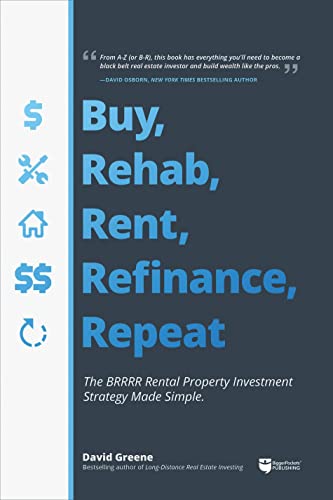
Pros
- Clear, structured framework for residential property acquisition, rehabilitation, and rental asset management
- Compact 6 x 0.75 x 9-inch dimensions and 2.31-pound weight allow convenient portability in a work bag or vehicle
- Published by BiggerPockets, an established authority in real estate investment education
- Practical reference for homeowners and landlords planning property renovations and long-term financing
Cons
- Does not provide electrical running watts, surge capacity, or power backup for household appliances or jobsite tools
- Contains no mechanical parts, engine components, fuel systems, or electrical receptacles
- Paperback cover requires protection from rain, moisture, and dust when carried to active renovation job sites
The BiggerPockets publication 'Buy, Rehab, Rent, Refinance, Repeat' is a paperback instructional book focused on residential real estate investment rather than a mechanical portable generator or emergency electrical backup unit. Written to explain the BRRRR methodology, this text is tailored for residential property owners, rental landlords, real estate investors, and DIY renovators seeking a structured approach to buying, upgrading, and refinancing homes. While product listings in backup power catalogs occasionally intersect with property management resources, buyers should recognize immediately that this product delivers educational guidance for housing assets rather than physical wattage for storm outages or jobsite electricity.
In terms of electrical performance, this product provides zero running watts, zero starting watts, and no electrical generation capacity whatsoever. The supplied specifications confirm the item is a printed paperback book in the wealth management and investment category, meaning it does not incorporate an engine, alternator, inverter module, fuel tank, or electrical receptacles. Homeowners, contractors, and emergency planners who require electricity to run refrigerators, sump pumps, power tools, or RV appliances must select a physical portable generator or battery power station separately. The informational value of this book applies to budgeting, property rehabilitation planning, and real estate finance rather than energizing residential circuits.
The physical build of this product consists of a standard paperback binding with published dimensions of 6 inches in width, 0.75 inches in depth, and 9 inches in height. According to the manufacturer specifications, the book weighs approximately 2.31 pounds, providing a solid and substantial feel typical of comprehensive reference manuals. It features no metal frame, wheel kit, control panel, or mechanical safety shutoffs, as it is manufactured entirely as a readable print volume. While the cover and binding are suitable for home study or office desks, users carrying the volume to active construction or property rehab sites should protect it from moisture, dust, and direct weather exposure.
Portability and daily handling are straightforward because the compact 6 x 0.75 x 9-inch format fits easily into a standard backpack, briefcase, or vehicle compartment. Unlike mechanical backup equipment that requires fuel stabilization, oil changes, outdoor clearance, and transfer switch installation, this book requires no fueling, electrical safety precautions, or mechanical maintenance routines. Readers can immediately review the rehabilitation and rental frameworks to evaluate properties, budget renovation costs, and plan necessary home upgrades before hiring contractors or purchasing jobsite equipment. It serves as a practical desk reference for property owners coordinating long-term housing improvements.
The primary limitation of this product is that it cannot solve immediate emergency power needs, storm outages, or jobsite electrical requirements. Shoppers looking for a dual-fuel generator, conventional open-frame generator, inverter generator, or power transfer equipment will find none of those physical electrical capabilities in this volume. Additionally, because the content focuses exclusively on financial and property investment strategies, it does not provide technical electrical wiring diagrams, generator sizing calculations, or transfer switch installation instructions for residential backup power systems.
This book is recommended for property investors, residential landlords, and ambitious homeowners who want to master property rehabilitation, refinancing, and rental asset management. Buyers searching specifically for an engine-driven generator, emergency home backup solution, or portable power station for camping or jobsites should bypass this book and choose dedicated power generation hardware. For readers actively planning property rehab projects and looking to build long-term real estate equity, the BiggerPockets BRRRR guide offers clear strategic value.
Property managers and real estate investors frequently evaluate backup power systems, transfer equipment, and emergency resilience during the rehabilitation stage of residential projects. While the BiggerPockets BRRRR book teaches the financial and operational stages of acquiring and renovating properties, it does not supply the mechanical or electrical hardware needed to power a home during an electrical grid failure.
Landlords and property renovators needing physical electricity for jobsite tools or tenant emergency backup must evaluate dedicated portable generators or standby units based on running watts, starting surge demand, and appropriate fuel types such as gasoline, propane, or natural gas.

Pros
- Robust 9,500 running watts and 12,000 starting watts handle heavy startup surges from major appliances
- DuroMax MX2 technology extracts full 120V output from receptacles or provides combined 120V/240V service
- Electric start eliminates the physical strain of manual pull-starting a large 457cc displacement engine
- Integrated idle control and automatic low-oil shutoff enhance engine longevity and operational efficiency
Cons
- Substantial dry weight of 217 pounds makes manual transport and lifting into vehicles demanding
- Operates exclusively on gasoline based on supplied specifications, lacking alternative fuel flexibility
- Open-frame portable generator design requires manual setup and dedicated outdoor placement during storm outages
The DuroMax XP12000E is an open-frame, gasoline-powered portable generator designed for heavy-duty emergency home backup, RV use, and high-demand worksites. Delivering 9,500 running watts and 12,000 starting watts, this machine is positioned for U.S. homeowners who need significant manual electrical capacity during severe storm outages or utility disruptions. Unlike permanently installed whole-house standby systems that operate automatically, this portable unit requires manual positioning, fueling, and connection, offering a flexible power source for running critical household appliances and selected circuits without the high investment of fixed infrastructure.
A 457cc DuroMax OHV engine drives the generator, generating enough surge capacity to handle the startup demands of heavy equipment such as refrigerators, home air conditioners, and high-amperage power tools. A distinctive feature of this unit is DuroMax MX2 technology, which allows operators to choose between running the generator at both 120V and 240V simultaneously or locking it into full 120V mode. When switched to 120V only, the system directs the full wattage through the 120-volt receptacles rather than splitting output across two separate phases, maximizing usable capacity for standard household plugs and RV connections.
Engineered with a rugged open-frame construction, the generator measures 30 by 30 by 26 inches and weighs 217 pounds. It includes an electric-start system to simplify startup routines, bypassing the heavy physical effort typically associated with pull-starting a large-displacement 457cc engine. For long-term durability and operational efficiency, DuroMax incorporates an automatic low-oil shutoff mechanism that disables the engine if lubricant levels drop dangerously low, alongside an idle-control feature that lowers engine RPM when power is not in demand, helping conserve fuel and reduce operating sound levels.
Deploying the XP12000E during an outage requires careful outdoor placement in an open, well-ventilated area well away from doors, windows, and fresh-air intakes to prevent hazardous carbon monoxide accumulation. Fuel-burning portable generators must never be operated inside homes, garages, basements, or enclosed spaces, and must never be connected directly to standard household wall outlets through unauthorized backfeeding. Homeowners looking to energize household circuits safely should connect the generator through a properly installed transfer switch or interlock kit, matching the generator's 120V and 240V capabilities to their electrical panel requirements while monitoring total simultaneous loads.
Prospective buyers must account for a few practical constraints inherent to this design. Weighing 217 pounds, the XP12000E is a substantial piece of equipment that requires adequate space and physical effort to maneuver into position. Additionally, the manufacturer specifications list this model as a gasoline-powered unit, meaning users must store and rotate fresh gasoline rather than relying on alternative fuels like propane or natural gas. Because this is a conventional portable generator rather than a fully enclosed inverter, it produces standard operational sound, making placement planning essential in close-proximity neighborhoods.
The DuroMax XP12000E is well suited for homeowners seeking high-capacity portable backup power capable of carrying multiple essential household circuits, well pumps, or air conditioning equipment through major weather emergencies. It also represents a practical power station for contractors handling heavy-draw tools and RV owners requiring substantial wattage. Those seeking automatic hands-off startup during outages may prefer a permanently installed standby generator, but for high-output portable emergency preparedness, this DuroMax model provides a reliable, heavy-duty electrical reserve.
Connecting the DuroMax XP12000E to a home electrical system during an emergency requires compatible transfer equipment, such as a manual transfer switch or an approved generator interlock setup. Because the generator provides dual 120V and 240V output with 9,500 running watts, it can supply electricity to multi-wire branch circuits and heavy-draw 240-volt appliances when properly integrated. Homeowners must calculate both continuous running requirements and temporary startup surges before energizing circuits to prevent tripping generator breakers.
The MX2 switch offers specific advantages for backup power management by giving users control over output distribution. When operating purely 120V appliances through extension cords or a dedicated sub-panel, engaging full 120V output prevents artificial bottlenecking on a single phase. Proper deployment always prioritizes life safety and equipment protection, which means maintaining safe exterior clearances, avoiding running refueling, and staging loads sequentially rather than energizing multiple high-draw appliances simultaneously.
Evaluating the Practical Return and Financial Value of Whole-Home Backup Power
Deciding to install whole-home emergency power is fundamentally an assessment of financial risk management, personal safety, and long-term property equity. A stationary backup system acts much like an active insurance policy that immediately activates when the municipal electrical grid collapses. Rather than assessing the purchase as an isolated expense, homeowners achieve clarity by comparing the initial equipment and installation outlay against the recurring expenses of severe storm disruptions, structural repairs, and compromised quality of life.
The Direct Financial Equation: Avoided Losses Versus Initial Capital Outlay
The true financial return of an emergency backup system often surfaces during extended, multi-day electrical outages when localized municipal services grind to a halt. In cold climates, a prolonged grid blackout can allow indoor temperatures to plummet rapidly, resulting in burst hydronic heating pipes that cause catastrophic interior water damage. Similarly, suburban properties with below-grade living areas rely continuously on primary sump pumps during intense rainfall events, where thirty minutes of lost power can result in tens of thousands of dollars in water mitigation expenses.
Beyond severe structural disasters, routine blackouts trigger immediate secondary living expenses that quickly accumulate over days without utility service. Hundreds of dollars in refrigerated groceries and perishable medications often spoil within hours once internal appliance temperatures rise past safe thresholds. Families without operational backup power frequently face steep hotel bills, boarding fees for household pets, and dining expenses while waiting for utility restoration crews to repair downed regional transmission lines.
Evaluating this financial equation requires recognizing that the overall turnkey expenditure encompasses far more than the generator crate delivered to your driveway. A complete permanent installation demands professional electrical labor to mount and wire an automatic transfer switch, master plumbing work to extend high-capacity fuel piping, local municipal permitting fees, and a dedicated concrete or composite mounting pad. Understanding these comprehensive project components helps homeowners measure actual out-of-pocket costs against the substantial losses prevented over decades of ownership.
Real Estate Equity and Resale Value Impact
Real estate appraisers and prospective home buyers increasingly view permanently installed standby power as a premium structural upgrade rather than a discretionary gadget. In storm-prone coastal regions, rural township zones, and suburban areas with vulnerable overhead power lines, a home equipped with an automatic backup system stands out prominently on the market. Buyers recognize that acquiring a property with existing, fully permitted backup generation eliminates the scheduling complexities, plumbing challenges, and electrical panel overhauls required to add a system later.
Professional property investors focusing on strategic renovations consistently prioritize capital improvements that harden residential infrastructure and prevent asset depreciation. A home that maintains continuous climate control prevents mold proliferation during hot, humid post-storm outages and safeguards expensive hardwood flooring from moisture-related warping. Consequently, properties featuring stationary backup systems frequently command higher buyer interest, shortened days on the market, and stronger appraisal valuations compared to neighboring homes lacking grid independence.
Homeowners may also discover indirect ongoing savings through residential insurance policy discounts, as certain carriers offer reduced property premiums for homes equipped with automatic emergency power and functioning freeze-protection systems. Insurance underwriters understand that automated power continuity substantially lowers the probability of frozen plumbing claims, basement inundation, and security system failures during severe weather incidents. These operational credits, combined with elevated buyer demand at resale, help offset the initial installation overhead over several years of homeownership.
Standby Systems Versus Portable Backup: Comparing Return on Investment
Homeowners evaluating backup power options face a primary architectural choice between permanently installed stationary standby units and high-capacity portable generators connected through manual switches. Stationary systems, such as Generac Guardian 10kW or 14kW models, utilize dedicated automatic transfer switches that constantly monitor utility line voltage and restore electrical current to household circuits within seconds of an interruption. This automated response occurs seamlessly whether homeowners are sound asleep, away on family vacation, or managing a workplace commute during severe weather.
Conversely, high-output portable generators like the DuroMax 12,000-watt platform offer a budget-accessible entry point that requires significantly lower upfront capital. These gasoline-powered or dual-fuel machines feature robust 457cc OHV engines capable of supplying substantial running wattage to essential branch circuits when paired with a manual transfer switch or mechanical panel interlock kit. For properties requiring specialized infrastructure, examining backup power systems for large homes illustrates how high-demand residences balance these substantial electrical loads against automated switchgear capabilities.
The core financial tradeoff between these platforms centers on convenience, physical capability, and mechanical engagement during an emergency. Operating a portable unit requires wheeling heavy equipment into the outdoors, managing heavy-gauge generator cords, switching panel breakers manually, and replenishing liquid fuel in adverse storm conditions. For households with elderly residents, frequent travel schedules, or essential medical machinery, the higher initial investment of an automatic standby generator provides dependable, hands-off continuity that manual portable platforms cannot match.
Fuel Infrastructure, Meter Flow, and Ongoing Operating Expenditures
The ongoing operational cost of residential generation depends heavily on the fuel platform chosen to supply the engine during prolonged outages. Natural gas offers continuous utility delivery that eliminates the physical burden of transporting fuel cans or monitoring storage levels during widespread municipal supply shortages. However, natural gas delivers approximately ten to fifteen percent lower energy density than liquid propane, causing engines to experience a corresponding kilowatt derating that must be accounted for during initial electrical calculations.
Supplying an engine with natural gas demands careful inspection of the existing residential utility meter and delivery pipe diameters. High-demand generator engines require substantial volume, frequently drawing over two hundred thousand British Thermal Units per hour under full electrical load, which can easily exceed the capacity of standard residential gas meters. If the utility meter or connecting plumbing suffers from excessive water column pressure drop, the engine may experience severe fuel starvation and stall when central air conditioners or well pumps cycle on.
Liquid propane provides higher energy density, zero fuel degradation over years of storage, and full rated kilowatt capacity without fuel derating penalties. Properties relying on on-site propane tanks must maintain adequate storage volume, as high-output generators consume multiple gallons of fuel per hour under moderate loads. In freezing winter weather, propane vaporization rates decline inside smaller tanks, requiring larger or buried fuel reservoirs to sustain continuous dynamic pressure during sub-zero cold snaps.
Electrical Sizing and Inrush Demands: Avoiding Costly Over-Engineering
One common misstep that inflates generator expenditures is sizing equipment based strictly on total home square footage rather than accurate inductive electrical load calculations. Household appliances with electric motors, including central air conditioning compressors, heat pumps, and deep-well submersible pumps, require a massive momentary surge of power known as Locked Rotor Amps (LRA) to start. If a generator cannot supply sufficient surge wattage to overcome this inductive inrush, the engine will experience severe voltage sag and potentially trip its protective circuit breakers.
Rather than purchasing a massive commercial generator to handle occasional compressor starting spikes, homeowners can integrate smart load management hardware and electronic soft-starter modules. A compressor soft-starter gradually ramps up voltage to the HVAC compressor motor, reducing peak starting current draw by up to seventy percent and allowing modest generator capacities to manage high-tonnage cooling systems effortlessly. For smaller residential floor plans, reviewing compact home backup generators helps illustrate how targeted load shedding keeps capital costs aligned with genuine electrical necessities.
Modern automatic transfer switches often include intelligent load-shedding modules that actively monitor total generator electrical output in real time. If the generator approaches its rated continuous operating limit when an electric water heater or oven activates, the transfer switch temporarily disconnects non-essential branch circuits until electrical demand stabilizes. This intelligent management allows a ten to fourteen kilowatt standby generator to perform the work of a significantly larger unit, optimizing fuel consumption and lowering initial equipment costs.
Power Quality, Appliance Protection, and Electronics Safety
Modern residential properties are filled with sensitive microprocessor-controlled appliances, variable-speed ECM furnace blowers, and smart home automation electronics that demand clean electrical current. Standard utility grid power delivers a smooth alternating current sine wave, but low-quality generators can introduce substantial Total Harmonic Distortion (THD) into household wiring. High harmonic distortion causes electrical noise, excess motor heat, erratic control board behavior, and premature component failure in modern high-efficiency appliances.
Premium standby generators, including Generac Guardian units equipped with True Power Technology, maintain Total Harmonic Distortion below five percent under active electrical loads. This level of power quality matches or exceeds conventional utility standards, ensuring that laptops, television displays, home medical devices, and high-efficiency heat pumps operate safely without risk of electronic degradation. Portable units utilizing DuroMax MX2 technology also offer switchable voltage regulation to maximize output across standard receptacles while maintaining operational safety.
Protecting valuable household appliances against transient electrical spikes also requires installing whole-house surge protective devices directly adjacent to the main electrical panel and transfer switch. When utility power abruptly restores following a widespread outage, grid voltage can surge violently before stabilizing at nominal levels. A properly integrated surge protective device absorbs these high-voltage transients, safeguarding both the standby generator switchgear and the home’s sensitive electronic infrastructure from catastrophic electrical damage.
Routine Maintenance Overhead and Long-Term Durability
Realizing the maximum operational lifespan of an emergency generator requires budgeting for regular mechanical maintenance and consumable replacement parts. Stationary engines operate at high rotational speeds, typically running at thirty-six hundred revolutions per minute under load to generate standard sixty-hertz alternating current. During an extended blackout lasting several consecutive days, these engines require scheduled shutdowns every one hundred to two hundred operational hours to inspect oil levels, replace synthetic engine lubricants, and swap out oil filters.
Routine ownership overhead also involves scheduled periodic exercise cycles designed to circulate internal engine oil, burn off internal moisture, and verify starting battery readiness. Advanced standby units incorporate quiet self-test exercise modes that operate the engine at reduced rotational speeds, significantly dampening acoustic noise and conserving fuel while maintaining system reliability. Neglecting these weekly exercise routines or failing to service the twelve-volt starting battery remains the primary reason standby generators fail to crank when the utility grid drops unexpectedly.
Physical enclosure durability represents another crucial factor influencing long-term return on investment, particularly for homes situated in humid or coastal environments. Standard galvannealed steel enclosures provide sturdy mechanical protection in dry inland regions but can develop surface corrosion over years of exposure to ocean salt spray or intense industrial humidity. Marine-grade aluminum enclosures provide superior corrosion resistance, ensuring that the structural shell remains intact and weather-resistant across decades of harsh seasonal storms without degrading property aesthetics.
When a Whole House Generator Delivers the Strongest Investment Return
A whole-home generator delivers an exceptionally strong return on investment for properties facing specific geographic, environmental, or household vulnerabilities. Rural homeowners dependent on private deep-well water pumps and septic lift stations lose complete sanitation and running water the instant utility power fails, making backup generation a fundamental necessity. Similarly, households that support family members reliant on continuous home oxygen concentrators, CPAP machines, or refrigerated medications cannot tolerate prolonged blackout durations without serious health hazards.
Remote professionals operating home businesses also derive immediate financial value from uninterrupted power continuity, avoiding costly project delays, missed client communications, and lost productivity during regional utility outages. When combined with the prevention of frozen hydronic plumbing, finished basement flooding, and costly emergency hotel relocations, an emergency backup system often recovers a major portion of its total investment during a single severe winter ice storm or summer hurricane. Sustained electrical uptime ensures that daily business operations proceed uninterrupted regardless of neighborhood distribution grid failures.
Ultimately, determining whether emergency backup generation is a worthwhile investment hinges on your property location, local power grid reliability, and tolerance for severe storm disruptions. Calculating accurate inductive wattage requirements and accounting for fuel derating ensures the chosen platform reliably covers household needs. Relying on certified trade professionals for safe, code-compliant installation transforms an upfront capital expense into permanent property security and lasting peace of mind.



Write Your Review
No reviews yet. Be the first to share your experience!