


Sudden electrical surges and dropping frequencies can quickly ruin sensitive appliances during a prolonged power outage. A diesel genset depends heavily on constant rotational speed, usually 1800 or 1500 RPM, to produce stable alternating current at 60Hz or 50Hz. When heavy inductive loads like air compressors or water pumps kick on, the engine bogging down causes voltage dips that trigger equipment shutdowns. Upgrading your genset with the Best Electronic Governor For Diesel Generator provides closed-loop feedback through a magnetic pickup sensor and actuator, instantly feeding more fuel to counteract speed drops before they affect downstream breakers. Whether you manage emergency standby power for a rural homestead or maintain heavy-duty 30kW 3-phase generator systems, reliable engine governing protects both the motor and your valuable electrical hardware.
Mechanical flyweight governors often struggle with sluggish response times and mechanical droop as loads swing rapidly. Modern electronic speed control units read flywheel ring-gear pulses in milliseconds, adjusting fuel racks smoothly to eliminate hunting, surging, and excessive black exhaust smoke during startup. Matching the right controller voltage, magnetic pickup frequency range, and actuator current rating ensures your engine maintains tight frequency regulation without overheating control circuits. Much like balancing power delivery on tractor PTO backup power setups, integrating a dedicated speed controller delivers consistent kilowatt output through every sudden load transition.

Pros
- Complete replacement bundle with governor, 12V actuator, and speed sensor eliminates the need to source matching parts separately
- Closed-loop electronic speed regulation helps prevent voltage and frequency drops when heavy electrical loads kick on
- Rugged aluminum alloy casing withstands harsh under-hood operating conditions and engine vibration
- Clearly labeled wiring terminals help make field replacement straightforward for experienced technicians
Cons
- Requires technical knowledge of generator electrical systems, linkage setup, and calibration for proper operation
- Designed specifically for 12V systems (ADC120-12V actuator) and is not compatible with 24V starting and charging architectures without appropriate component changes
- Does not include mounting hardware, linkage rods, or detailed engine-specific installation manuals in the box
The findmall ESD5500E generator speed control kit is a complete engine governing replacement package designed to restore smooth, steady operation to stationary and backup generators. Consisting of an ESD5500E electronic speed control unit, an ADC120-12V actuator, and an MSP675 magnetic speed sensor, this set is built for generator mechanics, property owners, and technicians servicing engines that suffer from RPM hunting or erratic power output. Because it serves as a replacement component for Cummins and other mainstream engine platforms, it suits buyers who need a reliable speed control assembly without purchasing costly individual OEM components.
In terms of operational performance, the system functions as a closed-loop governor that continuously monitors and corrects engine speed in real time. The MSP675 magnetic pickup sensor detects flywheel ring-gear teeth passing the sensor face and feeds a frequency signal into the ESD5500E control module. When electrical demand spikes, the controller instantly commands the ADC120-12V actuator to adjust the mechanical fuel linkage, preventing engine sag and keeping output frequency steady at standard operating levels. This fast response helps protect connected electrical equipment from damaging voltage drops and frequency variations during sudden load changes.
Build quality focuses on engine-bay durability, featuring a rigid aluminum alloy housing that shields delicate internal control circuitry from thermal stress and mechanical vibration. The ESD5500E control board incorporates standardized screw terminals with legible wiring labels, simplifying connections for the sensor input, 12-volt DC supply, actuator output, and optional trim potentiometers. Weighing approximately 6.4 pounds in total, the actuator and speed control unit feel sturdy enough to handle the continuous mechanical demands of industrial or standby power generation.
Installation and calibration require a solid understanding of small-engine mechanics and electrical wiring. Technicians must mount the MSP675 sensor into the flywheel housing at the correct air gap, secure the ADC120 actuator, and properly fabricate or align the mechanical linkage to the fuel injection pump or throttle arm. Wiring is straightforward thanks to labeled interface terminals, but dialing in gain, stability, and droop settings on the ESD5500E is essential to eliminate idle instability or overspeed conditions before subjecting the generator to heavy household or jobsite loads.
Despite its broad compatibility, the findmall kit has clear application constraints that prospective buyers must evaluate before purchasing. The supplied ADC120 actuator is strictly rated for 12V electrical systems, meaning it cannot be installed on 24V battery systems without an auxiliary step-down setup or swapping the actuator coil. Additionally, the package does not include custom mounting brackets, linkage rods, or an engine-specific service manual, so buyers must supply their own mechanical linkage and possess the necessary technical skills to safely set up and tune the governor.
For facility managers, rural property owners, and equipment technicians troubleshooting generator engine speed instability, this findmall ESD5500E package offers a cost-effective path toward restoring dependable power generation. Verifying your engine's electrical voltage, sensor thread pitch, and actuator linkage arrangement is critical before installation, but once properly tuned, the system provides responsive speed management that helps keep generator voltage and frequency rock solid during emergency outages.
The findmall ESD5500E kit is designed to replace speed control systems on Cummins and comparable industrial diesel or gasoline generator engines. Successful installation requires verifying that your generator operates on a 12-volt direct-current electrical system, as the bundled ADC120-12V actuator requires 12V power to operate correctly.
Mounting requires fitting the MSP675 magnetic pickup into the flywheel bell housing, carefully adjusting the air gap against the ring gear teeth, and running shielded wire to prevent electrical noise interference. The installer must also fabricate or adapt an existing mechanical linkage rod between the actuator shaft and the engine fuel rack or throttle lever to ensure full mechanical travel without binding.
Electronic governors like the ESD5500E provide significant performance benefits over purely mechanical flyweight governors by eliminating steady-state speed droop and sluggish response times. When heavy loads engage, an electronic control unit detects speed drops within milliseconds and commands the actuator to deliver more fuel immediately.
Maintaining stable engine RPM is vital for generator applications because engine speed directly dictates AC frequency. For standard 60 Hz power in the United States, keeping the engine locked at its target operating speed protects appliances, motors, and sensitive electronic controls from frequency-induced overheating and voltage fluctuations.


Pros
- Rugged electronic enclosure designed for harsh engine-mounted and cabinet environments
- Clear vertical mounting orientation recommendation protects against moisture and condensation buildup
- Direct component replacement for managing engine speed on compatible diesel generators
- Compact footprint integrates smoothly with existing generator control hardware
Cons
- Requires technical electrical knowledge, wiring diagrams, and compatible actuators to install safely
- Component-only product that does not function as a standalone generator
- Specific system voltage and terminal pinout requirements must be confirmed against equipment manuals before purchase
The Knowtek ESD5120 Engine Speed Control Unit is an electronic governor controller engineered specifically for diesel generators. It serves property owners, commercial operators, and equipment technicians who maintain standby or prime-power diesel generation systems. Unlike complete consumer generators, this product is an internal replacement component designed to govern engine speed and maintain steady operating RPM.
Consistent engine speed directly determines alternating current frequency in a diesel generator setup. The ESD5120 regulates engine response by coordinating with electronic actuators to deliver precise fuel metering when electrical loads change. Proper governing prevents engine surging or sudden bogging, which protects connected home circuits, transfer equipment, and motor-driven appliances from frequency instability during power outages.
Physical durability is a central consideration for generator electronics due to engine heat, vibration, and environmental exposure. The manufacturer states that the ESD5120 is built ruggedly enough for placement inside dedicated electrical control cabinets or directly within engine-mounted enclosures. When moisture or condensation is a risk, the unit is designed to be mounted vertically so that accumulated liquids drain away from internal electronic components.
Installing the Knowtek ESD5120 requires electrical expertise, appropriate tools, and reference to the generator manufacturer wiring schematic. Connecting a speed control unit involves linking power terminals, magnetic speed sensors, and actuator leads while ensuring electrical safety. Generator operators should ensure all battery power and automatic starting circuits are disconnected before opening enclosures to perform governor replacement or maintenance.
A practical limitation of this product is that it functions only as one component of a larger governing system. The listing data does not provide full terminal diagrams or actuator compatibility limits, requiring buyers to verify exact part numbers and generator models before ordering. Additionally, an electronic governor controller cannot resolve mechanical issues such as clogged fuel filters, binding throttle linkages, or worn injectors.
The Knowtek ESD5120 is a practical, value-oriented replacement option for restoring dependable speed control on diesel generator sets. Technicians and emergency-preparedness planners looking to replace a damaged governor controller will appreciate its rugged enclosure-ready design, provided they verify mechanical and electrical compatibility prior to purchase.
The Knowtek ESD5120 provides flexible mounting options for integration into stationary or mobile diesel generator systems. The unit can be placed inside an external electrical control cabinet or positioned directly inside an engine-mounted housing alongside existing control equipment.
Moisture protection is critical for long-term electronic reliability in outdoor and generator-shed installations. The manufacturer specifies vertical mounting whenever the controller may encounter water, mist, or condensation, allowing fluids to run off without pooling on delicate electronic connections.
Safe installation requires matching the controller terminals to the engine magnetic pickup and fuel control actuator according to your specific diesel generator service manual. Always isolate the starting battery and lock out automatic transfer controls before handling internal wiring to ensure safe working conditions.

Pros
- Broad 10-32VDC input voltage supports both 12V and 24V generator starting battery systems.
- Multi-fuel versatility works across diesel, gasoline, and natural gas generator prime movers.
- Equipped with dedicated smoke limiting and adjustable idle speed regulation circuits.
- Serves as an effective replacement option for discontinued EG1065X and EG1069X controllers.
- Compact 2-pound form factor mounts easily inside standard generator control boxes.
Cons
- Requires technical electrical knowledge to wire MPU sensors, actuators, and battery power correctly.
- Does not include an external actuator, magnetic speed pickup sensor, or wiring harness.
- Proper RPM calibration and stability tuning require test instruments like a frequency meter or digital tachometer.
The Knowtek EG2000 is an electronic engine speed control unit designed to govern engine RPM on stationary and portable generator sets. Because a generator alternator requires a consistent rotational speed to deliver a stable 60 Hz or 50 Hz AC electrical frequency, an electronic governor plays a critical role in system reliability. This module is tailored for generator technicians, industrial equipment mechanics, rural property owners, and off-grid power users who need to replace a damaged speed controller or retrofit an older engine governor system.
In terms of operational compatibility, the EG2000 features a wide operating range of 10 to 32 VDC, allowing it to function reliably on both 12-volt and 24-volt direct-current starting battery systems. The manufacturer specifies compatibility with diesel, gasoline, and natural gas engines utilizing built-in or external PT pumps. It also works with low-current actuators and electric-over-hydraulic oil pump governor actuators. Built-in smoke limiting helps control exhaust emissions and black smoke spikes during cold starting, while the idle speed control allows an engine to reach safe operating temperature before transitioning to full rated speed under electrical load.
The physical unit is built as a compact control box measuring 6 inches long, 4 inches wide, and 2 inches tall, with a total listed weight of 2 pounds. The sturdy black casing contains adjustment potentiometers for fine-tuning engine stability, gain, idle, and speed regulation. For owners maintaining legacy equipment, the EG2000 serves as a viable alternative for obsolete components, specifically noted as compatible for replacing discontinued EG1065X and EG1069X controllers that are no longer in production.
Installation involves mounting the module inside an electrical control enclosure or weather-shielded generator cabinet, away from direct engine exhaust heat and severe vibration. Setup requires connecting leads from a magnetic pickup (MPU) sensor positioned near the engine flywheel, as well as wiring the power supply and actuator. Because the unit accepts a wide range of MPU flywheel frequencies, it adapts well to different engine tooth counts, but proper initial calibration is essential to eliminate engine surging or frequency hunting when heavy household or jobsite electrical loads engage.
Realistic limitations must be kept in mind before ordering. The Knowtek EG2000 is strictly an electronic governor brain; it does not include an actuator, linkage rods, magnetic pickup sensor, or pre-made wiring harness. Installing and tuning this controller requires a clear understanding of DC control circuits, engine governing principles, and electrical frequency calibration, making it less suitable for casual generator users without technical experience.
For generator owners, facility managers, and equipment mechanics maintaining commercial, agricultural, or emergency backup power plants, the Knowtek EG2000 provides a versatile, cost-effective replacement governor. Its dual 12V/24V support, broad multi-fuel compatibility, and dedicated smoke-limiting features make it a dependable component for restoring precise engine speed control.
An electronic speed control unit is essential for maintaining power quality from conventional generator sets. The Knowtek EG2000 works in a closed loop with a magnetic pickup (MPU) sensor on the engine flywheel and an actuator connected to the fuel rack or throttle. By measuring flywheel gear pulses across a wide frequency spectrum, the controller instantly senses RPM drops when electrical loads switch on and commands the actuator to supply more fuel, preventing severe voltage and frequency dips.
The dedicated smoke limiting and idle speed adjustments are particularly beneficial for diesel backup generators. Smoke limiting restricts fuel overshoot during initial acceleration, preventing heavy soot buildup and exhaust blockages, while idle control protects engine bearings during cold-weather startups before bringing the generator up to synchronous operational speed.


Frequently Asked Questions About Diesel Generator Governors
How does an electronic governor maintain steady electrical frequency on a diesel generator?
An electronic governor maintains steady AC output frequency by regulating engine RPM through a continuous closed-loop circuit. The speed controller receives high-frequency pulses from a magnetic pickup sensor mounted near the flywheel ring gear and compares that signal against a preset operating reference. If a sudden electrical load pulls engine speed below the target, the unit instantly boosts output current to the mechanical actuator, opening the fuel rack to stabilize RPM. This rapid response keeps generator output locked near 60Hz or 50Hz, preventing harmful frequency fluctuations that can damage motor-driven appliances.
Can an electronic speed controller operate on both 12V and 24V battery systems?
Yes, many universal models like the EG2000 and EG3000 accept a wide operating range spanning 10VDC to 32VDC to match standard starter battery banks. The electronic control board matches incoming DC supply voltage to drive the attached linear or rotary actuator with adequate operating current. You must verify that your specific actuator coil voltage matches your genset battery system, because feeding a 12V actuator with a 24V power supply will cause rapid coil overheating and component failure. Checking supply polarity and transient voltage protection ratings before wiring prevents board burnout during engine cranking.
What causes engine hunting or surging after installing the Best Electronic Governor For Diesel Generator?
Engine hunting is typically caused by incorrect gain and stability potentiometer adjustments on the speed control board. Setting the gain parameter too high makes the governor overreact to minor flywheel speed variations, which forces the actuator to oscillate back and forth around the target RPM. Mechanical linkage binding, loose magnetic pickup wiring, or dirty speed sensor tips can also inject electrical noise that confuses the microprocessor. Backing off the gain setting slightly and tuning the stability trimmer brings the diesel engine into a calm, steady idle or rated running speed in 2026.
What is the function of the smoke limiting feature during engine startup?
The smoke limiting adjustment restricts initial fuel rack opening until the engine builds sufficient rotational momentum and turbocharger boost pressure. Diesel engines naturally produce heavy unburnt fuel soot if given full throttle from a dead stop, creating excessive exhaust smoke and harsh mechanical shock. By using a controlled soft-start ramp rate, the governor delivers smooth acceleration from cranking speed up to rated operating RPM. This managed fuel delivery lowers startup vibration, reduces carbon buildup on exhaust valves, and prolongs actuator linkage life.
How does a diesel genset speed controller differ from the power conditioning in an off-grid solar setup?
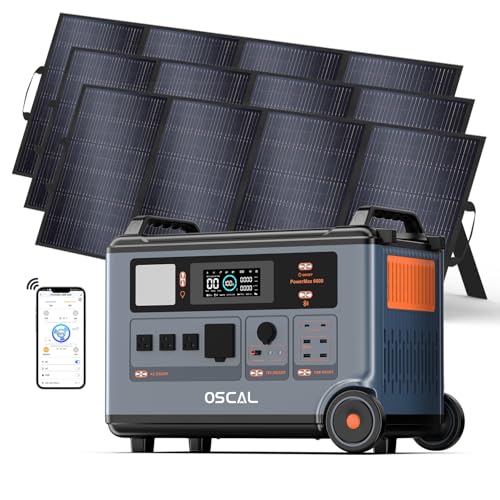
A diesel speed controller maintains alternating current frequency by mechanically governing engine shaft rotation, whereas solid-state off-grid setups synthesize AC power electronically through power electronics. If you connect sensitive recreation hardware to an off-grid solar generator with an RV plug, high-speed pure sine wave inverters govern voltage and frequency digitally with virtually zero mechanical delay. A diesel generator relies entirely on its electromechanical governor to react to sudden load steps, making precise control adjustments essential for preventing voltage sag during continuous power generation.
Where should you mount an electronic speed governor on a generator set?
Mount the speed control unit vertically inside an enclosed generator control cabinet away from direct heat and water spray. Vertical orientation allows any internal condensation or ambient moisture to drain downward away from sensitive circuit board components. Installing the controller away from intense engine vibration and high-current alternator leads prevents electromagnetic interference from corrupting the magnetic pickup signal. Always ensure adequate airflow around the metal heat sink backplate to dissipate heat generated by continuous actuator driving current.







Write Your Review
No reviews yet. Be the first to share your experience!