


Voltage drops and harmonic distortion quickly ruin delicate inverter circuitry during metal fabrication. Striking an electrical cutting arc demands massive surge wattage, and feeding your torch from an unstable open-frame unit risks fried control boards or constant pilot arc dropouts. Selecting the best generator for plasma cutters means you can’t overlook the balance between continuous running watts and the instantaneous peak required to ionize compressed air. Pairing your cutting rig with a clean power inverter generator keeps your arc steady so it won’t stutter halfway through thick steel plate.
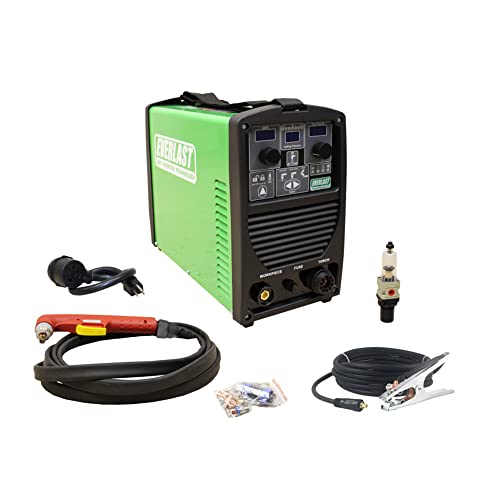
Jobsite crews working off-grid need dependable 240V current alongside enough reserve capacity to run an air compressor simultaneously. Technical specifications from brands like Everlast and ARCCAPTAIN show that inverter cutters require clean power with under 5% total harmonic distortion (THD) to protect sensitive microprocessors. Examining dependable generators for mobile work highlights how proper surge headroom prevents breaker trips during heavy piercing cycles. Checking continuous wattage curves, clean output ratings, and twist-lock receptacles guarantees your metal cutting setup runs smoothly without sudden power dips.






Frequently Asked Questions
How many watts does a generator need to run a plasma cutter?
A generator needs between 6,000 and 11,000 continuous running watts to operate a plasma cutter smoothly. Plasma torches draw high initial current when ionizing the arc, particularly on 240V settings cutting thick material. You must also account for the electrical draw of your air compressor if both tools share one power source. Everlast specifications indicate that 50A and 60A cutters require at least 8,500W to 11,000W of clean generator capacity to avoid breaker trips.
Can dirty power from an open-frame generator damage a plasma cutter?
Yes, high total harmonic distortion (THD) can permanently burn out modern plasma cutter circuit boards. Inverter units feature digital MCU microprocessors and IGBT modules that require pure sine wave electricity with under 5% THD. Running high THD current causes arc instability and electrical component failure. Connecting to power equipment delivering clean electricity for sensitive electronics protects your torch circuitry from voltage spikes.
Can you run an air compressor and plasma cutter on the same generator?
Yes, provided the generator provides sufficient surge wattage to handle both simultaneous electrical loads. Air compressor induction motors demand three to four times their rated running watts when kicking on. If the compressor cycles while the plasma torch is cutting steel, an undersized generator stalls or trips. Sizing your setup using models found among the best backup generators with at least 10,000 starting watts ensures continuous cutting operation.
Why do non-HF blowback plasma cutters work better on generator power?
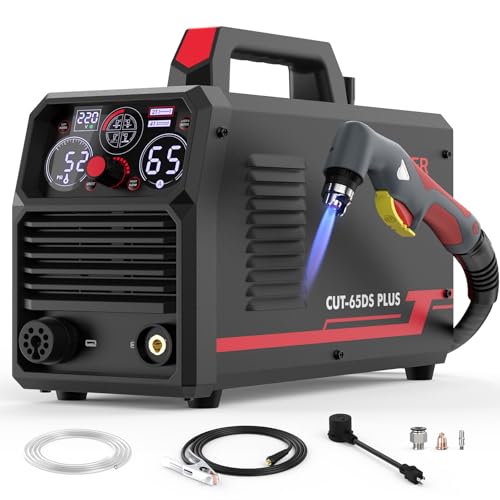
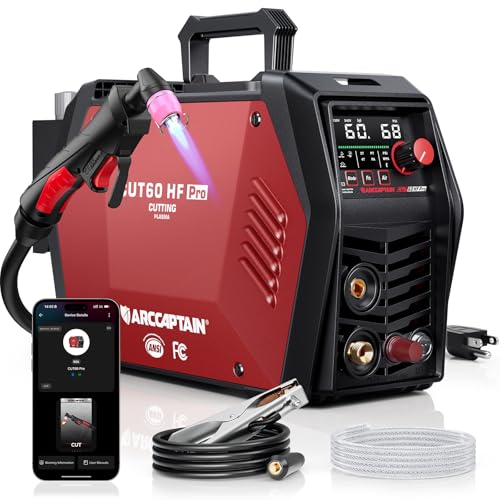
Blowback non-HF cutters initiate mechanically without emitting high-frequency electromagnetic interference. High-frequency (HF) arcs emit electrical noise that disrupts generator electronic governors and digital control screens. Blowback pilot torches, like those on YESWELDER and ARCCAPTAIN models, strike cleanly without interference. This physical arc initiation keeps generator output stable and protects surrounding electronic equipment.
What outlet configuration is required on the Best Generator For Plasma Cutters?
A 240V NEMA L14-30R twist-lock or a 50-amp 14-50R outlet is necessary for serious metal cutting. Dual-voltage plasma cutters operate on 120V household outlets only for thin sheet metal at low amperage. Utilizing a dedicated 240V receptacle balances the electrical draw across both generator hot legs, giving your torch the amperage needed for clean, deep cuts.


Write Your Review
No reviews yet. Be the first to share your experience!