


Severe weather events, utility transformer trips, and seasonal grid overloads can plunge a residential property into darkness without warning. Learning how to setup a backup generator provides immediate security against spoiled food, frozen plumbing, and failed basement sump pumps. Many homeowners encounter confusion when evaluating power requirements, mechanical transfer switches, and exterior clearance regulations. Establishing a safe, code-compliant connection safeguards your family and ensures critical household systems remain operational throughout an extended utility outage.
Electrical safety and proper equipment matching form the foundation of any dependable emergency power strategy. Directing power safely into your home requires isolating electrical legs to prevent fatal utility backfeed while managing peak motor surge currents. Consulting specifications for proven backup generators for home use allows you to balance continuous running wattage against essential circuit demands. Taking a structured, methodical approach to your initial installation eliminates dangerous guesswork during a crisis.

Pros
- Solid output with 3,400 running watts and 4,400 starting watts suited for basic home essentials and RV gear
- Equipped with a dedicated 30A RV outlet, dual standard 120V AC ports, and a 12V DC outlet
- Delivers up to 14 hours of runtime at a 25% load on a 2-gallon fuel capacity
- Open-frame format keeps overall dry weight relatively low at 56 to 57 pounds for easier transport
- Features ECO mode for engine management along with protective low-oil and overload safeguards
Cons
- Does not provide a documented Total Harmonic Distortion (THD) percentage or pure-sine-wave specification in the listing data
- Open-frame layout lacks full acoustic baffling, and the manufacturer lists no official decibel sound rating
- Single-fuel gasoline operation without electric start, remote start, or documented parallel expansion capability
The Oxseryn 4400-Watt portable generator is an open-frame inverter generator engineered to provide dependable 120V electricity for recreational vehicle enthusiasts, DIY jobsite projects, and emergency home backup. Built around an engine-driven inverter architecture, this model is designed to convert and regulate electrical output more efficiently than traditional mechanical generators while maintaining the straightforward durability of a tubular steel roll-cage frame. For American homeowners and outdoor travelers seeking a balance between raw wattage capacity and portable weight, this unit targets the common power band needed to operate essential appliances during utility interruptions or camping excursions.
In terms of electrical capability, the generator is listed at 3,400 running watts and 4,400 peak or starting watts. This continuous rating accommodates appropriately sized 120V loads such as household refrigerators, sump pumps, LED lighting, or select RV air-conditioning units, while the peak capacity provides brief overhead for motor-driven equipment startup demand. The control interface features two standard 120V AC household receptacles, one dedicated 120V 30A RV port, and a 12V DC port for auxiliary charging. Fuel efficiency is supported by a 2-gallon gasoline tank that delivers a stated runtime of up to 14 hours when operated at a 25% electrical load. The product data does not provide a numeric Total Harmonic Distortion (THD) figure or an explicit pure-sine-wave declaration, meaning buyers should exercise normal caution before connecting sensitive microelectronics without manufacturer-verified power-quality data.
The physical design utilizes an open-frame configuration rather than a fully enclosed plastic shell, maintaining an overall dry weight between 56 and 57 pounds with outer dimensions of 19.4 by 15.2 by 19.2 inches. This open layout allows for effective passive cooling around the engine and electrical components while keeping the generator easy to lift into truck beds or storage spaces. Built-in features include an ECO mode switch that adjusts engine speed relative to electrical draw, integrated overload protection, and an automatic low-oil shutdown sensor to protect the engine from low lubrication levels. Additionally, Oxseryn notes that all units undergo functional factory testing before shipment, meaning a minor scent of fuel upon initial unboxing is standard.
Operation and ongoing ownership are geared toward functional utility. The unit incorporates cold start technology to facilitate manual starting during chilly mornings at a campsite or after a winter storm. Fuel-burning generators produce carbon monoxide, requiring that this unit only ever be operated outdoors on a dry, level surface far away from open windows, doors, and vents. It must never be used inside a home, garage, shed, or partially enclosed structure. Connecting this generator to home wiring requires a professionally installed manual transfer switch or interlock kit; direct backfeeding through a household wall outlet is hazardous and must never be attempted.
Several practical limitations should be evaluated prior to purchase. Because this model uses an open frame and does not publish an official decibel rating, sound levels will typically be more noticeable than those from fully enclosed suitcase inverter generators. The generator is limited to single-fuel gasoline operation and does not provide an electric push-button or wireless remote start. Furthermore, the unit does not produce 240V output, restricting its capability to 120V circuits, and the supplied documentation does not list parallel connectivity, meaning output cannot be doubled by chaining a second generator.
For budget-focused homeowners, campers, and RV owners, the Oxseryn 4400-Watt open-frame inverter generator presents a practical power-to-weight ratio with useful plug-and-play 30A RV readiness. It serves users who need more continuous wattage than compact 2,000-watt units can provide without jumping to the substantial weight and expense of larger machines. Buyers who require multi-fuel flexibility, documented sub-3% THD for delicate laboratory electronics, 240V well pump support, or push-button starting should look toward larger enclosed dual-fuel models or stationary standby power systems.
The inclusion of a 120V 30A RV receptacle allows direct connection to compatible camper and travel trailer electrical cords without needing third-party adapters. With 3,400 running watts available, the generator provides sufficient continuous power to run an RV converter, interior lights, minor kitchen appliances, and standard motor loads within the stated 120V limits.
For emergency residential backup, this generator can support critical survival circuits through heavy-duty outdoor extension cords or a properly configured 120V transfer switch. Users must calculate the total simultaneous wattage of connected equipment, factoring in both continuous operating watts and initial startup surges, to ensure loads stay within the 3,400-watt running and 4,400-watt peak limits.
The open-frame architecture of the Oxseryn generator delivers distinct practical advantages in weight and service access compared to fully enclosed suitcase-style inverter generators. By eliminating heavy sound-insulating body panels, the total weight remains around 56 to 57 pounds, making the machine substantially easier to carry and maneuver for a single person or a two-person team.
The structural steel perimeter frame also provides rigid lift points and straightforward access to maintenance areas such as the spark plug, air cleaner, and oil drain ports. However, because it lacks full acoustic shielding, operating noise will generally be higher than that of an enclosed inverter, making site placement an important consideration at campgrounds and residential lots.


Pros
- Covers essential selection and wiring criteria for both portable generators and permanent standby systems.
- Provides clear explanations of household load sizing, running watts, and surge capacity planning.
- Highlights critical electrical safety standards, including transfer equipment requirements and safe panel connections.
- Convenient 6 x 9-inch paperback format fits neatly into an emergency preparedness binder or workshop shelf.
Cons
- This product is an instructional paperback book, not actual generator machinery or electrical installation hardware.
- General printed guidance cannot substitute for regional municipal electrical codes, utility mandates, or licensed electrical work.
- At roughly 0.38 inches thick, it functions as a concise practical guide rather than an exhaustive multi-volume engineering text.
The Home Generator Installation & Service Guide is an independently published paperback manual designed to help American homeowners, rural property owners, and DIY planners evaluate, install, wire, and maintain backup power systems. Rather than an engine-driven machine, this product is a dedicated educational handbook focusing on both portable generators and permanently installed standby systems. It serves first-time generator buyers, storm-preparedness households, and experienced homeowners who want to understand the technical prerequisites of emergency electrical backup before purchasing equipment or hiring a contractor.
The core value of this instructional text lies in demystifying generator selection, load calculations, and household electrical connection methods. The guide walks readers through essential power distinctions, explaining how continuous running watts differ from brief starting surge watts when energizing motor-driven appliances like sump pumps, refrigerators, or well pumps. It also examines the operational tradeoffs between portable units running on gasoline or propane and whole-house standby systems fueled by utility natural gas or LP tanks. By clarifying receptacle configurations, voltage options (120V versus 240V), and fuel requirements, the text helps readers choose the right equipment profile for their specific household backup strategy.
In terms of physical presentation, this paperback edition measures 6 x 0.38 x 9 inches and weighs approximately 0.51 pounds. Its compact physical footprint allows it to sit comfortably on a workshop bench, in a utility trailer, or alongside storm-emergency supplies in a home office. The layout provides structured technical guidance covering generator inlet boxes, manual transfer switches, and panel interlock kits designed to connect backup power safely into a breaker panel without hazardous utility backfeeding. It also outlines essential routine service schedules, including oil changes, spark plug upkeep, carburetor maintenance, and fuel stabilization for long-term storage.
For practical implementation, the manual bridges the gap between buying equipment and executing a safe emergency power plan during severe weather outages. It emphasizes that proper setup requires strict adherence to outdoor operating clearances to eliminate carbon monoxide risks, reinforcing that fuel-burning generators must never operate indoors, inside attached garages, or near open windows. Homeowners planning their first setup can use the provided guidance to organize permits, coordinate with licensed electricians where necessary, and establish a regular engine exercise routine so equipment functions reliably when grid power fails.
Prospective buyers should recognize clear boundaries regarding what a printed guide provides. This publication is an educational reference manual, meaning it does not supply the physical wiring, cables, transfer switches, or generator hardware required for an actual physical installation. Furthermore, local building codes, National Electrical Code (NEC) standards, and utility interconnect rules vary significantly across jurisdictions, which means advice in any printed handbook must be validated against regional ordinances and manufacturer specifications. Complex installations, especially those involving main service panel modifications and 240V breaker ties, still require the direct involvement of a licensed electrical professional.
The Home Generator Installation & Service Guide delivers reliable, cost-effective guidance for homeowners who want to avoid expensive mistakes during storm-preparedness planning. Whether your objective is safely connecting an RV-ready portable generator to an inlet box or preparing for a fully automatic standby generator installation, this handbook provides the foundational electrical and maintenance knowledge needed to execute the project responsibly. It is a worthwhile planning tool for any household seeking clarity on emergency power backup.
Selecting the right backup power system starts with an accurate inventory of essential household electrical loads. The guide outlines methods for calculating both continuous running watts and initial starting watts, helping homeowners avoid generator overloads when motors on refrigerators, well pumps, or heating blowers activate.
Understanding these electrical demands also clarifies fuel strategies and runtime expectations. Homeowners can evaluate whether a dual-fuel portable generator running on propane or gasoline provides adequate output for selected critical circuits, or whether the elevated capacity of a permanent standby system is necessary to handle larger 240V household appliances during an extended outage.
Safe electrical interconnection is a central theme of any responsible generator manual. Connecting a portable or standby generator to residential wiring requires dedicated transfer equipment, such as a manual transfer switch or a certified mechanical panel interlock, to prevent dangerous electrical backfeeding into utility power lines where line workers may be active.
In addition to electrical panel safety, the guide reinforces outdoor placement rules to protect households against carbon monoxide exposure. Safe operation dictates keeping engine exhaust directed well away from doors, windows, and ventilation intakes, ensuring that emergency power generation never introduces lethal exhaust into living areas.


Pros
- Exceptionally lightweight at 37.5 pounds, allowing easy single-handed carry and compact vehicle storage
- Carburetor fuel shutoff feature minimizes fuel stagnation and reduces carburetor cleaning issues between uses
- Built-in digital hour meter ensures accurate monitoring of run times for timely oil changes and servicing
- Two 120V receptacles and two USB ports support small appliances and mobile electronics without requiring special adapters
Cons
- Continuous 1,900-watt capacity cannot power large 240V household loads, central air conditioning, or heavy high-draw tools
- Manufacturer specifications do not provide a documented numeric THD percentage or decibel sound rating
- Does not include a 30-amp RV receptacle or documented parallel connectivity ports in the standard configuration
The WEN 56250i 2500-Watt Inverter Generator occupies a practical position in the compact, portable power category, utilizing an engine-driven inverter architecture designed for recreation, DIY tasks, and small-scale home emergency preparedness. Powered by an 80cc engine, this generator delivers 1,900 continuous rated watts alongside 2,500 starting surge watts. It is purpose-built for users who need a manageable, single-person portable power unit rather than a bulky whole-house machine, making it a viable match for tailgaters, tent campers, remote hobbyists, and homeowners seeking backup electricity for essential plug-in appliances during sudden utility disruptions.
Electrical delivery is managed through an inverter stage that converts and regulates generator output into stable 120-volt alternating current. The manufacturer highlights that this clean power generation helps protect sensitive microelectronics found in modern smartphones, laptops, and tablets from damaging voltage irregularities, though a specific total harmonic distortion (THD) percentage is not explicitly stated in the product documentation. For user connections, the front panel supplies two standard three-prong 120V household outlets and two 5V USB ports, letting you run a refrigerator, power basic lighting, or recharge vital communication equipment directly without extra adapters.
Mechanical reliability and maintenance ease stand out as key engineering priorities on the WEN 56250i. A notable inclusion is the dedicated fuel shutoff switch, which cuts off fuel delivery from the tank while letting the engine exhaust remaining gasoline inside the carburetor bowl before shutting down. This prevents stale fuel residue and varnish from clogging critical passages during seasonal storage, which is historically the primary cause of small engine starting trouble. Encased in an enclosed black chassis measuring 11.4 by 17.9 by 19.7 inches, the entire assembly weighs an easily manageable 37.5 pounds, complemented by an integrated top handle and an onboard hour meter that tracks run time to simplify routine oil change intervals.
Deploying this generator safely requires adherence to essential combustion safety practices. Because the 80cc engine consumes gasoline and produces carbon monoxide, it must strictly be operated outdoors in open spaces with clear airflow, stationed well away from windows, doors, and intake vents. Under no circumstances should it ever be run inside a home, garage, shed, or recreational vehicle interior, as exhaust fumes can rapidly prove fatal. When distributing power to household appliances during an outage, users should use heavy-duty, outdoor-rated extension cords connected directly to the unit panel rather than attempting unsafe, unapproved connections to residential wall outlets.
While the WEN 56250i excels in compact convenience, prospective buyers must recognize its deliberate capacity boundaries. A 1,900-watt running threshold is suitable for running a refrigerator, several LED lights, and charging electronics, but it cannot sustain large electric water heaters, central HVAC equipment, or high-draw 240V well pumps. Additionally, the unit does not feature a dedicated 30-amp RV receptacle or documented parallel capability for combining output with a second machine. Managing the simultaneous wattage of connected equipment is necessary to prevent overloading the generator section.
Ultimately, the WEN 56250i offers significant value for outdoor enthusiasts, mobile workers, and storm-conscious households needing lightweight, dependable 120V power without unnecessary mechanical bulk. The combination of sub-40-pound portability, dual USB ports, a three-year warranty, and an engine-saving carburetor fuel shutoff makes it an attractive investment for intermittent use. Buyers requiring multi-fuel flexibility, whole-panel transfer switch backup, or high starting wattage for central heating and cooling systems will need to step up to a higher-capacity dual-fuel or open-frame inverter generator instead.
Stale gasoline left inside a small engine carburetor is the most frequent cause of starting difficulties in portable generators. The WEN 56250i addresses this maintenance headache with an integrated fuel shutoff mechanism that stops fuel delivery while keeping the ignition circuit active. This allows the 80cc engine to consume every drop of fuel remaining inside the carburetor float bowl and fuel lines before coming to a stop, effectively eliminating gummy varnish deposits that typically foul jets during months of non-use.
Combining this fuel shutoff routine with a quality fuel stabilizer provides solid protection for seasonal readiness during storm seasons or between camping trips. Additionally, the onboard digital hour meter provides precise operating records, taking the guesswork out of maintenance schedules so owners can service engine oil and inspect air filters in accordance with manufacturer recommendations throughout the three-year warranty period.
Essential Guidelines on How to Setup a Backup Generator Safely
A successful emergency power setup requires coordinating physical placement, fuel delivery, and electrical distribution before an outage occurs. Establishing a systematic installation plan prevents common hazards such as carbon monoxide poisoning, equipment damage, and electrical backfeeding. Taking the time to understand electrical limits and local codes ensures your system functions seamlessly when the utility grid fails.
Calculating Running Watts and Inductive Motor Starting Surge
Accurate load calculation represents the initial phase of preparing any emergency power arrangement. Appliances with electric heating elements consume a constant amount of power known as running wattage. Motor-driven equipment such as refrigerator compressors, air conditioners, and submersible well pumps require an extra surge of energy to start. This initial draw is known as locked rotor amperage and can demand up to three times the continuous operating rating.
Underestimating these surges frequently causes generator breakers to trip or engine speeds to bog down under load. Compact inverter options like the WEN 2500-Watt Inverter Generator, Quiet offer 1900 rated watts and 2500 surge watts, which suits vital electronics and smaller appliances. Mid-sized units such as the Oxseryn 4400-Watts Inverter Generator provide 3400 running watts and 4400 peak watts, granting extra capacity for moderate inductive loads. Adding your continuous circuit requirements to your largest single motor startup determines your minimum generator wattage.
Operating a generator continuously near its upper limit reduces engine longevity and increases fuel consumption. Maintaining an electrical load between fifty and seventy percent of rated capacity provides an ideal operating buffer. Homeowners seeking guidance on matching household loads with equipment budgets often review practical resources on affordable generators for home backup to balance surge capacity against equipment costs.
Outdoor Placement Clearances and Carbon Monoxide Prevention
Combustion engines produce substantial volumes of carbon monoxide, an invisible, odorless, and potentially lethal exhaust gas. Setting up any combustion generator indoors, inside an attached garage, under a carport, or within a breezeway is strictly prohibited. The National Fire Protection Association recommends positioning outdoor generators at least twenty feet away from all exterior doors, operable windows, and fresh-air intake vents. Directing the engine exhaust pipe away from the home prevents toxic fumes from drifting back toward living spaces.
Proper physical placement also requires a level, non-combustible surface to maintain correct engine lubrication. Sloped ground can starve small engine components of oil, triggering automatic low-oil shutdown sensors and interrupting emergency power delivery. Positioning the unit on a flat concrete paver or gravel pad elevates the chassis away from standing water. Installing battery-operated carbon monoxide alarms on every level of your home provides an essential secondary layer of personal protection during extended blackouts.
Integrating Transfer Switches and Mechanical Interlock Kits
Connecting a portable generator directly into a household wall outlet using a male-to-male cord is extremely dangerous and illegal. This hazardous practice backfeeds utility power lines outside your property, presenting lethal electrocution risks to utility lineworkers. Standard electrical codes mandate a certified mechanical disconnect mechanism that completely isolates your home wiring from the utility grid before generator power can flow.
A manual transfer switch functions by routing specific critical branch circuits from your main breaker panel through a dedicated subpanel. Alternatively, a mechanical interlock kit mounts directly on your existing breaker panel, using a sliding plate to prevent utility and generator breakers from engaging simultaneously. Manual interlock kits offer comprehensive flexibility because they allow you to power any branch circuit in your panel within generator capacity.
Homeowners seeking comprehensive wiring instructions often reference technical publications such as the Home Generator Installation & Service Guide to evaluate panel hardware and local permit requirements. Engaging a licensed electrical contractor ensures all wire gauges, conduit runs, and breaker ratings conform to electrical standards. Professional installation also eliminates the risk of phase imbalance across split-phase utility panels, preventing transformer overloads and equipment failure.
Understanding Neutral-Ground Bonding and System Grounding
Electrical grounding and neutral bonding configurations represent an area where many homeowners encounter operational confusion during setup. Portable generators arrive from the factory configured with either a bonded neutral or a floating neutral arrangement. In a bonded neutral machine, the neutral conductor connects directly to the generator frame, which satisfies standard safety requirements for standalone use. In a floating neutral configuration, the neutral wire remains completely isolated from the chassis frame.
When connecting a generator to a residential service panel, the electrical code permits only one neutral-to-ground bond across the entire system. Because standard home panels already bond the neutral busbar to the ground busbar at the main service entrance, connecting a bonded generator creates an illegal dual bond. This secondary bond can cause ground currents to travel along grounding conductors, potentially tripping ground fault circuit interrupters prematurely.
Determining whether a dedicated external ground rod is necessary depends on whether the generator functions as a separately derived system. When a transfer switch disconnects the neutral conductor from the utility, the generator requires its own grounding electrode. If the neutral conductor remains solidly connected through the transfer equipment, the generator utilizes the household existing grounding system.
Installing Power Inlet Boxes and Heavy-Duty Power Cords
A permanently mounted exterior power inlet box provides the safest conduit for transferring generator power into your living quarters. Mounted on an exterior wall near the designated operating pad, this weatherproof enclosure houses a recessed male electrical plug. Heavy-duty gauge wiring runs from the inlet box through rigid conduit directly into the transfer switch or interlock panel, eliminating hazardous extension cords through open windows.
Connecting the generator to the outdoor inlet requires an all-weather, industrial-grade four-prong generator extension cord. Standard 30-amp setups utilize NEMA L14-30 connections featuring a twist-lock collar that prevents accidental disconnections caused by engine vibrations or storm winds. For machines delivering higher output, 50-amp configurations with NEMA 14-50 connections accommodate larger conductor diameters to minimize voltage drop over distance.
Managing Fuel Logistics, Storage, and Carburetor Health
Fuel degradation represents the single most common reason portable combustion generators fail to start during an emergency blackout. Modern pump gasoline contains ethanol, which absorbs atmospheric moisture readily and begins breaking down within thirty to sixty days. As volatile compounds evaporate, stale fuel leaves gummy varnish deposits inside microscopic carburetor jets, preventing fuel delivery and causing severe engine surging.
Selecting equipment equipped with an integrated mechanical fuel shutoff valve provides significant protection against internal carburetor gumming. The WEN 2500-Watt Inverter Generator, Quiet incorporates a fuel shutoff feature designed to consume remaining fuel within the carburetor float bowl before the ignition cuts out. Running the carburetor dry before long-term storage prevents varnish accumulation, ensuring smooth starting during unexpected blackouts.
Dual-fuel and tri-fuel machines offer an advantageous alternative by operating on liquid propane or continuous municipal natural gas. Liquid propane does not degrade over time, does not foul small engine carburetors, and can remain stored in pressurized cylinders for years without spoiling. Balancing fuel availability and shelf life ensures your power generation equipment remains functional regardless of regional fuel shortages.
Step-by-Step Starting Procedure and Load Sequencing
Executing a safe starting procedure requires completing all mechanical inspections before engaging any electrical switches. Verify engine oil levels using the dipstick, inspect the air filter element for debris, and confirm adequate clean fuel in the tank. Open the fuel shutoff valve, set the engine choke lever to the cold-start position, and switch the main generator circuit breaker to the off position.
Once the engine starts and reaches standard operating temperature, move the choke lever smoothly to the run position. Verify that the output indicator light shows a steady green signal, confirming clean voltage and stable frequency output. Connect the generator power cord firmly into the unit’s twist-lock receptacle, secure the locking collar, and plug the opposite end into the exterior inlet box.
Engaging household circuits requires careful load staggering rather than turning on all branch breakers simultaneously. Activate critical high-draw circuits one by one, allowing the generator engine to stabilize speed between each successive electrical demand. Prioritize continuous baseline loads such as lighting and refrigeration before adding cyclical inductive loads like sump pumps or water heaters.
Weather Protection, Cold-Weather Starts, and Routine Exercise
Operating electrical generating equipment in torrential rain, blowing snow, or freezing sleet introduces severe electrical shock hazards and mechanical risks. Moisture entering standard generator outlets or alternator windings can trigger ground faults, cause short circuits, or permanently damage internal stator laminations. Investing in a properly ventilated protective metal generator enclosure or a rated all-weather running tent shields sensitive electrical components while ensuring unrestricted airflow.
Cold-weather environments present distinct operational challenges, including thickened motor oil, sluggish fuel vaporization, and reduced battery cranking capacity. Utilizing full synthetic 5W-30 small engine oil facilitates smooth recoil pulling and reliable starter motor rotation during freezing winter blackouts. For electric-start models, keeping the small starting battery connected to an automated float charger prevents sulfation and guarantees adequate cranking power.
Regular exercise cycles under actual electrical load represent the cornerstone of long-term generator reliability. Operating the engine for twenty to thirty minutes every month circulates pressurized oil across internal seals, burns off accumulated condensation, and maintains alternator magnetism. Applying a moderate resistive electrical load during exercise cycles ensures the voltage regulator and governor respond accurately under real-world conditions.
Integrating Indoor-Safe Battery Power Stations
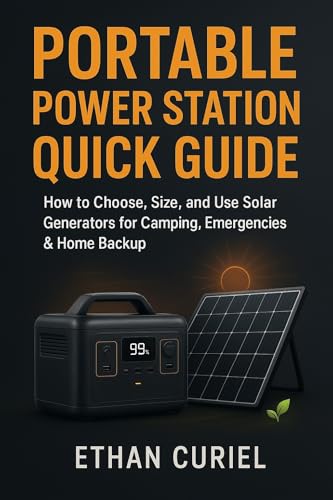
For condominium owners, apartment dwellers, or households seeking quiet power during nighttime hours, zero-emission battery power stations offer a viable alternative. Unlike combustion generators, portable power stations utilize lithium battery chemistry and emit zero fumes, allowing safe operation directly inside living spaces. Reference texts such as the Portable Power Station Quick Guide: How to Choose and the Jackery Portable Power Station Explorer 300 guide explain how these devices sustain low-wattage electronics. Enthusiasts interested in custom energy storage can also consult The DIY Solar Generator: How to Build Your Own for expandable configurations.
Battery power stations feature integrated pure sine wave inverters that deliver exceptionally clean electrical current with virtually zero total harmonic distortion. This pristine power waveform protects sensitive medical equipment like CPAP machines and prevents microprocessor errors in home networking hardware. However, battery capacity is finite and measured in watt-hours rather than continuous fuel flow, making them unsuitable for continuous whole-house heating or high-draw 240V well pumps.
Establishing an effective home generator setup requires respecting mechanical limits, prioritizing outdoor safety clearances, and installing code-compliant electrical transfer switches. Taking the time to calculate real-world inductive loads and practicing proper fuel maintenance transforms an unpredictable blackout into a safe, manageable situation. A well-designed backup system delivers dependable security, keeping your home warm, well-lit, and protected whenever severe storms disrupt the electrical grid.


Write Your Review
No reviews yet. Be the first to share your experience!