


Severe weather events and unexpected utility grid failures can leave a household without lighting, refrigeration, or essential basement drainage in seconds. When planning for residential resilience, homeowners immediately need to evaluate how much does a back up generator cost across both hardware acquisition and practical electrical connection. Initial equipment expenses represent only part of the investment, as safe household integration requires dedicated cords, fuel supply planning, and proper circuit isolation hardware. Evaluating affordable backup generator options helps clarify the baseline financial commitment required to protect crucial household appliances during unexpected blackouts.
Selecting the proper backup capacity depends heavily on whether a home requires whole-house electrification or targeted support for circuits like well pumps and freezers. While large permanently installed standby units demand substantial capital for ground preparation, gas plumbing, and automated transfer switches, portable power units offer significant savings. Many property owners prioritize critical circuits by pairing dedicated refrigerator backup generator setups with dual-voltage portable units that deliver 120-volt and 240-volt output. Understanding the balance between equipment wattage, electrical connection methods, and operating overhead ensures you secure dependable emergency power without overspending on unnecessary generator capacity.

Pros
- Dual-fuel flexibility enables operation on readily available gasoline or long-storing liquid propane cylinders.
- Switchable 120V/240V power output directly accommodates 240V home-backup circuits via the L14-30R receptacle.
- Turn-key electric start system allows fast, effortless engine ignition during severe weather emergencies.
- Provides an extended 11-hour runtime at half load on a single 4-gallon tank of gasoline.
- Comes complete with practical accessories including a wheel kit, oil bottle, and LPG regulator hose.
Cons
- Uses a conventional open-frame alternator design rather than inverter power conversion, with no documented THD specification supplied for sensitive microelectronics.
- Lacks eco-mode engine throttle regulation and remote-start capabilities found on enclosed recreational inverter units.
- At 105.8 pounds, transport requires using the included wheel kit and the unit cannot be parallel-paired with a second generator.
The WEN DF475T is an open-frame dual-fuel portable generator built around an engine-driven 224cc 4-stroke OHV power plant. Unlike lightweight enclosed inverter generators designed purely for recreational trickle loads, this conventional generator focuses on delivering robust starting and running wattage alongside split-phase 120V/240V output. Tailored for homeowners preparing for severe weather outages, rural property managers, and jobsite contractors, the DF475T provides flexible dual-fuel capability without the higher price tag typical of large-format inverter units.
Electrical output varies predictably by fuel source, providing clear operational boundaries for household load planning. On gasoline, the generator produces 4,750 surge watts and 3,800 running watts, while liquid propane yields 4,350 surge watts and 3,500 running watts. The control panel includes a designated voltage selector that switches between 120V and 240V, channeling current into two 120V GFCI household outlets (5-20R), a 120V/240V NEMA 30A twist lock (L14-30R), and a 12V DC automotive-style port. According to manufacturer specifications, the 4-gallon fuel tank provides up to 11 hours of runtime at a 50 percent electrical load on gasoline, making it capable of powering essential appliances such as a refrigerator, sump pump, and multiple lighting circuits through an outage.
System operation is centered around practical ease of use during demanding conditions. Ignition is handled by an electric-start system that turns the 224cc OHV engine over with the twist of an ignition key. Fuel management is equally straightforward, utilizing a front-facing dial that selects between gasoline and propane lines without requiring disassembly or carb adjustments. The package includes a 47-inch LPG connection hose that connects directly to standard residential propane tanks, along with a bottle of engine oil to assist initial setup. Structural durability is reinforced by a rigid tubular steel frame, supported by an included wheel kit and folding handle designed to move the 105.8-pound machine across gravel, grass, or workshop floors.
Deployment and ongoing ownership demand careful adherence to generator safety standards. Because fuel-burning engines generate hazardous carbon monoxide, this generator must always be operated outdoors in open spaces well away from windows, entryways, and ventilation ducts. Connecting the generator to residential wiring should only be performed using a compatible manual transfer switch or interlock kit installed by a qualified professional, avoiding dangerous backfeeding through standard wall outlets. The dimensions of 23.2 by 17.5 by 18.5 inches ensure the unit stores compactly in a shed or garage, while routine ownership involves inspecting engine oil, monitoring spark plug condition, and draining untreated gasoline before long-term seasonal storage.
Prospective buyers should evaluate several clear technical boundaries before purchasing. The supplied specifications identify this model as a conventional generator without inverter-based power conversion architecture, meaning it lacks documented total harmonic distortion (THD) ratings, pure sine wave designations, and variable-speed eco-mode throttling. Furthermore, the 105.8-pound dry weight requires two people for vehicle lifting, and the unit does not feature parallel expansion capabilities. Buyers planning to power delicate microprocessors or audio-visual gear without intermediate line conditioning should factor in the absence of documented THD figures.
Ultimately, the WEN DF475T is best suited for budget-conscious homeowners, emergency-preparedness planners, and DIY workers who prioritize 120V/240V transfer-switch utility, dual-fuel flexibility, and dependable mechanical output. It offers practical power to maintain core household refrigeration, water pumping, and heating blowers during utility failures. Buyers needing whisper-quiet operation, ultra-clean inverter waveforms, or lightweight single-person portability may prefer an enclosed inverter generator, but for raw dual-fuel value and switchable 240V capability, the DF475T is an exceptionally practical workhorse.
The WEN DF475T provides distinct power outputs depending on the fuel selected, giving owners flexibility during localized fuel shortages. On standard unleaded gasoline, the 224cc 4-stroke OHV engine produces 4,750 surge watts to handle brief motor startup spikes, settling into a continuous 3,800 running watts for sustained electrical loads. When switched to liquid propane (LPG), the unit outputs 4,350 surge watts and 3,500 running watts. Propane offers the practical advantage of indefinite shelf life without carburetor gumming, making it an excellent storage fuel for seasonal storm preparation.
Runtime is directly tied to fuel choice, tank capacity, and operating load conditions. The onboard 4-gallon gasoline tank delivers up to 11 hours of continuous operation at a half-load draw, providing reliable through-the-night emergency power without requiring midnight refueling trips. Switching fuels is achieved via a mechanical front-panel dial, and WEN supplies a 47-inch LPG connection hose in the box to connect directly to standard 20-pound or larger liquid propane tanks.
A standout electrical feature of the WEN DF475T is its voltage selector switch, which transitions the alternator output between dedicated 120V operation and balanced 120V/240V split-phase service. This functionality makes the heavy-duty NEMA 30A L14-30R twist-lock receptacle fully compatible with standard generator inlet boxes and manual transfer switches, allowing homeowners to distribute electricity directly into a breaker panel during an emergency.
In addition to the 240V twist-lock outlet, the control panel incorporates two standard 120V GFCI receptacles (5-20R) for safe direct-cord connection of residential appliances and power tools in damp outdoor environments. The panel also includes a 12V DC cigarette-lighter-style port suitable for charging automotive batteries or operating small 12-volt accessories. Connecting this generator to home circuits must always follow safe electrical codes using certified transfer equipment to prevent backfeeding into the utility grid.

Pros
- Substantial continuous capacity of 5,300 running watts supports multiple major appliances, pumps, and essential home circuits simultaneously.
- Dual-voltage capability with an L14-30R outlet makes direct connection to a manual home transfer switch or generator interlock simple.
- Generous 14.5-hour maximum runtime per tank minimizes refueling interruptions during severe weather or overnight power outages.
- Built-in carbon monoxide detection and automatic shutdown sensor provide an added layer of operational safety outdoors.
Cons
- Manual recoil start only, lacking the push-button convenience of electric or wireless remote starting systems.
- Conventional open-frame engine architecture without documented low total harmonic distortion (THD) or inverter-based electronic wave regulation.
- Dry weight of 133.6 pounds makes repositioning and vehicle loading demanding without an installed wheel kit.
The Westinghouse 6600 Peak Watt Portable Generator is a heavy-duty, gasoline-powered open-frame generator engineered for emergency home backup, RV travel, and jobsite power. Delivering 5,300 running watts and 6,600 peak watts, this generator relies on a proven conventional engine-driven alternator design rather than an inverter module. For American homeowners and storm-preparedness buyers comparing portable options, this unit prioritizes robust continuous wattage, dual-voltage flexibility, and high surge capability to start inductive motor loads that smaller portable power stations or compact inverter units cannot support.
Electrical capability centers around a 120/240V voltage selector switch, allowing operators to channel maximum output through standard 120V circuits or supply balanced 240V power to home panels. The interface includes one 120V 20A duplex receptacle (5-20R), one RV-ready 120V 30A receptacle (TT-30R), and one 120/240V 30A twist-lock receptacle (L14-30R). With 5,300 running watts, the generator can comfortably maintain critical household loads like a refrigerator, deep freezer, well pump, and essential lighting circuits within documented limits. A 4.7-gallon fuel tank with an integrated gauge delivers up to 14.5 hours of runtime under stated manufacturer conditions, reducing the frequency of nighttime refueling during severe weather.
The unit is driven by a 274cc Westinghouse 4-stroke OHV engine equipped with a cast iron cylinder sleeve designed for extended operational life. A digital hour meter is integrated directly into the control panel, offering clear visibility into accumulated runtime so owners can stay on top of regular maintenance routines. Safety features include an automatic low-oil shutdown mechanism and an integrated carbon monoxide (CO) sensor system that halts the engine if hazardous emissions build up nearby. Fitted rubber covers protect each outlet against dust and outdoor moisture when not in use.
Initial preparation requires minimal assembly, and Westinghouse includes initial engine oil, a filling funnel, and a maintenance tool kit right in the box. Starting is executed manually through a heavy-duty recoil pull-cord. RV owners can plug 30-amp travel trailers directly into the TT-30R receptacle without extra adapters, while homeowners connecting to manual transfer panels can leverage the L14-30R twist-lock port through qualified premises wiring. Because this is a fuel-burning engine, it must always be operated outdoors at a safe distance from doors, windows, and vents, as onboard CO shutoff systems are protective failsafes rather than a substitute for open-air placement.
Buyers should evaluate several distinct mechanical tradeoffs when comparing this open-frame unit to modern inverter generators. At 133.6 pounds dry weight, moving this generator across gravel or loading it into a truck bed requires notable physical effort, particularly because a dedicated wheel kit is not pre-installed. The manual recoil start requires physical pull effort, which may be a drawback for users seeking push-button or remote ignition. Additionally, the manufacturer does not publish a measured total harmonic distortion (THD) specification, and open-frame conventional generators generally produce higher operational sound levels than fully enclosed inverter models.
The Westinghouse 6600 Peak Watt Generator is best suited for homeowners needing dependable, high-wattage storm protection, rural property owners running 240V pumps, and travel trailer owners needing dedicated 30A RV power. It delivers exceptional running capacity and connection versatility for buyers who prioritize raw wattage per dollar over whisper-quiet operation. Shoppers requiring ultra-low noise profiles for close-quarters camping, push-button electric start, or verified low-THD power for sensitive electronics should instead consider an enclosed inverter generator.
The outlet configuration on this Westinghouse generator is designed specifically to simplify residential backup and travel trailer integration. The control panel features a 120/240V voltage selector switch paired with a heavy-duty L14-30R 30A twist-lock outlet, making it straightforward to connect to an external generator inlet box and a manual transfer switch or interlock kit. Directing power through appropriate transfer equipment allows homeowners to safely energize selected household circuits without resorting to hazardous extension-cord backfeeding.
Recreational vehicle owners benefit from the factory-installed TT-30R 30A receptacle, which connects directly to standard RV power cords to run travel trailer air conditioning and onboard converter chargers. For standard household tools and appliances, the 5-20R 120V 20A duplex outlet provides standard plug-and-play access. All outlets are shielded by fitted rubber covers to protect the electrical contacts from dirt, debris, and weather exposure when storing or transporting the unit.
Power is generated by a 274cc Westinghouse 4-stroke OHV engine built with a durable cast iron sleeve that resists cylinder wear over long run cycles. The engine utilizes an automatic low-oil shutdown sensor that cuts ignition if lubricating oil falls below safe operating levels, helping protect the mechanical components from severe friction damage. An integrated digital hour meter records accumulated run hours to help users maintain appropriate oil change and spark plug service schedules.
For operator safety, the generator includes an onboard carbon monoxide (CO) detection sensor that automatically shuts down the engine if dangerous levels of carbon monoxide accumulate in the immediate area. A fuel-burning engine must always be run strictly outdoors in open air, well away from windows, doors, and vents. The integrated CO shutoff functions as an essential safety monitor, but it never makes indoor, garage, shed, or enclosed porch operation safe.
Detailed Financial and Mechanical Breakdown of Residential Backup Generators
Determining the true financial investment for residential emergency energy involves looking far beyond the equipment price tag. A complete installation accounts for mechanical power delivery, electrical switching hardware, qualified electrician labor, and ongoing fuel maintenance. When calculating how much does a back up generator cost, buyers must balance emergency wattage targets against safe installation methods to avoid unexpected post-purchase expenses. A methodical breakdown of system types and peripheral hardware clarifies the realistic cost of establishing home power security.
Hardware Expense Tiers: Portable Units Versus Whole-House Standby Systems
Residential backup power equipment generally falls into distinct hardware tiers ranging from budget portable units to permanently installed whole-home standby machines. Portable open-frame models represent the entry point, offering sufficient capacity to energize essential circuits like sump pumps, refrigeration, and portable lighting. Intermediate portable units provide split-phase 120-volt and 240-volt power, bridging the gap between modest utility and high-draw domestic loads like well pumps. In contrast, permanently mounted whole-house generators cost several times more, incorporating automotive-grade liquid-cooled engines, weather-resistant outdoor enclosures, and automated utility monitoring circuits.
Portable equipment allows homeowners to scale their investments based on real emergency priorities. A dual-voltage open-frame generator delivers substantial wattage for a fraction of the hardware expense required by a stationary standby generator. Stationary systems require heavy-duty concrete mounting pads, dedicated plumbing hookups for natural gas or municipal propane tanks, and complex control wiring. For households focusing on essential preservation rather than whole-home luxury, portable dual-voltage generators supply adequate wattage without exhausting family emergency funds.
Engine construction and alternator design also dictate long-term equipment value within the portable market. Quality units utilize cast-iron cylinder sleeves and four-stroke overhead-valve engines to resist thermal degradation during extended outages. Understanding the role of internal generator components like copper-wound stators and automatic voltage regulators helps buyers distinguish durable hardware from fragile consumer machines. Investing in robust mechanical components upfront reduces recurring repair expenses and prevents premature engine failure during critical storm events.
Electrical Connection Hardware: Manual Transfer Switches, Interlock Kits, and Inlet Boxes
Connecting a generator safely to a home electrical panel requires specialized mechanical switching hardware to prevent deadly utility backfeeding. Running loose extension cords through cracked windows poses carbon monoxide infiltration dangers and limits power distribution to plug-in appliances. A dedicated outdoor generator power inlet box pairs with interior switching gear, allowing clean power delivery through existing household wall wiring. These essential connection components add to the total installation expense, but they remain non-negotiable for personal safety and code compliance.
Homeowners typically choose between a mechanical interlock kit and a pre-wired manual transfer switch. A mechanical interlock kit consists of a custom steel sliding plate installed directly onto the main service panel. This physical barrier ensures the main utility breaker must slide into the off position before the dedicated generator breaker can turn on. Interlock plates represent a highly cost-effective connection strategy because they utilize existing panel spaces without requiring a secondary subpanel.
Manual transfer switches provide an alternative method by isolating selected critical load circuits into a dedicated enclosure. Pre-wired switches typically handle six to ten individual circuits, such as the furnace fan, refrigerator, living room lighting, and sewage ejector pump. While transfer switch hardware requires a higher component budget than simple interlock plates, it simplifies operation for family members during dark emergency conditions. Both hardware options require a professional four-wire twist-lock power cord rated for 30 amps or 50 amps to bridge the generator and the inlet box safely.
Professional Labor and Permitting: What Electrician Installation Actually Involves
Hiring a licensed electrician to connect emergency power gear constitutes a significant portion of overall setup expenses. Certified professionals assess existing panel capacity, verify grounding paths, and install dedicated breakers matching local electrical codes. Electrical work performed inside residential service panels carries severe electrocution and fire hazards that should never be attempted by untrained homeowners. Securing municipal electrical permits and scheduling post-installation inspections adds administrative fees, but it protects homeowner insurance coverage and domestic safety.
Installation complexity varies considerably depending on the distance between the outdoor generator station and the electrical panel. An inlet box located directly on the opposite side of the exterior wall from the basement service panel requires minimal conduit and wire pulling. Conversely, routing heavy-gauge copper conductors across finished living areas or through underground trenches increases labor hours and hardware costs dramatically. Electricians also evaluate neutral bonding configurations, ensuring portable generators do not create ground fault loops or neutral backfeeds within the residential panel.
Inductive Inrush Currents and Sizing: How Motor Surges Dictate Generator Capacity
Underestimating motorized appliance demands is the most frequent reason homeowners buy generators that are too small. Appliances with electric motors, such as air conditioners, submersible well pumps, and basement sump pumps, require inductive inrush current upon startup. This initial locked rotor surge can demand two to three times the continuous running wattage stated on the manufacturer data plate. If a generator lacks adequate peak surge wattage, the engine will stumble or trip its internal circuit breaker the instant a pump attempts to cycle on.
Calculating total capacity requires summing continuous running watts and adding the single largest starting surge in the home. A typical half-horsepower sump pump might require 800 running watts but demand over 2,000 starting watts to overcome water inertia and magnetic resistance. A modern refrigerator might draw 200 continuous watts while demanding a momentary 1,200-watt compressor startup surge. Sizing a generator to absorb these simultaneous peaks ensures stability, preventing annoying electrical sags that can damage appliance motor windings.
Generators with dual-voltage selector switches provide superior motor starting flexibility by concentrating winding output. When switched to 120-volt mode, the alternator combines both internal stator windings to deliver maximum amperage through single-phase receptacles. When flipped to 240-volt mode, the generator supplies split-phase power necessary for hardwired deep well pumps and electric water heaters. Choosing a model with ample peak wattage headroom prevents frequent overload trips without forcing the homeowner to buy commercial industrial machinery.
Dual-Fuel Economics: Comparing Gasoline and Liquid Propane Operating Expenses
Fuel availability and long-term storage economics strongly influence operating expenses during a protracted utility crisis. Gasoline offers high energy density and immediate availability during standard driving conditions, but it deteriorates rapidly during seasonal storage. Untreated gasoline forms gummy varnish in small engine carburetors within a few months, resulting in hard starting or complete engine failure when an outage strikes. Storing fresh gasoline requires dedicated safety cans, regular stabilization additives, and frequent rotation into passenger vehicles.
Liquid propane represents an exceptionally clean and shelf-stable fuel source for emergency residential generators. Propane cylinders can remain stored for decades without chemical breakdown, eliminating carburetor cleaning costs and fuel stabilizer expenses entirely. Dual-fuel generators allow owners to switch seamlessly between gasoline efficiency and propane convenience using a simple fuel selector dial. However, propane possesses lower thermal energy density than gasoline, resulting in a minor reduction of running and surge wattage output.
Operating expenses over several days of continuous runtime also differ based on local fuel retail pricing. While a 20-pound propane cylinder provides dependable fuel during an initial storm, heavy continuous loads consume tanks steadily. Gasoline fuel tanks typically provide longer runtime per individual fill under equivalent electrical loads. Homeowners must balance the convenience of shelf-stable propane against the higher energy density and runtime duration of standard pump gasoline.
Zero-Emission Indoor Power Alternatives: Battery Stations for Enclosed Spaces
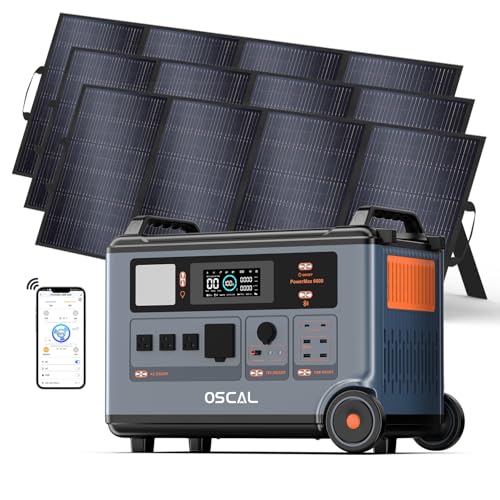
Internal combustion generators produce deadly carbon monoxide gas and must never operate indoors, inside garages, or near open doors and windows. The exhaust from combustion engines accumulates rapidly in enclosed spaces, creating a fatal hazard within minutes. Renters, condominium residents, and urban homeowners who lack outdoor operating clearances must seek emission-free indoor alternatives. Portable battery power stations utilize high-capacity lithium cells and solid-state inverters to deliver clean electrical power safely inside living quarters.
Battery backup solutions carry higher initial equipment costs per usable watt-hour compared to fuel-burning combustion engines. Units featuring lithium iron phosphate chemistry provide exceptional cycle longevity, delivering thousands of charge cycles without substantial capacity degradation. Households exploring zero-emission alternatives can evaluate indoor solar backup systems to supply silent energy for medical gear, lights, and small refrigeration. While these battery systems cannot sustain heavy 240-volt thermal heating appliances for days, they offer clean, silent safety for apartment dwellers.
Recharging battery stations during extended power outages requires either pre-arranged solar panel arrays or grid access during rolling blackout windows. Solar panel additions represent supplementary equipment costs that buyers must account for when building an off-grid energy kit. Unlike gas generators that resume operation immediately after pouring fuel, solar replenishment depends heavily on daylight hours and cloud cover. Understanding these technological boundaries prevents unrealistic expectations when comparing battery storage costs against combustion engine investments.
Long-Term Maintenance Overhead: Oil Changes, Fuel Stabilization, and Storage Protocols
Total ownership expenses include routine maintenance supplies necessary to keep small engines running smoothly for years. Four-stroke overhead-valve engines require periodic oil changes, typically after an initial break-in period and every 50 to 100 operating hours thereafter. Running a generator continuously during a multi-day blackout can exhaust fresh motor oil supplies faster than most owners anticipate. Keeping spare bottles of small engine oil, replacement spark plugs, and clean air filters on hand protects the engine block from premature friction wear.
Improper seasonal storage represents the primary cause of expensive small engine repairs. Gasoline left sitting in a float bowl evaporates, leaving behind lacquer deposits that clog microscopic carburetor fuel jets. Installing a fuel shutoff valve allows the operator to run the carburetor completely dry before putting the unit away for the season. Alternatively, running clean propane through a dual-fuel unit bypasses the carburetor liquid fuel passages entirely, preventing gummed components without costly fuel additives.
Electric-start generators incorporate small 12-volt starting batteries that require seasonal charging to maintain internal chemical health. Lead-acid starting batteries discharge slowly over months of sitting in unheated sheds or garages. Incorporating a modest battery trickle charger or periodic manual recoil exercise maintains starter battery readiness. Factoring basic maintenance supplies into your initial backup budget prevents frustrating starting failures when severe storms knock down power lines.
Comparing Value in Portable Backup: Dual-Voltage Architecture and Real-World Output
Evaluating specific equipment models illustrates how modern features deliver excellent value without requiring industrial price tags. The Westinghouse 6600 Peak Watt Home Backup portable generator exemplifies versatile performance with 5300 running watts and 6600 peak watts. Powered by a 274cc four-stroke overhead-valve engine with a durable cast-iron sleeve, it includes an integrated carbon monoxide sensor with automatic shutdown for operator safety. Its 4.7-gallon fuel tank provides up to 14.5 hours of run time, while a 120/240V selector switch routes maximum power into an L14-30R transfer switch receptacle.
For homeowners seeking dual-fuel versatility and push-button convenience, the WEN 4,750-Watt 120V/240V Dual Fuel portable generator offers practical emergency capabilities. This unit generates 3800 running watts and 4750 surge watts on gasoline, shifting to 3500 running watts and 4350 surge watts on propane. Its 224cc engine features key-operated electric starting, a 4-gallon fuel tank providing up to 11 hours of half-load runtime, and an L14-30R twist-lock receptacle. The included wheel kit, handle assembly, and 47-inch propane connection hose eliminate the need to purchase mobility and fuel connection accessories separately.
Both of these models incorporate NEMA L14-30R twist-lock outlets capable of supplying split-phase 120-volt and 240-volt power directly into home transfer switches. Having split-phase capability ensures that deep well pumps, multi-wire branch circuits, and residential subpanels receive balanced voltage delivery. Units equipped with rubber outlet covers and low-oil shutdown sensors protect electrical and mechanical components from environmental debris and mechanical seizure. Investing in models with built-in hour meters also simplifies maintenance scheduling, protecting your equipment investment over decades of reliable service.
Final Load Sizing and Budget Verification for Reliable Emergency Power
Establishing a dependable residential emergency power system requires matching your actual watt draw to your equipment and installation choices. Homeowners can secure essential circuits like refrigeration, sump pumps, and basic lighting for a very manageable total budget by choosing portable dual-fuel or gas-powered generators. Pairing a capable portable unit with a manual interlock plate and professional inlet box installation delivers safe, code-compliant power without whole-house standby expenses. Careful pre-purchase planning prevents both the frustration of an undersized generator and the financial strain of unnecessary overcapacity.
Before making a final purchase, audit the electrical nameplates of your essential home appliances to confirm starting surge requirements. Always prioritize units equipped with automatic carbon monoxide shutoff sensors and operate combustion engines at least 20 feet away from living spaces. By accounting for equipment capacity, electrical switching hardware, qualified labor, and routine engine upkeep, you achieve reliable backup resilience at a transparent, predictable investment level.






Write Your Review
No reviews yet. Be the first to share your experience!