


Off-grid travel often presents serious electrical challenges, from surging air conditioning demands to inconsistent voltage fluctuations that can harm sensitive electronics. Maintaining steady alternating current requires careful attention to continuous running output, surge wattage, and proper component upkeep. Anyone searching for the best generator for r v applications must consider how mechanical voltage regulators, reliable alternators, and clean stator components interact to deliver stable electricity. Balancing these components helps prevent unexpected system overloads while preserving battery health across extended road trips. Reviewing reliable power options alongside equipment evaluated by power capacity allows rig owners to match electrical supplies to actual campsite demands.
Proper electrical generation depends just as much on solid hardware replacement as it does on primary engine performance. Faulty voltage stabilizers or degraded oil filters can cause unexpected voltage drops, putting appliances at immediate risk during boondocking excursions. Comparing specifications from leading generator manufacturers highlights the importance of matching correct cut-outs, alternators, and automatic voltage regulators to your specific recreational setup. A dependable mobile electrical system keeps onboard appliances running smoothly without risking blown breakers or drained house batteries.


Frequently Asked Questions
How do running watts differ from starting watts in mobile power systems?
Running watts indicate continuous operating power, whereas starting watts provide the temporary surge needed to start motor-driven appliances. An RV rooftop air conditioner, for instance, requires a substantial starting surge before settling into its continuous operating draw. Exceeding continuous output triggers breaker trips or causes voltage dips across connected circuits. Calculating both metrics ensures your recreational power source handles simultaneous appliance startup without straining electrical windings or internal components.
What role does an automatic voltage regulator play in recreational power generation?
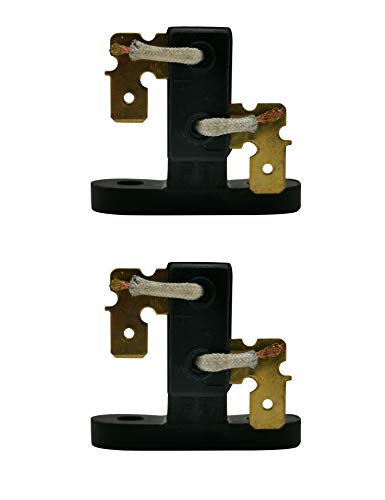
An automatic voltage regulator maintains constant output voltage regardless of fluctuating engine speeds or dynamic load shifts. Without a functional AVR, sudden appliance startups cause electrical surges that can damage sensitive 120V electronics. Mechanical brackets and solid-state regulators work together to stabilize excitation current in generator alternators. Installing a compatible replacement regulator restores clean, steady voltage output for safe appliance operation.
Can vehicle alternators replace dedicated recreational generators for auxiliary power?
High-output alternators can recharge auxiliary battery banks during travel, but they cannot replace a dedicated generator for continuous stationary 120V loads. Heavy-duty 12V alternators, like those found on GMC utility chassis, supply direct current to vehicle systems rather than standard household alternating current. Powering high-draw appliances while parked requires an onboard inverter system, a standalone generator, or reliable home backup power options during pre-trip preparation.
How does a generator cut-out relay protect mobile charging systems?
A generator cut-out relay prevents the battery from discharging back into the generator windings when engine rotation stops or drops below charging threshold. If the generator voltage falls below battery voltage, the cut-out points open automatically to break the circuit. Failing cut-out switches can drain vehicle batteries overnight or cause stator overheating. Verifying proper contact gap and terminal polarity ensures dependable battery charging cycles.
Why is oil filtration critical for stationary and mobile generator engines?
Clean oil filtration removes soot, metal particles, and combustion contaminants that cause premature bearing wear in generator engines. Mobile power plants often operate under sustained thermal stress and variable load conditions, accelerating motor oil breakdown. Using an OEM-standard replacement oil filter ensures consistent lubrication pressure across critical engine journals. While quiet solar generator setups eliminate engine lubrication entirely, conventional combustion generators require routine filter swaps to run reliably.
How does total harmonic distortion affect RV electronics?
High total harmonic distortion produces electrical noise that causes microprocessors, televisions, and modern RV control boards to overheat or malfunction. Standard open-frame generators often generate higher harmonic distortion than specialized digital inverter units. Maintaining stable voltage through functional AVRs and undamaged stator coils helps keep electrical waveforms clean and consistent. Inspecting electrical generation components prevents harmonic distortions from damaging delicate onboard climate controls.




Write Your Review
No reviews yet. Be the first to share your experience!