


Powering essential household appliances or recreational vehicles requires clean, stable electricity and an uncompromising electrical return path. Understanding what is the ground for a portable generator is essential for homeowners, campers, and contractors who want to prevent dangerous shock hazards and eliminate persistent equipment fault codes. Every generator produces electrical energy across live and neutral conductors, but the grounding system creates a vital safety loop designed to clear ground faults before voltage can electrify external metal housings. For anyone operating small portable generators during severe weather grid failures, knowing how grounding works prevents catastrophic equipment failures and keeps operations compliant with standard electrical safety practices.
Many modern inverter generators and open-frame utility units ship from manufacturers with unbonded, floating electrical architectures. While this configuration suits specific home transfer switch installations, it frequently triggers open ground error lights on RV energy management systems and emergency electric vehicle mobile chargers. Resolving these electrical discrepancies requires distinguishing between physical earth earthing rods, internal equipment grounding conductors, and neutral bonding jumpers. Establishing the correct ground arrangement ensures your sensitive microprocessors receive balanced voltage while protecting your family and equipment from unintended electrical paths.

Pros
- Instantly clears open ground faults on smart RV surge protectors and Electrical Management Systems (EMS)
- Tool-free operation eliminates the need to open or permanently modify portable generator wiring
- High-conductivity copper internal contacts ensure solid electrical continuity across the ground-neutral bridge
- Flame-retardant 105°C composite housing offers durable protection in demanding outdoor environments
- Convenient two-pack with attached keychains prevents misplacement during travel and camping trips
Cons
- Occupies one standard 120V 15-amp receptacle on the generator control panel during use
- Designed strictly for floating-neutral systems and should not be used on generators or circuits with existing neutral bonds
- Creates an internal neutral-to-ground electrical bond but does not replace an external earth grounding rod where required by code
The iTODOS Neutral Ground Bonding Plug 2-Pack is an essential electrical accessory designed for portable inverter generators, travel trailers, motorhomes, and jobsite power equipment. Most compact portable inverter generators come from the factory with a floating neutral, meaning the neutral conductor is intentionally isolated from the equipment frame. While floating-neutral architecture is safe for standalone cord-and-plug tool operation, modern RV surge protectors and advanced Electrical Management Systems (EMS) detect this as an open ground fault and will refuse to pass power into the camper. This bonding plug connects the neutral and ground conductors through a standard 15-amp outlet, providing an immediate, non-invasive fix for RVers and outdoor enthusiasts.
In terms of electrical performance, this adapter functions as an external bonding jumper. When inserted into any active 120-volt, 15-amp (NEMA 5-15R) receptacle on your generator, it establishes continuity between the neutral and ground buses across the entire panel. This allows RV-ready outlets, such as a companion TT-30R receptacle, to share the bonded circuit reference. As a result, sensitive diagnostic monitors, RV electrical management systems, and off-grid power units recognize a properly referenced ground path. This stable reference prevents nuisance disconnections, reduces voltage fluctuation risks, and helps safeguard sensitive onboard electronics from casing electrification.
Build quality focuses on thermal safety and low electrical resistance. The internal components feature high-conductivity copper inserts to handle bonding currents reliably without introducing resistance or excessive heat. The outer shell is molded from a durable, 105-degree Celsius flame-retardant composite plastic. Finished in a bright orange color, the plug is easy to spot on crowded generator panels or inside a dark storage compartment. Each unit also includes an integrated metal keychain, making it simple to clip the plug directly onto your generator frame, power cord handle, or equipment tote so it does not get lost between trips.
Operation could not be more straightforward. There are no switches, setup steps, or wiring adjustments required. After starting the portable generator outdoors in accordance with standard safety practices, you simply insert the iTODOS bonding plug into an unused 15A outlet before plugging in your RV shoreline cord or distribution equipment. Because the unit is passive and completely self-contained, it preserves factory generator warranties by eliminating any need to open the control panel or alter internal wiring harnesses. The included two-pack ensures you have an immediate spare or an extra plug ready for parallel generator setups.
Buyers should keep a few practical electrical limitations in mind. This device is specifically engineered for floating-neutral portable generators. It should never be used on generators that are already bonded from the factory, as creating multiple bonding points is redundant. Furthermore, if you connect your portable generator to a home electrical panel through an interlock kit or standard transfer switch where the neutral is already bonded at the home service entrance, you should not use this bonding plug, as doing so creates parallel neutral return paths. Additionally, keeping the adapter plugged in consumes one standard 120V household outlet on your generator panel.
For owners of portable inverter generators who frequently travel in RVs or run into open ground fault errors on diagnostic equipment, the iTODOS Neutral Ground Bonding Plug offers a safe, simple, and inexpensive remedy. It eliminates false error lockouts, protects internal appliance circuitry, and keeps power flowing smoothly without risking generator modifications.
Modern recreational vehicles frequently utilize advanced Energy Management Systems (EMS) and smart surge protection units that actively monitor line voltage, reverse polarity, and grounding integrity before permitting electricity into the coach. When plugged into a standard portable inverter generator with a floating neutral, these diagnostic systems read zero continuity between neutral and ground, interpret the situation as an unsafe open ground, and shut down power delivery to protect the camper.
The iTODOS bonding plug resolves this issue entirely from the generator side. By inserting the plug into any standard 120V 15A outlet on the generator faceplate, it establishes the expected ground-to-neutral bond across all shared panel receptacles. This satisfies the internal diagnostic test of the RV surge protector, allowing the shore power relay to close and energize RV air conditioners, battery converters, and household appliances without bypassing critical surge protection features.
Understanding the distinction between an equipment bond and an earth ground is critical for safe portable generator operation. The iTODOS Neutral Ground Bonding Plug establishes an electrical bond between the neutral conductor and the generator equipment ground, creating an effective fault-current path that stabilizes line voltages. However, it does not connect the system to physical earth. If local jobsite regulations or specific installation codes require an earth ground, an external ground rod and conductor must still be installed according to local electrical guidelines.
Safe electrical practices also dictate where this plug should and should not be deployed. It is designed specifically for standalone applications such as RV camping, remote power setups, and isolated equipment cords. When connecting a portable generator to residential home wiring through an approved transfer switch or generator inlet, the home service entrance usually provides the single necessary neutral-to-ground bond. In that home backup scenario, the bonding plug must be removed to avoid dangerous circulating currents on the grounding system.

Pros
- Solid high-tensile steel shaft drives smoothly into packed soil without bending or deforming
- Pre-attached tinned copper wire lug eliminates the need to purchase separate grounding clamps
- Oval-eye design makes insertion, levered extraction, and guy-wire anchoring fast and simple
- Color zinc plating provides dependable corrosion protection for damp outdoor ground contact
Cons
- At 17.5 inches long, it does not meet National Electrical Code (NEC) 8-foot depth requirements for permanent residential service grounding
- Shallow penetration produces higher electrical resistance in very dry or sandy soils compared to deep utility rods
- Wire lug is limited to wire gauges up to 4 AWG and cannot accept larger commercial grounding conductors
The MOKIKUBA portable ground rod is a dedicated 17.5-inch solid steel grounding pin designed for temporary outdoor earthing, off-air antennas, electric agricultural fencing, satellite equipment, and portable power accessory setups. Built with an integrated oval eyelet and an attached tinned copper grounding wire lug, this compact ground stake provides accessible earth anchoring for mobile users, rural property owners, campers, and field technicians. Unlike full-size utility grounding electrodes that measure eight feet or longer, this compact stake fits comfortably inside an RV storage bay, jobsite toolbox, or emergency gear bag.
Construction quality centers on a 1/2-inch (12mm) diameter solid steel shaft that delivers the tensile strength needed to penetrate packed turf and rocky dirt without warping. The steel is finished with a color zinc protective layer that shields against surface rust, oxidation, and prolonged contact with damp soil. Electrical connection is handled by a factory-fitted tinned copper wire lug that accepts solid or stranded wire up to 4 AWG. This integrated fitting eliminates the hassle of purchasing standalone brass grounding clamps or securing loose split-bolt connectors in field conditions.
Usability is enhanced by the specialized oval-eye top, which serves multiple practical functions during deployment. The eye provides a direct striking surface for driving the stake into the ground and offers a convenient grip point for pulling it back out by hand or using a pry bar when breaking down camp. In addition to electrical grounding duties, the oval loop doubles as an anchor point for guy lines, tie-down ropes, or livestock containment lines, giving outdoor users added mechanical utility in one compact tool.
Realistic limitations must be recognized regarding electrical grounding safety. A 17.5-inch ground pin does not satisfy National Electrical Code (NEC) standards for permanent residential service grounding electrodes, which typically require driven rods measuring at least eight feet. Shallow earth penetration naturally yields higher electrical resistance in dry, loose, or sandy terrain. Consequently, this rod is engineered for low-voltage signal grounding, static discharge on antennas, temporary electric livestock fencing, and portable accessory grounding where local regulations permit, rather than permanent residential backup power tie-ins.
For homeowners, DIYers, radio operators, and outdoor enthusiasts needing a portable, well-built grounding stake, the MOKIKUBA grounding pin offers practical convenience at an accessible price point. Its heavy-duty steel core, weather-resistant zinc finish, and preinstalled 4 AWG wire lug allow fast, tool-free ground wire attachment wherever temporary earthing is required. For permanent home transfer switches or major residential backup power installations, property owners should always install full-length certified utility electrodes in compliance with local electrical codes.
Grounding requirements vary significantly between temporary field equipment and permanent electrical systems. The MOKIKUBA portable ground rod is designed specifically for supplementary grounding applications such as dissipating static buildup on outdoor television antennas, establishing return paths for electric agricultural fences, and grounding field communications equipment. Its compact 17.5-inch depth provides convenient installation in soft to medium-density soils where deep industrial driving equipment is impractical.
Users connecting portable generators or temporary jobsite power distribution boxes should always check equipment manuals and local regulations before relying on portable ground stakes. Many modern portable generators powering cord-and-plug loads with bonded neutrals do not require an external earth ground rod under OSHA and NEC guidelines. When an earth connection is specified by equipment manufacturers or safety inspectors for temporary jobsite distribution, this stake provides a secure mechanical connection via its preinstalled 4 AWG tinned copper lug, though deep soil resistivity testing remains recommended for critical commercial applications.
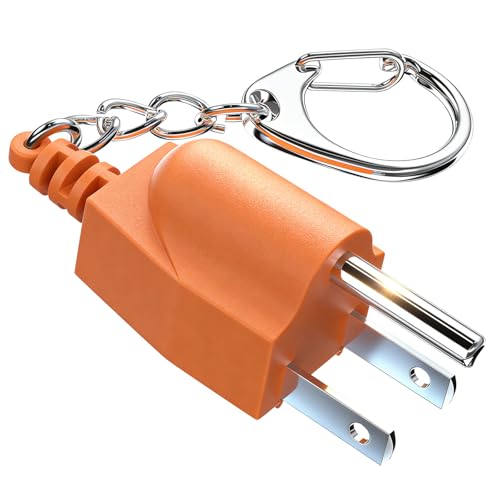
Pros
- Quickly resolves open ground lockout errors on RV surge protectors without permanent generator wiring modifications
- Compact, lightweight build with an integrated keychain makes it easy to keep directly with generator starting keys or adapters
- Constructed from 105-degree Celsius flame-retardant material with high-conductivity copper terminal inserts
- Works universally across most portable inverter generators equipped with standard 15A duplex receptacles
Cons
- Occupies one standard 15A household outlet on the generator control panel while in use
- Does not replace a physical earth ground rod when specific municipal or jobsite codes require external grounding
- Should not be used when connecting a portable generator to a home transfer switch that already features a bonded neutral service panel
The iTODOS Neutral Ground Bonding Plug is a specialized electrical accessory designed to resolve open ground faults on portable inverter generators. Many popular inverter units from manufacturers such as Honda, Champion, and EcoFlow are engineered with a floating neutral, meaning the neutral circuit is isolated from the generator frame. While this floating-ground configuration is standard for standalone power tool operation, it frequently prevents modern RV electrical systems, portable power stations, and sensitive appliances from operating when an onboard surge protector or Energy Management System detects an open ground. This compact plug connects the neutral and ground lines within a single standard NEMA 5-15P interface, establishing a bonded neutral system without requiring mechanical disassembly or permanent wiring alterations.
In practical operation, the iTODOS bonding plug acts as a bridge between the neutral and ground terminals on the generator receptacle panel. When inserted into any available 120V 15A household outlet on an operating inverter generator, the plug allows the generator to present a properly bonded electrical path to connected equipment. This enables RV campers to draw power through standard 30A or 50A generator cords without triggering fault codes or automatic shutdown routines on surge protectors such as Progressive Industries or Southwire units. The plug also helps stabilize voltage sensing for sensitive electronics, reducing the nuisance tripping often encountered when running off-grid power systems.
Build quality focuses on electrical safety and heat resistance. The product features high-conductivity copper inserts that provide consistent contact integrity and lower electrical resistance at the terminal points. The outer casing is molded from a 105-degree Celsius flame-retardant material, offering reliable heat resistance during extended runtime in warm outdoor conditions. According to the manufacturer, this construction helps prevent equipment casing electrification and voltage instability, reducing shock risks for operators working around running generators on campsites or job locations.
Setup and daily handling require no specialized tools or electrical expertise. The user simply inserts the bonding plug into an unused 15A receptacle on the generator control panel before connecting the main RV power cable or appliance cord. Because the adapter is exceptionally small and lightweight, iTODOS includes an integrated keychain attachment, allowing users to keep the plug secured to generator keys, a storage pouch, or a primary RV power adapter kit. This ensures the plug remains accessible during setup rather than getting lost inside deep toolboxes or vehicle compartments.
Despite its utility, buyers should observe realistic electrical limitations before purchasing. Using this plug occupies one standard 120V 15A receptacle on the generator faceplate, which reduces the number of available convenience outlets for direct extension cord use. Furthermore, while the bonding plug ties neutral to ground to satisfy onboard surge monitors, it does not substitute for a physical earth ground rod if local electrical codes or jobsite safety rules mandate a driven earth connection. Users must also avoid using this plug when connecting a portable generator to a residential transfer switch or interlock kit that already bonds neutral to ground at the main household service panel, as doing so could create an unsafe parallel neutral return path.
For RV travelers, overland campers, and homeowners running floating-neutral portable generators during storm emergencies, the iTODOS Neutral Ground Bonding Plug offers a reliable, low-cost solution to a persistent electrical incompatibility. It eliminates the frustration of RV power lockouts safely, maintains durable thermal performance, and provides peace of mind whenever operating sensitive monitoring equipment from a portable power source.
Most portable inverter generators are manufactured with a floating neutral, which means the neutral wire is entirely isolated from the equipment frame and earth ground. Modern RVs frequently rely on advanced electrical management systems or hardwired surge protectors designed to monitor line voltage and ground continuity. When an RV surge protector detects a floating neutral from a generator, it interprets the isolated neutral line as an open ground fault and automatically blocks incoming power to protect onboard RV appliances from potential shock hazards.
The iTODOS Neutral Ground Bonding Plug resolves this communication conflict by completing the neutral-to-ground link directly at the generator receptacle panel. Once plugged into an open 15A outlet, the internal copper bridge satisfies the detection circuitry of the RV surge protector, allowing 120V current to pass normally through the main camper power distribution panel without throwing false error codes.
Understanding when to use and when to remove a neutral ground bonding plug is critical for electrical safety. This plug is strictly intended for standalone portable generator setups, such as powering an RV, running jobsite equipment, or powering freestanding appliances directly through extension cords from a floating-neutral generator.
This bonding plug should never be installed when connecting a portable generator to a residential home backup system through a transfer switch or interlock device if the home panel already bonds the neutral and ground wires together. Creating a second bond at the generator can result in continuous circulating neutral currents over the equipment ground wire, potentially violating electrical safety codes and increasing shock hazards. Always remove the plug before connecting the generator to residential electrical panels.


Pros
- Instantly resolves RV open-ground fault codes when running off floating neutral inverter generators
- Built-in keychain attachment minimizes the risk of losing this small, vital accessory during transport
- Durable flame-retardant PC construction paired with solid copper conductors ensures safe contact
- True plug-and-play operation with no wiring, wire nuts, or electrical modifications required
- Universal fit across any standard 120V NEMA 5-15R receptacle on compatible inverter generators
Cons
- Intended specifically for floating neutral generators and should not be used on systems that are already bonded
- Occupies one standard 120V household outlet on the generator control panel during use
- Does not act as an earth ground rod substitute where local electrical codes mandate physical earth grounding
The Uogw Generator Grounding Plug is a dedicated neutral-ground bonding adapter engineered specifically for portable inverter generators, RV campers, travel trailers, and outdoor electrical equipment. Many compact inverter models from brands such as Honda, Yamaha, Champion, Predator, Westinghouse, and Firman feature a floating neutral architecture from the factory. This specialized plug is designed for RV travelers, campers, and DIY power users who need to safely bond the neutral and ground conductors to satisfy mobile electrical protection systems.
A common issue when connecting a modern RV or travel trailer to a portable generator is an open-ground fault triggered by onboard Electrical Management Systems (EMS) or smart surge protectors. When these systems detect a floating neutral, they typically block power from entering the camper to protect appliances. By inserting this standard NEMA 5-15P plug into an unused 120-volt generator receptacle, the internal connection establishes the required neutral-to-ground bond across the circuit, allowing RV protection devices to accept generator power safely.
Durability and electrical safety are central to the physical design of this adapter. The manufacturer utilizes a flame-retardant polycarbonate (PC) exterior shell that resists heat, direct sunlight, and physical impact encountered during outdoor recreation or jobsite handling. Inside the housing, pure copper conductors ensure consistent electrical conductivity and solid mechanical grip within the generator outlet, maintaining a stable bond without overheating during extended generator runtimes.
Usability and storage are notable strengths of the Uogw bonding plug, largely due to its molded keychain loop and high-visibility orange finish. Weighing less than an ounce, the adapter can be clipped directly to your generator key set, extension cord strap, or tool roll, eliminating the common problem of losing small electrical fittings in camp bins. Installation requires no wiring tools or electrical expertise; users simply push the adapter into an open 120-volt outlet on the generator panel before starting the unit.
Potential buyers should keep practical electrical limitations in mind before purchasing. This plug is designed strictly for portable generators with an unbonded or floating neutral configuration; using it on an already bonded generator or a home backup connection with a transfer switch that switches the neutral can create an improper parallel ground path. Additionally, this adapter bonds neutral to frame ground, but it does not drive a physical connection into the earth like a dedicated grounding rod.
For owners of portable inverter generators who run into open-ground shutoffs while powering RVs, trailers, or ground-sensitive electronics, the Uogw Generator Grounding Plug offers an efficient, affordable solution. Its combination of robust copper terminals, heat-resistant housing, and keychain portability makes it an essential accessory to carry in any recreational vehicle or emergency generator kit.
Portable inverter generators are intentionally manufactured with floating neutral systems so they can operate safely as standalone power sources without conflicting with residential electrical panels. In a floating neutral setup, the neutral circuit is isolated from the generator frame and earth ground, which is standard practice for standalone portable equipment.
Recreational vehicles, however, are typically wired to expect a bonded neutral power source similar to campground shore power pedestals. Advanced RV surge guards and onboard Energy Management Systems continuously monitor the electrical supply for an intact neutral-ground bond; if the system detects an open ground condition from a floating generator, it automatically disconnects incoming 120V power to safeguard onboard electronics.
The Uogw neutral-ground bonding plug bridges the neutral and ground terminals within a standard NEMA 5-15 configuration. When plugged into any standard 120V outlet on the generator panel, it creates a bonded neutral reference across the entire generator circuit, satisfying the diagnostic checks of RV surge protectors and allowing clean power delivery to RV appliances.

Pros
- Instantly resolves open-ground fault warnings on RV EMS surge protectors without permanent wiring alterations
- Compatible with any standard 15-amp 120-volt outlet on floating-neutral portable generators
- Cost-effective three-pack provides reliable backups for travel trailers and backup power kits
- Compact plug design mounts neatly without interfering with adjacent generator switches or heavy cords
Cons
- Designed strictly for floating-neutral generators and must not be used on pre-bonded neutral equipment
- Occupies one standard 15-amp receptacle on the generator control panel during use
- Does not replace proper electrical planning for home backup transfer switches or bonded household panels
The Potiarey Neutral Ground Bonding Plug is a specialized electrical accessory engineered to solve open-ground fault warnings encountered when connecting RVs to portable generators. Most portable inverter generators feature a floating-neutral configuration where the neutral conductor is isolated from the generator frame and earth ground. While safe for direct cord-and-plug power tools, this floating design frequently triggers safety lockouts on advanced RV surge protectors and Energy Management Systems (EMS). This three-pack provides a straightforward, hardware-free fix specifically aimed at RV campers, trailer owners, and boondockers who rely on portable power.
In terms of electrical functionality, this bonding plug features an internal connection that joins the neutral and ground circuits within a standard 15-amp, 120-volt plug housing. When inserted into any available 15A duplex outlet on a portable generator control panel, the plug bonds neutral to ground across the entire electrical interface of that generator. This creates the reference condition required by RV monitoring equipment, clearing the open-ground error and allowing current to flow into the camper distribution panel without modifying internal generator wiring.
The physical construction focuses on simplicity and visibility, utilizing a compact, bright orange body that is easy to spot in an RV utility compartment or tool bag. The internal contacts are designed for solid conductivity across standard 15A receptacles found on popular portable generators from manufacturers like Honda, Champion, and EcoFlow. Supplying the bonding plugs in a three-pack provides practical utility, allowing RV owners to keep a dedicated plug in the generator compartment, a spare in the camper electrical kit, and an extra for emergency preparedness.
Setup is completely plug-and-play, requiring zero electrical modifications or technical disassembly. Users simply insert the bonding plug into an unused 15-amp outlet on the generator faceplate, then connect their RV shore power cord to the generator 30-amp RV receptacle or appropriate adapter. The compact form factor stays flush against the control panel, ensuring it does not interfere with adjacent switches, circuit breakers, or heavy-duty cord plugs during operation at a campsite or jobsite.
Despite its convenience, users must recognize the operational limitations of a neutral-ground bonding plug. This accessory is intended exclusively for generators with a floating (unbonded) neutral; using it on a generator that already features an internal bonded neutral can create an unsafe ground loop. Additionally, inserting this device consumes one standard 15-amp control panel outlet, reducing the number of auxiliary plugs available for other equipment. The product specifications also do not cite specific weatherproofing or environmental seals, meaning the connection relies on the generator panel's own outdoor shielding.
For RV owners and outdoor enthusiasts running portable inverter generators with floating neutrals, the Potiarey bonding plug provides an affordable and practical solution to a widespread electrical hurdle. It eliminates the frustration of disabled RV power systems caused by sensitive EMS units while maintaining a non-permanent, fully reversible setup. Buyers should verify their generator manual to confirm an unbonded neutral architecture before purchase to ensure safe and proper operation.
Modern recreational vehicles frequently employ built-in Energy Management Systems (EMS) or external portable surge protectors designed to detect wiring errors before allowing electricity into the coach. When these diagnostic systems encounter a floating-neutral portable generator, they correctly identify that the neutral and ground lines have no common bond, resulting in an open-ground error code that shuts off power delivery to the RV.
Using the Potiarey bonding plug establishes the necessary common bond between neutral and ground at the generator source, simulating the grounding configuration found in standard shore-power pedestals. Before using this accessory, RVers must inspect their generator specifications to ensure the unit is explicitly designated as a floating-neutral model, as generators connected to residential transfer switches or models with factory-bonded neutrals require different grounding protocols.
Demystifying Grounding and Bonding on Portable Generators
The ground on a portable generator serves two distinct electrical functions that are frequently confused by equipment owners. First, the equipment ground links all exposed metallic surfaces, including the alternator housing and frame, to establish a continuous conductive path. Second, the system ground dictates whether the electrical neutral line connects directly to that chassis or floats as an isolated conductor. Differentiating between physical earth grounding using driven metal rods and internal chassis bonding is the foundational step for operating portable power safely across residential, RV, and jobsite environments.
The Anatomy of a Portable Generator Ground Circuit
Electrical current travels in complete continuous loops, always seeking to return to its original power source at the generator stator windings. Under standard operating conditions, electrical energy leaves the hot phase winding, powers the connected load, and returns along the neutral line. When an internal wire rubs against a sharp edge, an energized conductor can make contact with the metal frame or attached tool housing. The equipment grounding conductor provides a low-impedance path back to the generator alternator, causing an instantaneous current surge that immediately trips the onboard circuit breaker.
Generator manufacturers construct this safety circuit by bonding the equipment ground pin of every control panel outlet directly to the steel frame. An external grounding terminal lug, usually marked with an embossed ground symbol and secured with a wing nut, also connects to this common chassis junction. This mechanical bond ensures that every metallic component of the generator remains at zero electrical potential relative to the frame. Without this bonding connection, an internal short circuit would leave the external enclosure energized at line voltage, exposing operators to severe electrical shock.
Floating Neutral versus Bonded Neutral Architectures
Generators leave factory assembly lines configured with either a bonded neutral or a floating neutral architecture. In a bonded neutral machine, the neutral stator lead is mechanically and electrically joined to the generator grounding lug and metal chassis. This arrangement is standard on commercial industrial units and jobsite models built to comply with specific workplace electrical safety codes. When operating portable generators for power tools on construction sites, a bonded neutral ensures that onboard ground fault circuit interrupter receptacles can monitor circuit balance and trip rapidly during fault events.
Conversely, most compact recreational inverter generators feature a floating neutral architecture where the neutral conductor remains completely isolated from the frame. In a floating neutral configuration, the neutral wire acts solely as a current-carrying conductor with no direct physical tie to the equipment casing or ground pin. This design prevents hazardous electrical ground loops when connecting the generator to residential electrical panels that already feature their own primary neutral-to-ground bond. Understanding whether your unit has a bonded or floating neutral determines how it will interact with home transfer switches, recreational vehicles, and sensitive electronics.
Resolving RV Open Ground Faults and Surge Protector Lockouts
Recreational vehicle owners frequently encounter electrical confusion when plugging a camper into a portable inverter generator. Modern travel trailers and motorhomes commonly utilize sophisticated Electrical Management Systems or smart surge protectors to safeguard sensitive air conditioning controls and appliances. When connected to a floating neutral generator, these diagnostic monitors immediately detect the absence of continuity between the neutral and ground lines. The system interprets this condition as a dangerous open ground error and prevents electrical power from entering the camper distribution panel.
A neutral ground bonding plug resolves this standoff by bridging the neutral and ground terminals through an internal conductive jumper. Plugs like those produced by iTODOS, Uogw, and Potiarey utilize standard NEMA 5-15P configurations that insert into any spare 120-volt receptacle on the generator control panel. Inserting this adapter bonds the neutral line to the frame circuit, satisfying the diagnostic monitoring circuitry inside the RV power center. Flame-retardant polycarbonate housings and heavy-duty copper contacts allow these compact adapters to establish the required bond safely without modifying internal generator wiring.
Many RV adapters feature practical carrying options, including integrated keychains that clip directly to generator ignition keys or equipment tool bags. Maintaining accountability for bonding plugs prevents unexpected power lockouts during boondocking excursions in remote camping areas. Multiple-pack options allow operators to keep dedicated adapters inside the generator storage compartment and the RV utility bay simultaneously. Before inserting any bonding plug, users should verify that their generator is indeed a floating neutral model to prevent creating an unintended dual-bonding condition on factory-bonded machines.
Home Transfer Switches and Dual-Bonding Hazards
Connecting a portable power source to a residential structure requires strict adherence to the National Electrical Code to prevent dangerous ground fault circulation. Residential electrical service panels feature a main bonding jumper that permanently joins the incoming utility neutral conductor to the home grounding electrode system. When integrating high-output portable generators into a home backup system, the type of transfer equipment dictates the necessary generator grounding status. Standard transfer switches and interlock kits generally utilize an unswitched, solid neutral bus that remains continuously tied to the main household panel.
Connecting a bonded neutral generator to a solid neutral transfer switch establishes an illegal and dangerous dual-bonding scenario. In a dual-bonded system, normal return current splits between the neutral wire and the equipment ground wire, circulating objectionable currents across metal conduits and generator frames. This shared return current can cause standard GFCI circuit breakers to trip spontaneously and may create shock hazards on appliance casings. For solid neutral backup installations, the generator must maintain a floating neutral configuration so the household main panel serves as the single point of bonding.
Switched neutral transfer switches, by contrast, physically disconnect the utility neutral conductor when transferring power to the auxiliary generator source. Under this specific arrangement, the generator operates as a separately derived electrical system that requires its own internal neutral-to-ground bond. Homeowners must consult the technical schematics of their transfer panel to verify whether the neutral conductor is switched or solid. Never connect a generator directly to home wiring through standard wall receptacles using hazardous male-to-male cords, as this bypasses critical safety overcurrent protection and creates lethal backfeeding hazards for utility line workers.
Earth Grounding Rods: When Are Driven Electrodes Necessary?
A widespread misconception among portable generator operators is that every generator must be physically driven into the dirt with a copper grounding rod. According to National Electrical Code Article 250.34 and federal OSHA guidelines, standalone portable generators do not require an earth grounding rod under specific standard conditions. When a generator supplies electrical power solely to cord-and-plug-connected equipment through receptacles mounted on the unit, the metal frame serves as the grounding electrode. The internal equipment ground bonding provides complete fault-clearing capabilities without establishing an electrical connection into the earth.
Ground rods become legally necessary when a generator operates as a separately derived system connected to permanently wired structures, or when jobsite safety specifications mandate physical earthing. Portable ground rods, such as the MOKIKUBA oval-eye ground pin, provide a practical solution for outdoor temporary installations. Featuring a half-inch solid steel shaft measuring 17.5 inches in length with a corrosion-resistant zinc finish, this hardware drives into firm soil to provide electrical earth contact. A preinstalled tinned copper wire lug accommodates grounding conductors up to 4 AWG solid or stranded wire, securing the link to the generator frame lug.
Driving an earth rod into dry or rocky soil establishes an electrical reference point to dissipate static electricity, lightning surges, and high-voltage line contact. However, earth ground alone will never clear a short circuit on a portable generator circuit breaker. Earth soil resistance is far too high to draw sufficient fault amperage back to the alternator to trip an overcurrent protective device. The low-impedance metallic equipment grounding conductor within the generator assembly remains the only mechanism capable of tripping the circuit breaker and eliminating electrocution hazards.
Electric Vehicle Charging and Floating Ground Conflicts
Electric vehicle owners seeking off-grid emergency top-offs often discover that portable generators refuse to charge their vehicles. Level 1 and Level 2 mobile EV charging cords incorporate internal monitoring processors known as Electric Vehicle Supply Equipment. Prior to closing internal power contactors and delivering charging current to the vehicle battery, the EVSE executes rigorous diagnostic self-tests. If the equipment detects a floating neutral with zero continuity between the neutral and ground lines, it instantly reports a ground fault error and aborts the charging sequence.
Inserting an approved neutral-ground bonding adapter into an unused panel outlet establishes the electrical continuity required by modern EV onboard chargers. This simple intervention simulates a properly bonded electrical panel, satisfying EVSE safety interlocks while maintaining proper equipment grounding through the charging cord. EV owners should ensure that the generator provides pure sine wave power with low total harmonic distortion to prevent sensitive vehicle microprocessors from rejecting the supply. Pairing clean inverter power with an appropriate bonding plug creates a dependable mobile emergency charging station for stranded electric vehicles.
Multimeter Verification and Diagnostic Testing Protocols
Testing your generator grounding configuration requires only a basic digital multimeter set to measure AC voltage and resistance continuity. Before initiating testing, turn the generator engine off and remove all extension cords and connected appliances from control panel receptacles. Set the multimeter to the lowest resistance setting or continuity tone mode, placing one test lead on the round ground pin of a standard 120-volt outlet. Touch the second test probe to the neutral slot, which is the wider vertical opening on a standard household receptacle.
A reading near zero ohms indicates a bonded neutral system where the neutral line is directly tied to the equipment grounding circuit. If the multimeter displays infinite resistance or open circuit status, the generator is configured with a floating neutral architecture. Once continuity status is confirmed, start the engine, set the meter to AC voltage, and measure across the outlet terminals. A bonded generator displays approximately 120 volts between hot and neutral, 120 volts between hot and ground, and zero volts between neutral and ground, whereas floating models show phantom voltages until bonded.
Safe Outdoor Positioning and Electrical Protection Practices
Correct electrical grounding cannot compensate for improper machine placement during emergency grid outages. Internal combustion generators produce lethal concentrations of carbon monoxide exhaust that can accumulate rapidly in enclosed or semi-enclosed spaces. Always position portable generators outdoors at a minimum distance of 20 feet from occupied dwellings, keeping exhaust pointed away from doors, windows, and ventilation intakes. Never operate a generator inside a garage, basement, breezeway, or underneath an open window, regardless of whether fans or exhaust extensions are deployed.
Electrical distribution safety also demands using heavy-duty, outdoor-rated extension cords sized appropriately for the connected amperage load. Undersized cords cause significant voltage drop over long distances, generating excessive internal resistance that damages appliance motors and creates fire hazards. Verify that all extension cords contain an intact three-prong plug with an undamaged equipment grounding conductor. Regularly inspect the grounding terminal lug on the generator control panel for corrosion or loose hardware to guarantee uninterrupted circuit continuity during extended emergency operations.
Mastering portable generator grounding comes down to matching the electrical bonding status to your specific power application. Whether you are running a floating inverter to safely back up a residential transfer switch, utilizing a bonding plug to power an RV air conditioner, or driving a steel rod on a regulated worksite, correct configuration protects both sensitive electronics and human lives. Always confirm your equipment schematics, inspect physical connections before energizing breakers, and adhere strictly to local electrical codes for reliable, hazard-free off-grid electricity.


Write Your Review
No reviews yet. Be the first to share your experience!